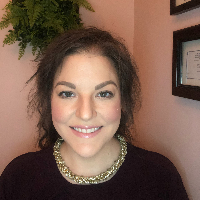
About Annie
Dr. Annie Phillips greets people with a steady, practical approach. She focuses on stress, anxiety, relationships, self-esteem, life changes, ADHD, addictions, trauma, grief, and related concerns.
Annie uses clear, everyday language and aims to make sessions feel straightforward and useful for day-to-day life. She brings 15 years of experience as a Georgia psychologist, credentialed as GA Psychologist PSY003556. That history includes clinical work and psychological assessment for thinking, emotion, and behavior.
How Annie works
Assessments are explained in plain terms and used to guide treatment choices when helpful. Annie’s main style is client-centered, which means she listens first and adapts to what a person needs. She also draws on cognitive behavioral ideas and acceptance approaches to help people notice unhelpful patterns and try new ways of responding.
Dialectical skills and existential exploration are available when questions about meaning, values, or emotional regulation come up. In sessions she focuses on practical steps you can use between meetings. That might mean practicing coping skills, redesigning daily routines, or trying small behavior changes that reduce anxiety or build self-worth.
Conversations also address common relationship patterns such as communication, commitment, codependency, and setting boundaries. People who want clear explanations, measurable goals, and a respectful, nonjudgmental working style often connect well with her. She aims to help clients find realistic forward steps and regain a sense of direction during stressful times.
Annie lists 9 ways of working on the entry:
What Annie works with
The areas below are the ones Annie selected when setting up a profile. The first few are listed as the main focus; the rest are also named.
- Stress, Anxiety
- Relationship issues
- Self esteem
Also listed
- Addictions
- ADHD
- Anger management
- Career difficulties
- Codependency
- Commitment issues
- Communication problems
- Compassion fatigue
- Control issues
- Coping with life changes
- Depression
- Divorce and separation
- Family conflicts
- Family of origin issues
- Family problems
- Forgiveness
- Grief
- Guilt and shame
- Intimacy-related issues
- Isolation / loneliness
- Life purpose
- Midlife crisis
- Self-love
- Social anxiety and phobia
- Trauma and abuse
- Women's issues
- Workplace issues
- Young adult issues
Training and background
| Register | GA Psychologist |
|---|---|
| Years in practice | 15 |
| Languages | English |
| Session format | Online: video, phone, live chat or messaging |
| Country | Georgia |
Memberships and registers are shown as supplied; they are not licences, and this directory does not verify them.
Online support options
Approaches for Online Care and Practical Skill-Building
Dr. Phillips often uses Acceptance and Commitment Therapy, which helps people notice painful thoughts and choose actions that match their values despite discomfort. ACT can be useful for anxiety, life transitions, and finding direction. She also draws on Cognitive Behavioral Therapy to identify and change unhelpful thinking and behavior patterns; CBT is practical and works well for anxiety, depression, and stress management. Client-centered therapy guides the overall pace by focusing on listening, empathy, and adapting methods to each person’s needs.Finding the right approach is part of the work together. The therapist will talk with each person about goals, preferences, and how they respond to different strategies. That collaborative process helps decide whether to emphasize ACT, CBT, DBT skills, or a client-centered pace in online sessions.
Online therapy offers flexibility through video calls, phone sessions, live chat, or text-based messaging. Video works well for deeper conversations and exercises that benefit from face-to-face interaction. Phone sessions can be a good fit when bandwidth is limited or a quieter voice-only check-in is needed. Chat and messaging allow for brief check-ins, written practice between sessions, and support when scheduling or travel make synchronous meetings harder.
Start online instead of waiting
Our partner service asks a few questions about what you are looking for and matches you with a therapist for sessions from home.
Book with AnnieWe will earn a commission if you sign up through our link, at no cost to you.
Common questions
What issues does she help people with?
What is her therapeutic style like?
How much experience does she have?
What are her credentials and where does she practice?
Can I work with her if I live outside the United States?
Which session formats are available?
How are fees handled?
What should I do to get started?
A practical next step
Write down two things you would want to be different in six months. That is the most useful thing to bring to a first session, whoever it is with. If you would rather start now than keep reading, online sessions are the quickest route.
We will earn a commission if you sign up through our link, at no cost to you. Entries are not assessed or endorsed by this directory.
Other entries for stress, anxiety
Supportive LCSW helping people build strength and clarity
Practical, trauma-aware therapy for everyday life
Practical, relational therapy for life transitions