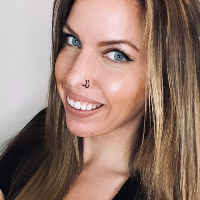
About Brittany
Brittany Snyder uses several relational and evidence-informed approaches to guide her work. She prioritizes clear, practical steps in sessions while staying warm and down-to-earth. Brittany is an LMHC - Licensed Mental Health Counselor practicing in Indiana with 13 years of experience.
She speaks English and focuses on helping people facing stress, anxiety, trauma, grief, low self-esteem, depression, and addictions. She also supports people coping with relationship and intimacy issues, parenting strain, workplace stress, and the challenges of life transitions.
How Brittany works
Additional focus areas include attachment concerns, caregiver stress, separation and divorce, guilt and shame, loneliness, post-traumatic stress, pregnancy and childbirth issues, social anxiety, and women's issues. Her background includes work in college settings and with adults across a range of life stages. Brittany blends attachment-based ideas, cognitive behavioral techniques, emotionally-focused methods, EMDR, and mindfulness in ways that fit each person.
Sessions mix practical skills with chances to make sense of patterns and feelings. She often helps clients identify small behavioral changes that reduce stress and improve daily functioning. She describes her style as collaborative but directive when needed - offering guidance alongside support.
Building on strengths and developing insight are central goals. Over time this approach is meant to help people feel more in charge of thoughts, reactions, and relationships. To begin, a person completes a short matching questionnaire and schedules sessions according to the therapist's availability.
Brittany works through online formats that include video, phone, live chat, and text-based messaging.
Brittany lists 7 ways of working on the entry:
What Brittany works with
The areas below are the ones Brittany selected when setting up a profile. The first few are listed as the main focus; the rest are also named.
Also listed
- Addictions
- ADHD
- Anger management
- Attachment issues
- Career difficulties
- Caregiver issues and stress
- Compassion fatigue
- Coping with life changes
- Depression
- Divorce and separation
- Eating disorders
- Family conflicts
- Guilt and shame
- Intimacy-related issues
- Isolation / loneliness
- LGBT
- Parenting issues
- Post-traumatic stress
- Pregnancy and childbirth
- Relationship issues
- Self esteem
- Social anxiety and phobia
- Women's issues
- Workplace issues
Training and background
| Register | LMHC |
|---|---|
| Years in practice | 13 |
| Languages | English |
| Session format | Online: video, phone, live chat or messaging |
| Country | Indiana |
Memberships and registers are shown as supplied; they are not licences, and this directory does not verify them.
Online support options
How attachment, CBT, and EMDR translate to online care
Brittany uses attachment-based ideas to help people notice how early relationships shape current reactions and closeness. This approach looks at patterns in feeling and connection and can help with relationship strain and attachment issues.Cognitive Behavioral Therapy (CBT) focuses on identifying unhelpful thoughts and testing them through small behavior changes. CBT is practical and often helps with anxiety, depression, and stress by teaching tools people can use between sessions.
Eye Movement Desensitization and Reprocessing (EMDR) is a structured method that works with traumatic memories and the sensations that stay with them. It can be helpful for post-traumatic stress and lingering effects of abuse when used as part of a broader treatment plan.
Finding the right approach is part of the work together. The therapist will collaborate with each person to choose and adapt methods based on needs, goals, and comfort level. That means trying methods, checking how they feel, and shifting focus as progress unfolds.
Online therapy offers flexibility and different ways to connect. Video calls allow face-to-face conversation and visual cues, phone sessions can fit a busy schedule or lower bandwidth situations, and live chat or text messaging can be useful for brief check-ins or people who prefer written communication. These options make it easier to schedule sessions around work, school, or caregiving demands while maintaining a steady course of care.
Start online instead of waiting
Our partner service asks a few questions about what you are looking for and matches you with a therapist for sessions from home.
Book with BrittanyWe will earn a commission if you sign up through our link, at no cost to you.
Common questions
What kinds of concerns does Brittany work with?
How would you describe her therapy style?
What is her professional background?
Where is Brittany licensed and practicing?
Which languages are sessions offered in?
What session formats are available?
How much do sessions cost?
How do I get started with therapy?
A practical next step
Write down two things you would want to be different in six months. That is the most useful thing to bring to a first session, whoever it is with. If you would rather start now than keep reading, online sessions are the quickest route.
We will earn a commission if you sign up through our link, at no cost to you. Entries are not assessed or endorsed by this directory.
Other entries for stress, anxiety
Supportive LCSW helping people build strength and clarity
Practical, trauma-aware therapy for everyday life
Practical, relational therapy for life transitions