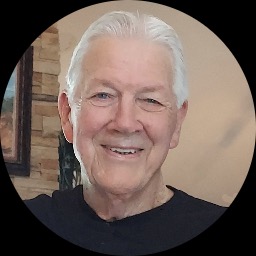
About Burton
Burton "Burt" Swaim is a licensed clinical social worker with five decades of experience helping people navigate stress, anxiety, depression, addiction, and life transitions. He meets people where they are and focuses on practical steps to restore confidence and forward momentum. Burt aims to create a nonjudgmental space where thoughts, feelings, and behaviors can be discussed openly.
He emphasizes goal-setting and active participation in therapy. Sessions often focus on building motivation, improving self-esteem, and addressing intimacy or relationship concerns.
How Burton works
He brings particular experience with grief, trauma, anger, and process addictions such as gambling or compulsive sexual behavior. Burt blends client-centered work with cognitive behavioral tools to identify unhelpful patterns and try different ways of thinking and acting. He also draws on existential perspectives to help people find meaning and face difficult choices.
This mix is applied in clear, down-to-earth terms rather than abstract theory. Across his career he has also focused on aging and geriatric issues, hospice and end-of-life counseling, infidelity, and veteran and armed forces issues. He has produced documentary films and taught on alcohol studies, contributing to public education about recovery and reducing stigma around addiction.
He is licensed in California and Utah as an LCSW and practices from Utah. Burt aims to support steady progress through collaboration, encouragement, and practical strategies tailored to each person's goals.
Burton lists 3 ways of working on the entry:
What Burton works with
The areas below are the ones Burton selected when setting up a profile. The first few are listed as the main focus; the rest are also named.
Also listed
Training and background
| Register | LCSW |
|---|---|
| Years in practice | 50 |
| Languages | English |
| Session format | Online: video, phone, live chat or messaging |
| Country | Utah |
Memberships and registers are shown as supplied; they are not licences, and this directory does not verify them.
Online support options
How his approaches translate to online therapy
Client-Centered Therapy is about listening carefully and following the client's pace. It emphasizes understanding each person's experience and building a trusting working relationship, which can help with anxiety, low self-esteem, and relationship questions.Cognitive Behavioral Therapy, or CBT, focuses on identifying unhelpful thoughts and testing different actions. It is useful for anxiety, depression, stress management, and many forms of addictive behavior because it targets specific patterns that maintain problems.
Existential Therapy looks at meaning, choice, and responsibility. It can help when people face major life changes, grief, or questions about purpose and direction.
Deciding which approach to use is a team effort. The therapist will work with clients to choose methods that match their goals, preferences, and real-life constraints. That collaborative process may combine listening, practical skill-building, and reflection to create a plan that feels right.
Online sessions offer flexibility for people with busy schedules or limited local options. Video calls enable face-to-face conversation, phone sessions work well when bandwidth is low or for a shorter check-in, and live chat or text-based messaging can fit into a hectic day or provide brief ongoing support. These formats make it easier to keep therapy consistent while fitting sessions into everyday life.
Start online instead of waiting
Our partner service asks a few questions about what you are looking for and matches you with a therapist for sessions from home.
Book with BurtonWe will earn a commission if you sign up through our link, at no cost to you.
Common questions
What kinds of problems does he help with?
What is his general therapy style?
How long has he practiced?
What credentials and where is he licensed?
Which languages are available for sessions?
Can international clients work with him?
What session formats does he offer?
How is cost and getting started handled?
A practical next step
Write down two things you would want to be different in six months. That is the most useful thing to bring to a first session, whoever it is with. If you would rather start now than keep reading, online sessions are the quickest route.
We will earn a commission if you sign up through our link, at no cost to you. Entries are not assessed or endorsed by this directory.
Other entries for stress, anxiety
Supportive LCSW helping people build strength and clarity
Practical, trauma-aware therapy for everyday life
Practical, relational therapy for life transitions