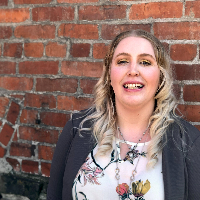
About Debra
Debra Hutchison is a licensed mental health clinician in Washington with eight years of experience. She focuses on trauma and abuse, anxiety, stress, sleeping problems, parenting concerns, grief, anger, self-esteem, bipolar symptoms, ADHD, and coping with life changes.
She also addresses adoption and foster care issues, caregiving stress, communication problems, dissociation, mood disorders, and concerns related to BDSM, kink, and alternative sex culture. Her approach blends practical skills with careful listening.
How Debra works
She uses Attachment-Based Therapy and Cognitive Behavioral Therapy (CBT) to help people understand patterns and try new ways of responding. Sessions aim to make small, manageable changes that add up over time. Debra keeps sessions focused and clear.
She offers suggestions, reflections, and specific strategies to handle stress, regulate mood, and improve sleep. She also works on communication skills and problem-solving for parenting and family frustration. Clients can expect straightforward conversation and concrete tools.
Therapy may include thought records, behavior experiments, and exploring how relationships shape feelings and reactions. The work balances understanding past experiences with practicing new skills for today. She provides care in English and offers video calls, phone sessions, live chat, and text-based messaging.
Services are provided through a subscription model that can be canceled at any time. To begin, people complete a short matching questionnaire and schedule according to therapist availability.
Debra lists 2 ways of working on the entry:
What Debra works with
The areas below are the ones Debra selected when setting up a profile. The first few are listed as the main focus; the rest are also named.
- Trauma and abuse
- Sleeping disorders
- Parenting issues
Also listed
- ADHD
- Adoption and foster care
- Anger management
- BDSM, kink, and alternative sex culture
- Bipolar disorder
- Caregiver issues and stress
- Communication problems
- Coping with life changes
- Disruptive Mood Dysregulation Disorder (DMDD)
- Dissociation
- Family conflicts
- Grief
- Mood disorders
- Self esteem
- Stress, Anxiety
Training and background
| Register | LMHC |
|---|---|
| Years in practice | 8 |
| Languages | English |
| Session format | Online: video, phone, live chat or messaging |
| Country | Washington |
Memberships and registers are shown as supplied; they are not licences, and this directory does not verify them.
Online support options
How attachment and CBT work online
Attachment-Based Therapy looks at how relationships shape feelings and behavior. Online sessions use conversation to identify patterns from close relationships and practice new ways of relating that reduce stress and improve trust. Cognitive Behavioral Therapy (CBT) focuses on the link between thoughts, feelings, and actions. In remote sessions clients learn simple exercises such as tracking thoughts, testing beliefs, and trying small behavior changes to reduce anxiety, improve sleep, or manage mood.Choosing the right approach is a collaborative process. The therapist will discuss goals, preferences, and life demands and recommend a mix of methods that fit. Together they try techniques, check how they feel, and adjust the plan so it matches what helps in day-to-day life.
Online formats offer practical flexibility. Video calls let people work face to face from different locations. Phone sessions can be easier when bandwidth is limited or when someone prefers not to be on camera. Live chat and text-based messaging are useful for quick check-ins, short coaching, or when breaking work into small steps between sessions. These options make it easier to fit therapy into busy schedules and to continue work after big life changes.
Start online instead of waiting
Our partner service asks a few questions about what you are looking for and matches you with a therapist for sessions from home.
Explore online therapy optionsWe will earn a commission if you sign up through our link, at no cost to you.
Common questions
What concerns does Debra commonly address?
How would you describe her therapy style?
What is her background and experience?
What credentials and location are listed?
Which languages are supported and can she see international clients?
What session formats are available?
How does billing and cost work?
How do I get started with her services?
A practical next step
Write down two things you would want to be different in six months. That is the most useful thing to bring to a first session, whoever it is with. If you would rather start now than keep reading, online sessions are the quickest route.
We will earn a commission if you sign up through our link, at no cost to you. Entries are not assessed or endorsed by this directory.
Other entries for trauma and abuse
Supportive LCSW helping people build strength and clarity
Practical, trauma-aware therapy for everyday life
Practical, empathetic therapy for life transitions