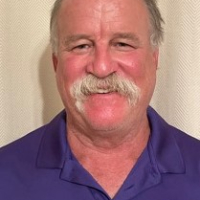
About David
David Jedrziewski is a licensed marriage and family therapist (LMFT) and a licensed mental health counselor (LMHC) based in Florida. He draws on a warm, interactive counseling style and aims to build a strong connection with each person he meets. He emphasizes respect, sensitivity, and compassion while avoiding stigmatizing labels.
David frames therapy as a partnership where people are invited to discover strengths and make practical changes. With seven years holding these licenses, David mixes client-centered care with other methods as needed.
How David works
He uses techniques from cognitive behavioral therapy and dialectical behavior therapy when they match a person’s goals. He also brings attachment-based and emotionally focused ideas into sessions to address connection and relationship patterns. David has long experience in grief, loss, and trauma work and notes extensive work related to PTSD, acute stress, and suicide prevention.
His background includes work alongside military and personal individuals with trauma-related concerns. He emphasizes tailored planning so treatment fits the specific needs presented in sessions. In practical terms he focuses on everyday problems like anxiety, depression, sleep difficulties, anger, and stress.
He also addresses identity and intimacy-related concerns, parenting strains, caregiver stress, career challenges, and body image or self-esteem issues. His approach is goal-minded while staying person-focused. Sessions are offered in English and are available through multiple online formats.
David describes therapy as a hopeful step and offers support to help people move toward clearer decisions and better day-to-day coping.
David lists 9 ways of working on the entry:
What David works with
The areas below are the ones David selected when setting up a profile. The first few are listed as the main focus; the rest are also named.
- LGBT
- Family conflicts
- Trauma and abuse
Also listed
- Abandonment
- ADHD
- Anger management
- Blended family issues
- Body image
- Career difficulties
- Caregiver issues and stress
- Co-morbidity
- Coaching
- Commitment issues
- Communication problems
- Compassion fatigue
- Coping with life changes
- Coping with natural or human-caused disaster
- Depression
- Divorce and separation
- Domestic violence
- Family of origin issues
- First responder issues
- Forgiveness
- Gender dysphoria
- Grief
- Guilt and shame
- Hospice and end-of-life counseling
- Infidelity
- Intimacy-related issues
- Isolation / loneliness
- Life purpose
- Mood disorders
- Panic disorder and panic attacks
- Parenting issues
- Personality disorders
- Polyamory / non-monogamous relationships
- Post-traumatic stress
- Prejudice and discrimination
- Process addiction (porn, exercise, gambling)
- Relationship issues
- Self esteem
- Self-harm
- Self-love
- Sex addiction
- Sexual assault and abuse
- Sexuality
- Sleeping disorders
- Stress, Anxiety
- Traumatic brain injury
- Veteran and Armed Forces Issues
Training and background
| Registers | LMFT, LMHC |
|---|---|
| Years in practice | 7 |
| Languages | English |
| Session format | Online: video, phone, live chat or messaging |
| Country | Florida |
Memberships and registers are shown as supplied; they are not licences, and this directory does not verify them.
Online support options
How therapeutic approaches fit into online care
David practices client-centered therapy, which centers on listening and responding to a person’s concerns with warmth and respect. This approach helps people feel understood and sets the stage for setting goals and making changes. Cognitive behavioral therapy, or CBT, focuses on identifying unhelpful thinking and changing behaviors to reduce symptoms like anxiety and low mood. It is practical and often used for issues such as sleep problems, depression, and stress.Finding the right approach is part of the work together. David treats the choice of method as collaborative and adjusts techniques based on each person’s goals, history, and preferences. Sessions can mix ideas so the plan fits the problem rather than forcing one single model.
Online therapy is offered via video calls, phone sessions, live chat, and text-based messaging to make it possible to meet in different ways. Video is useful for in-depth conversation and visual cues, phone sessions are helpful when bandwidth is limited or a shorter check-in is needed, and messaging or live chat can fit brief updates and flexible scheduling. These options make it easier to fit therapy around work, caregiving, or travel while keeping the same licensed professional guiding treatment.
Start online instead of waiting
Our partner service asks a few questions about what you are looking for and matches you with a therapist for sessions from home.
Book with DavidWe will earn a commission if you sign up through our link, at no cost to you.
Common questions
What kinds of problems does he help with?
What is his therapeutic style like?
How much experience does he have?
What are his credentials and where is he located?
Which languages and international options are supported?
What session formats are available?
How are sessions paid for?
How do I begin working with him?
A practical next step
Write down two things you would want to be different in six months. That is the most useful thing to bring to a first session, whoever it is with. If you would rather start now than keep reading, online sessions are the quickest route.
We will earn a commission if you sign up through our link, at no cost to you. Entries are not assessed or endorsed by this directory.
Other entries for lgbt
Supportive LCSW helping people build strength and clarity
Practical, trauma-aware therapy for everyday life
Practical, empathetic therapy for life transitions