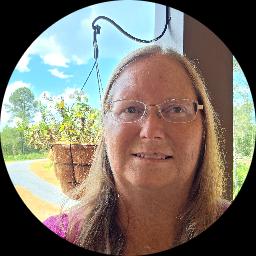
About Deborah
Deborah "Debbie" Stafford helps people who are feeling overwhelmed by stress, anxiety, depression, trauma, or anger. She is a licensed mental health counselor with 22 years of experience and speaks English. Debbie aims to make the first step easier for someone who is nervous about starting therapy.
She works in a respectful and compassionate way. Sessions are tailored to the person in front of her, with conversation and a plan adjusted to each person’s needs.
How Deborah works
The focus is practical - learning how to manage strong feelings, reduce worry, and rebuild confidence. Debbie has long experience supporting people after traumatic events and with the effects of abuse. She also helps people who struggle with guilt, shame, isolation, and post-traumatic stress.
Her work includes building communication skills and handling anger in healthier ways. Over more than two decades she has developed straightforward methods for reducing symptoms and improving daily functioning. She listens for what matters most and helps set achievable steps forward.
Progress often looks like clearer thinking, fewer overwhelming moments, and greater self-trust. Therapy with Debbie can take place online by video, phone, live chat, or text messaging. To begin, a person selects the Start Therapy button, completes a short matching questionnaire, and schedules sessions according to therapist availability.
What Deborah works with
The areas below are the ones Deborah selected when setting up a profile. The first few are listed as the main focus; the rest are also named.
- Stress, Anxiety
- Trauma and abuse
- Anger management
Also listed
Training and background
| Register | LMHC |
|---|---|
| Years in practice | 22 |
| Languages | English |
| Session format | Online: video, phone, live chat or messaging |
| Country | Florida |
Memberships and registers are shown as supplied; they are not licences, and this directory does not verify them.
Online support options
Approaches that guide online work and practical support
Debbie uses evidence-based therapeutic techniques that focus on symptom relief and coping skill building. One common approach is problem-focused work that breaks down overwhelming issues into small steps and teaches practical tools for managing anxiety and anger. This type of work helps people get through difficult moments and regain a sense of control.She also draws on trauma-informed strategies to help people process difficult memories and reduce post-traumatic stress symptoms. Those methods move at the person’s pace and emphasize safety, emotional regulation, and gradual exposure to feared memories or situations when it feels right.
Finding the best approach is a collaborative process. The therapist listens to goals and preferences, explains options in plain language, and adjusts techniques as progress is made. Together they choose methods that fit the person’s needs rather than following a fixed plan.
Online therapy offers flexibility for busy schedules and differing comfort levels. Video calls allow face-to-face conversation and visual cues. Phone sessions can be easier when bandwidth or camera use is limited. Live chat and text messaging offer shorter check-ins, ongoing support between sessions, and a way to communicate without a formal appointment. These options let people fit therapy into work, school, or family routines and keep momentum between meetings.
Start online instead of waiting
Our partner service asks a few questions about what you are looking for and matches you with a therapist for sessions from home.
Book with DeborahWe will earn a commission if you sign up through our link, at no cost to you.
Common questions
What concerns does she commonly address?
What is her general approach to therapy?
How much clinical experience does she have?
What are her credentials and where does she practice?
Which languages are sessions offered in?
Can people outside the United States work with her?
What session formats does she use?
How does billing and getting started work?
A practical next step
Write down two things you would want to be different in six months. That is the most useful thing to bring to a first session, whoever it is with. If you would rather start now than keep reading, online sessions are the quickest route.
We will earn a commission if you sign up through our link, at no cost to you. Entries are not assessed or endorsed by this directory.
Other entries for stress, anxiety
Supportive LCSW helping people build strength and clarity
Practical, trauma-aware therapy for everyday life
Practical, relational therapy for life transitions