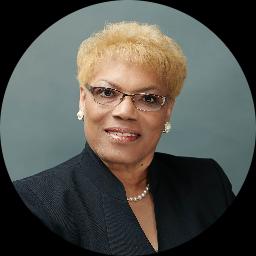
About Deborah
Dr. Deborah Mosley-Heath helps people facing stress, anxiety, depression, trauma, and relationship strain. She works with concerns like grief, parenting stress, intimacy issues, anger, self-esteem, and ADHD.
Her approach is grounded and practical, aimed at finding clearer ways forward. She uses Cognitive Behavioral Therapy to identify unhelpful thinking and change patterns that keep problems going. She also draws on psychodynamic ideas to look at patterns that repeat over time and where they might come from.
How Deborah works
Sessions are conversational and focused on what matters most to each person. Dr. Mosley-Heath holds an MD and is licensed as an LCPC and LPC.
She brings 25 years of clinical work in the Maryland area to her practice. That experience includes supporting people through life changes, panic attacks, post-traumatic stress, and caregiver strain. In sessions she aims to be respectful and compassionate while keeping goals in view.
She works with people on communication problems, forgiveness, guilt, and finding life purpose. Practical skills are paired with reflection about deeper patterns when that helps progress. Therapy is tailored to each person’s needs and pace.
Some people focus on short-term strategies for symptoms. Others spend more time understanding long-standing patterns. Either way, the goal is clearer choices, less overwhelm, and more self-compassion.
Deborah lists 2 ways of working on the entry:
What Deborah works with
The areas below are the ones Deborah selected when setting up a profile. The first few are listed as the main focus; the rest are also named.
- Stress, Anxiety
- Relationship issues
- Family conflicts
Also listed
- ADHD
- Anger management
- Bipolar disorder
- Caregiver issues and stress
- Communication problems
- Compassion fatigue
- Coping with life changes
- Depression
- Forgiveness
- Grief
- Guilt and shame
- Intimacy-related issues
- LGBT
- Life purpose
- Midlife crisis
- Panic disorder and panic attacks
- Parenting issues
- Post-traumatic stress
- Pregnancy and childbirth
- Self esteem
- Self-love
- Trauma and abuse
- Women's issues
Training and background
| Registers | MD, LCPC, LPC |
|---|---|
| Years in practice | 25 |
| Languages | English |
| Session format | Online: video, phone, live chat or messaging |
| Country | Maryland |
Memberships and registers are shown as supplied; they are not licences, and this directory does not verify them.
Online support options
How her approaches translate to online therapy
Dr. Mosley-Heath uses Cognitive Behavioral Therapy to help people notice unhelpful thoughts and change behaviors that keep symptoms going. CBT sessions often include practical tools and exercises people can try between meetings to reduce anxiety, manage panic, or improve mood.She also uses Psychodynamic Therapy to look at recurring relationship patterns and past experiences that shape current reactions. This approach helps when someone wants to understand why certain problems keep coming up and how early patterns affect present choices.
Finding the right approach is part of the work together. The therapist will discuss goals, preferences, and what feels most useful, and then tailor a plan that blends short-term skills with deeper exploration when appropriate. Clients are invited to give feedback so the approach can shift as needed.
Online sessions are offered by video calls, phone sessions, live chat, or text-based messaging to increase flexibility. Video works well for in-depth conversation and exercises that benefit from visual cues. Phone sessions can be easier when bandwidth is limited or for a quick check-in. Live chat or text messaging can fit brief updates, shorter check-ins, or people who prefer writing over speaking. These options make scheduling easier and help therapy fit into busy lives.
Start online instead of waiting
Our partner service asks a few questions about what you are looking for and matches you with a therapist for sessions from home.
Book with DeborahWe will earn a commission if you sign up through our link, at no cost to you.
Common questions
What kinds of concerns does she address?
How would you describe her therapeutic style?
What is her professional background?
What credentials and region are listed?
Which languages are supported for sessions?
What session formats are available?
How do fees and billing work?
How does someone begin therapy with her?
A practical next step
Write down two things you would want to be different in six months. That is the most useful thing to bring to a first session, whoever it is with. If you would rather start now than keep reading, online sessions are the quickest route.
We will earn a commission if you sign up through our link, at no cost to you. Entries are not assessed or endorsed by this directory.
Other entries for stress, anxiety
Supportive LCSW helping people build strength and clarity
Practical, trauma-aware therapy for everyday life
Practical, relational therapy for life transitions