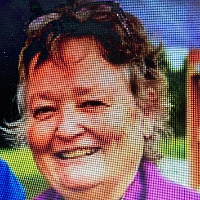
About Diana
Diana Lively is an LPC with 16 years in the mental health field who helps people face stress, anxiety, addiction, depression, relationship strain, grief, trauma, and parenting challenges. She works with issues like self-esteem, ADHD, intimacy concerns, eating and sleeping problems, and career or life transitions. Diana practices in Oklahoma and offers sessions in English.
Diana uses clear, practical methods in sessions. She draws on cognitive behavioral techniques to spot unhelpful thinking and develop new habits.
How Diana works
She also uses acceptance and commitment ideas to help people live in line with their values when life feels overwhelming. Her background includes years working in community mental health and programs that address co-occurring disorders. That work involved group education, relapse prevention, and collaborating with legal and rehabilitation services.
Diana has led outpatient recovery and prevention groups and runs psychoeducation sessions about substance use and family dynamics. Diana emphasizes a holistic wellness approach and incorporates mindfulness and coping skills into care. She helps people and their families learn communication skills, set boundaries, and rebuild trust.
Her sessions often include practical tools for managing cravings, mood swings, and daily stressors. The process begins with a short matching questionnaire and scheduling. Sessions are offered by video call, phone, live chat, or text messaging to fit different needs.
Diana aims to meet people where they are and support steady, manageable change over time.
Diana lists 14 ways of working on the entry:
- Acceptance and Commitment Therapy (ACT)
- Attachment-Based Therapy
- Client-Centered Therapy
- Cognitive Behavioral Therapy (CBT)
- Dialectical Behavior Therapy (DBT)
- Existential Therapy
- Jungian Therapy
- Mindfulness Therapy
- Motivational Interviewing
- Narrative Therapy
- Solution-Focused Therapy
- Somatic Therapy
- Trauma-Focused Therapy
- Internal Family Systems
What Diana works with
The areas below are the ones Diana selected when setting up a profile. The first few are listed as the main focus; the rest are also named.
- Stress, Anxiety
- Addictions
- Relationship issues
Also listed
- ADHD
- Aging and geriatric issues
- Anger management
- Bipolar disorder
- Career difficulties
- Caregiver issues and stress
- Coaching
- Codependency
- Communication problems
- Compassion fatigue
- Coping with life changes
- Depression
- Drug and alcohol addiction
- Eating disorders
- Family conflicts
- Family problems
- Grief
- Guilt and shame
- Intimacy-related issues
- Isolation / loneliness
- LGBT
- Life purpose
- Obsessions, compulsions, and OCD
- Parenting issues
- Seasonal Affective Disorder (SAD)
- Self esteem
- Self-love
- Sleeping disorders
- Smoking / vaping cessation
- Social anxiety and phobia
- Somatization
- Trauma and abuse
Training and background
| Register | LPC |
|---|---|
| Years in practice | 16 |
| Languages | English |
| Session format | Online: video, phone, live chat or messaging |
| Country | Oklahoma |
Memberships and registers are shown as supplied; they are not licences, and this directory does not verify them.
Online support options
Therapeutic approaches you can use online
Diana commonly uses cognitive behavioral therapy and acceptance and commitment therapy in her work. Cognitive behavioral therapy focuses on identifying unhelpful thoughts and changing behaviors that keep problems going, which can help with anxiety, depression, and coping skills. Acceptance and commitment therapy helps people notice difficult thoughts and feelings while clarifying personal values and taking meaningful steps despite discomfort.Finding the right approach is part of the process. Diana works collaboratively to decide which methods fit a person's needs, goals, and preferences. She adapts techniques over time so the plan stays useful as situations change.
Online sessions are offered by video calls, phone, live chat, and text-based messaging to increase flexibility. Video lets you work face to face from another location, phone can be easier when bandwidth is limited, live chat supports shorter check-ins, and messaging suits people who prefer written reflection. These options make it simpler to keep regular appointments and use therapy tools between sessions.
Start online instead of waiting
Our partner service asks a few questions about what you are looking for and matches you with a therapist for sessions from home.
Book with DianaWe will earn a commission if you sign up through our link, at no cost to you.
Common questions
What concerns does Diana commonly address?
What is her approach in sessions?
How long has she practiced in mental health?
Where is Diana licensed and based?
Which languages are sessions offered in?
What session formats does she provide?
How are fees and billing handled?
How do I begin working with her?
A practical next step
Write down two things you would want to be different in six months. That is the most useful thing to bring to a first session, whoever it is with. If you would rather start now than keep reading, online sessions are the quickest route.
We will earn a commission if you sign up through our link, at no cost to you. Entries are not assessed or endorsed by this directory.
Other entries for stress, anxiety
Supportive LCSW helping people build strength and clarity
Practical, trauma-aware therapy for everyday life
Practical, relational therapy for life transitions