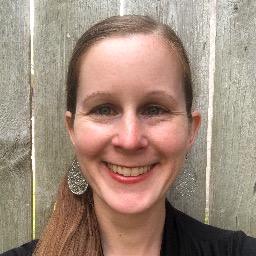
About Elizabeth
Elizabeth Frietsch uses trauma-informed methods alongside solution-focused and cognitive approaches to help people find practical steps forward. She is a Licensed Professional Counselor (LPC) based in Texas and brings four years of counseling experience to her work. Elizabeth writes plainly and listens closely to concerns about stress, anxiety, grief, eating, and life transitions.
She focuses on trauma and its lasting effects, including post-traumatic stress, abuse, and domestic violence. She also supports people dealing with depression, intimacy-related fears, and low self-esteem.
How Elizabeth works
Many clients seek help with parenting challenges, caregiver stress, and the strain that comes from high-demand jobs or first responder roles. Elizabeth draws on Cognitive Behavioral Therapy to help people notice and change unhelpful thoughts and behaviors. She uses Solution-Focused Therapy to set clear, achievable goals and to build small steps that lead to progress.
Trauma-Focused Therapy guides work on processing painful memories and reducing their day-to-day impact. She brings experience working with survivors of sexual assault, child abuse, and related trauma. That background informs her approach to issues such as body image, eating and food-related concerns, abandonment, and attachment worries.
Elizabeth also offers support around career stress, life purpose, and feelings of isolation. Elizabeth affirms people of all sexual orientations and spiritual backgrounds. She can talk with parents about the stresses of fostering and adoption and about parenting children who have experienced trauma.
Her style is nonjudgmental and steady, aiming to make difficult conversations manageable and to build realistic coping plans.
Elizabeth lists 3 ways of working on the entry:
What Elizabeth works with
The areas below are the ones Elizabeth selected when setting up a profile. The first few are listed as the main focus; the rest are also named.
Also listed
- Abandonment
- Adoption and foster care
- Attachment issues
- Body image
- Career difficulties
- Caregiver issues and stress
- Compassion fatigue
- Coping with life changes
- Coping with natural or human-caused disaster
- Depression
- Domestic violence
- Eating and food-related issues
- Eating disorders
- Emptiness
- First responder issues
- Forgiveness
- Guilt and shame
- Intimacy-related issues
- Isolation / loneliness
- LGBT
- Life purpose
- Parenting issues
- Post-traumatic stress
- Seasonal Affective Disorder (SAD)
- Self esteem
- Self-love
- Sexual assault and abuse
- Sexuality
- Social anxiety and phobia
- Women's issues
- Workplace issues
- Young adult issues
Training and background
| Register | LPC |
|---|---|
| Years in practice | 4 |
| Languages | English |
| Session format | Online: video, phone, live chat or messaging |
| Country | Texas |
Memberships and registers are shown as supplied; they are not licences, and this directory does not verify them.
Online support options
Using CBT, Solution-Focused, and Trauma-Focused Work Online
Elizabeth uses Cognitive Behavioral Therapy to help people spot patterns of thought that increase worry or depression and to try new behaviors that can break those patterns. This approach is useful for anxiety, low mood, body image, and eating-related concerns. Solution-Focused Therapy is short-term and goal-directed; it helps people identify small, practical steps to reach clearer goals and reduce overwhelm. Trauma-Focused Therapy supports processing painful memories and reducing their ongoing effects, which is important for post-traumatic stress, abuse recovery, and related symptoms.Finding the right approach is a collaborative process. Elizabeth will work with each person to choose techniques that match their needs, goals, and comfort level. Together they’ll set priorities, try different strategies, and adjust the plan based on what helps most.
Online therapy offers flexible ways to connect, including video calls, phone sessions, live chat, and text-based messaging. Video is useful for face-to-face conversations and interactive work, phone sessions can fit into a short break or require less bandwidth, and chat or messaging can support quick check-ins or ongoing reflection between sessions. These options make it easier to schedule appointments around life demands and to continue work consistently over time.
Start online instead of waiting
Our partner service asks a few questions about what you are looking for and matches you with a therapist for sessions from home.
Book with ElizabethWe will earn a commission if you sign up through our link, at no cost to you.
Common questions
What concerns does Elizabeth commonly address?
What is her therapeutic style like?
What kind of experience does she have?
Where is she licensed and based?
Which languages are available for sessions?
Can people outside the U.S. work with her?
What session formats are offered?
How are fees and starting therapy handled?
A practical next step
Write down two things you would want to be different in six months. That is the most useful thing to bring to a first session, whoever it is with. If you would rather start now than keep reading, online sessions are the quickest route.
We will earn a commission if you sign up through our link, at no cost to you. Entries are not assessed or endorsed by this directory.
Other entries for stress, anxiety
Supportive LCSW helping people build strength and clarity
Practical, trauma-aware therapy for everyday life
Practical, relational therapy for life transitions