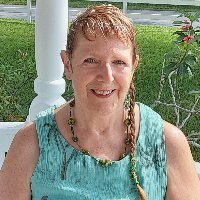
About Ellen
Rev. Ellen Schipul is a Licensed Professional Counselor (LPC) based in Pennsylvania with 18 years of clinical experience. She brings a spiritual perspective alongside practical therapy methods to help people manage stress, anxiety, grief, depression, ADHD, and trauma.
Her approach is grounded in listening closely and helping clients voice what matters most to them. She uses client-centered work to build a trusting relationship and cognitive behavioral methods to address unhelpful thinking and behavior patterns.
How Ellen works
Mindfulness and somatic techniques help people notice how the body and mind react to stress and to learn calmer ways of responding. Solution-focused strategies are used to identify clear goals and small steps toward change. Her background includes pastoral counseling and years of study in a variety of spiritual traditions, so she can incorporate a person's spiritual beliefs into sessions when desired.
Ellen frames therapy as a collaboration where people keep control of their story and choices. She aims to make room for practical tools alongside deeper reflection. Common concerns addressed include coping with life changes, relationship and family issues, parenting strains, caregiver stress, codependency, abandonment, attachment issues, and fertility or aging challenges.
She also supports people dealing with bipolar disorder, compassion fatigue, dissociation, and forgiveness work. Sessions focus on small, doable changes and skills that fit daily life. Conversations are straightforward and paced to each person's needs, with attention to thoughts, body responses, and spiritual meaning when relevant.
Ellen lists 7 ways of working on the entry:
What Ellen works with
The areas below are the ones Ellen selected when setting up a profile. The first few are listed as the main focus; the rest are also named.
Also listed
- Abandonment
- ADHD
- Aging and geriatric issues
- Attachment issues
- Bipolar disorder
- Blended family issues
- Caregiver issues and stress
- Codependency
- Commitment issues
- Compassion fatigue
- Control issues
- Coping with life changes
- Dependent personality
- Depression
- Dissociation
- Divorce and separation
- Family conflicts
- Family of origin issues
- Family problems
- Fertility issues
- Forgiveness
- Guilt and shame
- Hospice and end-of-life counseling
- Impulsivity
- Life purpose
- Midlife crisis
- Narcissism
- Obsessions, compulsions, and OCD
- Panic disorder and panic attacks
- Parenting issues
- Phobias
- Polyamory / non-monogamous relationships
- Post-traumatic stress
- Postpartum depression
- Relationship issues
- Seasonal Affective Disorder (SAD)
- Self esteem
- Self-love
- Sexual assault and abuse
- Social anxiety and phobia
- Trichotillomania
Training and background
| Register | LPC |
|---|---|
| Years in practice | 18 |
| Languages | English |
| Session format | Online: video, phone, live chat or messaging |
| Country | Pennsylvania |
Memberships and registers are shown as supplied; they are not licences, and this directory does not verify them.
Online support options
Approaches for online healing and practical change
Client-centered therapy focuses on the therapeutic relationship and clear listening. The therapist follows a person's lead, reflects what she hears, and helps name concerns so goals become clearer. This approach supports people who need a steady, nonjudgmental space to work through emotions.Cognitive behavioral therapy, or CBT, looks at the links between thoughts, feelings, and actions. It teaches concrete strategies to challenge unhelpful thoughts and change small behaviors. This method is useful for anxiety, depression, and managing symptoms of ADHD and bipolar disorder when combined with other supports.
Mindfulness work trains simple attention skills to notice thoughts and body sensations without getting swept away. It can reduce reactivity and help with stress, trauma responses, and compassion fatigue by building moments of calm into daily life.
Finding the right approach is part of the therapy process. The therapist will collaborate with each person to choose methods that match their goals, needs, and preferences. Plans are adjusted over time so work stays practical and relevant.
Online sessions are offered by licensed professionals using video calls, phone sessions, live chat, and text-based messaging. Video suits longer work and direct conversation, phone can fit a shorter check-in or less bandwidth, and chat or text works for quick updates and ongoing support between sessions. These options give flexibility to fit therapy around work, caregiving, and other commitments.
Start online instead of waiting
Our partner service asks a few questions about what you are looking for and matches you with a therapist for sessions from home.
Book with EllenWe will earn a commission if you sign up through our link, at no cost to you.
Common questions
What concerns does this therapist commonly address?
What is her therapeutic style like?
How long has she practiced counseling?
Where is she licensed and located?
Can people who live outside the United States work with her?
What session formats are offered?
How are sessions billed or paid for?
What do I need to do to begin therapy?
A practical next step
Write down two things you would want to be different in six months. That is the most useful thing to bring to a first session, whoever it is with. If you would rather start now than keep reading, online sessions are the quickest route.
We will earn a commission if you sign up through our link, at no cost to you. Entries are not assessed or endorsed by this directory.
Other entries for stress, anxiety
Supportive LCSW helping people build strength and clarity
Practical, trauma-aware therapy for everyday life
Practical, relational therapy for life transitions