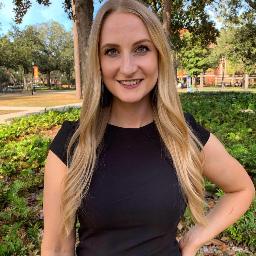
About Laura
Laura Westbrook is a licensed professional counselor (LPC) with seven years of clinical experience. She combines a person-centered way of working with practical tools to help people manage stress, anxiety, depression, addictions, and relationship concerns. Laura aims to build a warm, accepting space where clients feel heard and respected.
Her main approach puts the client’s experience first. She listens closely and uses that understanding to guide the work together. Sessions can include conversation, humor, and creative resources like books, music, or media to make ideas feel useful in everyday life.
How Laura works
Laura has a background in nonprofit settings where she focused on addictions and trauma. That work included supporting people affected by substance use and those coping with the effects of violence and abuse. She also has experience with clients who identify as LGBTQ and with people living with HIV and chronic health concerns.
She uses several therapeutic styles to match what a person needs. Attachment-based ideas help people look at patterns in relationships. Mindfulness practices support stress and emotional regulation.
Motivational interviewing helps when change feels difficult or stalled. Outside of clinical work she brings a down-to-earth, relatable approach. Laura draws on life experience from growing up in California and studying in Alabama and Florida to connect across cultural differences.
She often uses lightness and everyday interests to make the process more approachable.
Laura lists 7 ways of working on the entry:
What Laura works with
The areas below are the ones Laura selected when setting up a profile. The first few are listed as the main focus; the rest are also named.
Also listed
- Abandonment
- Anger management
- Attachment issues
- Autism and Asperger Syndrome
- BDSM, kink, and alternative sex culture
- Bipolar disorder
- Chronic pain, illness, and disability
- Codependency
- Communication problems
- Coping with life changes
- Depression
- Dissociation
- Domestic violence
- Drug and alcohol addiction
- Family conflicts
- Family problems
- Fatherhood issues
- Forgiveness
- Grief
- Guilt and shame
- HIV / AIDS
- Impulsivity
- Intimacy-related issues
- Men's issues
- Personality disorders
- Polyamory / non-monogamous relationships
- Post-traumatic stress
- Process addiction (porn, exercise, gambling)
- Relationship issues
- Self esteem
- Self-harm
- Sex addiction
- Sexual assault and abuse
- Sexual dysfunction
- Sexuality
- Stress, Anxiety
- Women's issues
- Young adult issues
Training and background
| Register | LPC |
|---|---|
| Years in practice | 7 |
| Languages | English |
| Session format | Online: video, phone, live chat or messaging |
| Country | Tennessee |
Memberships and registers are shown as supplied; they are not licences, and this directory does not verify them.
Online support options
How these approaches translate to online therapy
Attachment-based work focuses on patterns in how people connect. Online sessions let clients talk through relationship history, notice recurring patterns, and practice new ways of relating with the therapist’s guidance. This can be useful for intimacy issues, abandonment concerns, and attachment-related stress.Client-centered therapy centers the person’s experience and values. In remote sessions the therapist follows the client’s lead, listens deeply, and helps shape goals that feel meaningful. This approach fits many concerns including anxiety, depression, and coping with life changes because it emphasizes what matters to the individual.
Motivational interviewing helps when someone feels stuck about making changes. In online conversations the therapist uses focused questions and reflections to clarify ambivalence and build momentum toward goals like reducing substance use or improving self-care.
Finding the right approach is part of the work. The therapist will collaborate to figure out which methods fit a person’s goals and preferences, adjusting techniques as progress is made. Clients and therapist decide together how to proceed.
Online therapy offers practical flexibility. Video calls let people work face-to-face from wherever they are. Phone sessions use less bandwidth and can be a good shorter check-in. Live chat and text messaging make it easier to share quick thoughts between sessions or when writing helps express feelings. These options help fit therapy into busy lives and different routines.
Start online instead of waiting
Our partner service asks a few questions about what you are looking for and matches you with a therapist for sessions from home.
Book with LauraWe will earn a commission if you sign up through our link, at no cost to you.
Common questions
What kinds of concerns does Laura address?
What is her therapy style like?
What experience does she bring?
Where is she licensed and located?
Which languages are supported?
Are international clients accepted?
What session formats are available?
How does cost and getting started work?
A practical next step
Write down two things you would want to be different in six months. That is the most useful thing to bring to a first session, whoever it is with. If you would rather start now than keep reading, online sessions are the quickest route.
We will earn a commission if you sign up through our link, at no cost to you. Entries are not assessed or endorsed by this directory.
Other entries for addictions
Supportive LCSW helping people build strength and clarity
Practical, relational therapy for life transitions
Practical therapy for stress and relationship strain