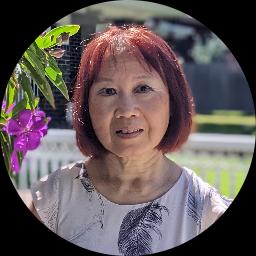
About Le
Le Hoang helps people who are feeling overwhelmed by stress, anxiety, grief or relationship problems. She supports those struggling with self-esteem, motivation and big life changes. Sessions can suit people seeking clearer life purpose or wanting to repair communication in important relationships.
Le has 25 years of professional experience in Australia and holds PACFA credentials. She works in English and Vietnamese and draws on practical, evidence-based approaches to keep conversations focused and useful.
How Le works
Le treats each person as the expert in their own life and builds on what is already working. In sessions she listens for patterns that cause pain - for example attachment wounds, abandonment fears, family of origin issues, or repeating communication breakdowns. She then helps people try different ways to respond, practise clearer communication, and notice small changes that matter.
Work may include managing caregiver stress, processing grief, or navigating separation and commitment concerns. Her approach is collaborative and down-to-earth. She aims for simple steps clients can use between meetings to manage anxiety or rebuild confidence.
Le encourages people to set realistic goals and tests changes gently so progress feels manageable. People who value practical tools and a steady, respectful listener often find her style helpful. She welcomes clients from multicultural backgrounds and can conduct sessions in Vietnamese when preferred.
What Le works with
The areas below are the ones Le selected when setting up a profile. The first few are listed as the main focus; the rest are also named.
- Stress, Anxiety
- Relationship issues
- Grief
Also listed
- Abandonment
- Attachment issues
- Blended family issues
- Caregiver issues and stress
- Commitment issues
- Communication problems
- Coping with life changes
- Divorce and separation
- Family of origin issues
- Family problems
- Fatherhood issues
- Guilt and shame
- Infidelity
- Life purpose
- Midlife crisis
- Multicultural concerns
- Self esteem
- Workplace issues
Training and background
| Register | PACFA |
|---|---|
| Years in practice | 25 |
| Languages | English, Vietnamese |
| Session format | Online: video, phone, live chat or messaging |
| Country | Australia |
Memberships and registers are shown as supplied; they are not licences, and this directory does not verify them.
Online support options
Evidence-based techniques and online access
Le uses practical, evidence-based therapeutic techniques that help people manage symptoms and try new ways of relating. One common approach focuses on identifying unhelpful thought and behaviour patterns, then testing small changes to reduce anxiety and improve mood. This helps with stress, low motivation and self-esteem by giving concrete skills to practise.Another approach addresses attachment and relationship patterns by tracking how early experiences shape reactions today. Work here looks at communication habits, commitment worries, abandonment fears and ways to build more reliable interactions with others. These methods are suited to people wanting better relationships and clearer life purpose.
Finding the right approach is part of the work together. The therapist will discuss options, listen to priorities and adapt techniques to match goals and preferences. Decisions about methods are collaborative and may shift as progress unfolds.
Online sessions are offered by video call, phone, live chat or text-based messaging to give flexibility. Video is good for in-depth conversations and visual cues, phone works when bandwidth is limited, and messaging suits brief check-ins or ongoing support between sessions. These formats help people fit therapy around work, family and other commitments while keeping focus on practical steps and steady progress.
Start online instead of waiting
Our partner service asks a few questions about what you are looking for and matches you with a therapist for sessions from home.
Explore online therapy optionsWe will earn a commission if you sign up through our link, at no cost to you.
Common questions
What kinds of concerns can I bring to therapy?
How would you describe the therapy style and approach?
How much experience does this therapist have?
What credentials and location should I know about?
Can I have sessions in another language?
Which session formats are available?
How much do sessions cost?
How do I start a course of therapy?
A practical next step
Write down two things you would want to be different in six months. That is the most useful thing to bring to a first session, whoever it is with. If you would rather start now than keep reading, online sessions are the quickest route.
We will earn a commission if you sign up through our link, at no cost to you. Entries are not assessed or endorsed by this directory.
Other entries for stress, anxiety
Supportive LCSW helping people build strength and clarity
Practical, trauma-aware therapy for everyday life
Practical, relational therapy for life transitions