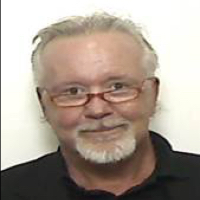
About Michael
Michael Booth is a Licensed Marriage and Family Therapist (LMFT) based in California with 25 years of clinical experience. He focuses on helping people whose daily life has been affected by depression, anxiety, addictions, anger, or a sense of emptiness. Michael works with adults who want clearer direction, steadier mood, or relief from distressing symptoms.
He begins by listening to each person’s story and identifying what matters most to them.
How Michael works
Sessions are collaborative and down-to-earth. Michael uses approaches such as Acceptance and Commitment Therapy, Cognitive Behavioral Therapy, and Dialectical Behavior Therapy to build practical skills and new ways of handling hard moments. His work often addresses issues around relationships, intimacy, family of origin concerns, and life purpose.
Michael also supports people dealing with trauma and abuse, grief, bipolar disorder, panic attacks, and process addictions like gambling or pornography. He pays attention to how attachment patterns and avoidant tendencies shape behavior and choices. Therapy with Michael typically mixes skill-building and open conversation.
He helps people notice unhelpful patterns, try small changes, and track progress over time. Sessions include concrete tools for managing stress, regulating emotion, and improving day-to-day functioning. People who benefit most tend to want practical strategies and honest talk.
Michael aims to create a calm, focused space where clients can sort out priorities, rebuild confidence, and move toward a clearer sense of purpose.
Michael lists 8 ways of working on the entry:
What Michael works with
The areas below are the ones Michael selected when setting up a profile. The first few are listed as the main focus; the rest are also named.
- Stress, Anxiety
- Addictions
- Anger management
Also listed
- ADHD
- Attachment issues
- Avoidant personality
- Bipolar disorder
- Career difficulties
- Co-morbidity
- Commitment issues
- Coping with life changes
- Depression
- Drug and alcohol addiction
- Emptiness
- Family conflicts
- Family of origin issues
- Grief
- Guilt and shame
- Infidelity
- Intimacy-related issues
- Isolation / loneliness
- LGBT
- Life purpose
- Panic disorder and panic attacks
- Paranoia
- Parenting issues
- Process addiction (porn, exercise, gambling)
- Relationship issues
- Self esteem
- Sex addiction
- Social anxiety and phobia
- Trauma and abuse
- Veteran and Armed Forces Issues
- Young adult issues
Training and background
| Register | LMFT |
|---|---|
| Years in practice | 25 |
| Languages | English |
| Session format | Online: video, phone, live chat or messaging |
| Country | California |
Memberships and registers are shown as supplied; they are not licences, and this directory does not verify them.
Online support options
Therapeutic approaches that work online
Acceptance and Commitment Therapy (ACT) helps people clarify values and take small committed steps toward what matters. It focuses on accepting difficult thoughts and feelings while acting in ways that match personal goals. Cognitive Behavioral Therapy (CBT) teaches practical skills to notice and change unhelpful thoughts and behaviors, which can reduce anxiety, depression, and addictive patterns. Dialectical Behavior Therapy (DBT) emphasizes emotion regulation, distress tolerance, and interpersonal skills to manage strong feelings and reduce impulsive actions.Choosing the right approach is a shared process. Michael will talk with each person about goals, preferences, and what has or hasn’t helped before. Together they will try methods that fit the issue at hand and adjust as progress is tracked.
Online therapy offers flexible ways to connect. Video calls let therapists and clients use visual cues and work through exercises together. Phone sessions can be easier when bandwidth or screen time is limited. Live chat and text-based messaging support brief check-ins, reflection between sessions, and ongoing skill practice. These options make it simpler to fit therapy into a busy life while still working on concrete changes.
Start online instead of waiting
Our partner service asks a few questions about what you are looking for and matches you with a therapist for sessions from home.
Book with MichaelWe will earn a commission if you sign up through our link, at no cost to you.
Common questions
What kinds of concerns does Michael address?
How would you describe his therapy style?
How much clinical experience does he have?
What are his credentials and where is he located?
Which languages are supported for sessions?
What session formats are available?
How does payment and cost work?
How do I begin working with him?
A practical next step
Write down two things you would want to be different in six months. That is the most useful thing to bring to a first session, whoever it is with. If you would rather start now than keep reading, online sessions are the quickest route.
We will earn a commission if you sign up through our link, at no cost to you. Entries are not assessed or endorsed by this directory.
Other entries for stress, anxiety
Supportive LCSW helping people build strength and clarity
Practical, trauma-aware therapy for everyday life
Practical, relational therapy for life transitions