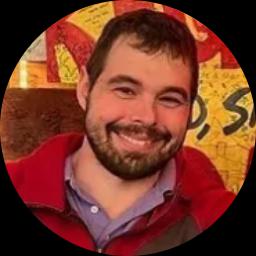
About Paul
Paul Zukas is a licensed social worker with eight years of professional experience. He holds LISW and LCSW credentials and practices in Florida. Paul focuses on practical help for people feeling overwhelmed by life.
He works with stress and anxiety and helps people coping after trauma or abuse. He supports those managing grief and loss, and he helps build motivation, self-esteem, and confidence. Paul also addresses control issues, guilt and shame, impulsivity, and social anxiety and phobia.
How Paul works
Paul approaches sessions with respect for each person's story. He treats clients as the experts on their own lives and looks for strengths to build on. That makes therapy collaborative and focused on what fits each person.
In sessions he helps people name what’s most pressing, try small changes, and notice what works. Conversations aim to be direct, practical, and paced to the client’s needs. Paul supports steps toward clearer thinking and steadier behavior.
He believes starting therapy is an act of courage and stays alongside people as they make changes. Sessions are intended to help people feel more capable in day-to-day life. Paul works to make goals realistic and progress measurable.
What Paul works with
The areas below are the ones Paul selected when setting up a profile. The first few are listed as the main focus; the rest are also named.
Also listed
Training and background
| Registers | LISW, LCSW |
|---|---|
| Years in practice | 8 |
| Languages | English |
| Session format | Online: video, phone, live chat or messaging |
| Country | Florida |
Memberships and registers are shown as supplied; they are not licences, and this directory does not verify them.
Online support options
Approaches and how online sessions can help
Paul uses evidence-based therapeutic techniques focused on practical change and emotional processing. One approach targets anxiety and stress by teaching coping skills and step-by-step exposure to feared situations, which can reduce avoidance and build confidence. Another approach helps people work through trauma and grief by organizing painful memories and practicing strategies to manage strong emotions, making difficult memories easier to face without being overwhelmed.Choosing the right approach is a collaborative process. The therapist will discuss goals, try methods that suit a person’s needs, and adjust the plan over time. Clients and the therapist decide together which techniques feel most useful.
Online therapy offers flexible ways to meet. Video calls let people use face-to-face conversation when a deeper connection is helpful. Phone sessions are useful when bandwidth is limited or a shorter check-in is needed. Live chat and text-based messaging let people share thoughts between sessions or when typing feels easier than speaking. These options make it simpler to fit therapy into a busy life and keep progress moving forward.
Start online instead of waiting
Our partner service asks a few questions about what you are looking for and matches you with a therapist for sessions from home.
Book with PaulWe will earn a commission if you sign up through our link, at no cost to you.
Common questions
What kinds of concerns does he help with?
How would you describe his therapeutic style?
How much clinical experience does he have?
What are his credentials and where is he based?
Which languages are supported for sessions?
What session formats are available?
How does cost and billing work?
What are the first steps to begin therapy?
A practical next step
Write down two things you would want to be different in six months. That is the most useful thing to bring to a first session, whoever it is with. If you would rather start now than keep reading, online sessions are the quickest route.
We will earn a commission if you sign up through our link, at no cost to you. Entries are not assessed or endorsed by this directory.
Other entries for stress, anxiety
Supportive LCSW helping people build strength and clarity
Practical, trauma-aware therapy for everyday life
Practical, relational therapy for life transitions