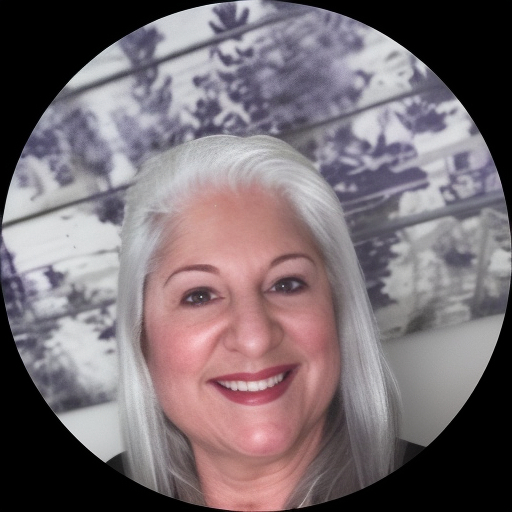
About Sarah
Sarah Bachmaier uses practical, talk-based therapy to help people move through hard times. She is a licensed clinical social worker - LCSW - and brings nine years of experience to each session. Sarah writes plainly and listens closely so people feel heard and understood.
She focuses on common struggles like stress, anxiety, depression, grief, and the effects of trauma or abuse. Sarah also supports people dealing with self-esteem, abandonment, body image, codependency, and feelings of emptiness or shame.
How Sarah works
Her practice includes care for issues such as chronic illness and pain, caregiver stress, addiction concerns, communication problems, control issues, infidelity, and isolation. In sessions she blends eye movement desensitization and reprocessing - EMDR - with motivational interviewing. EMDR is used to process distressing memories and reduce their hold on day-to-day life.
Motivational interviewing helps people find and strengthen the reasons they want to change, especially around substance use or behavior shifts. Sarah aims for clear, doable steps in therapy rather than long lists of techniques. She treats therapy as a collaboration where the person brings knowledge about their life and she brings structure and questions to guide change.
Meetings are paced to match each person's needs and energy. She practices in Florida and offers help in English. The first session typically starts by talking about what matters most and making a simple plan for what to try next.
Sarah lists 2 ways of working on the entry:
What Sarah works with
The areas below are the ones Sarah selected when setting up a profile. The first few are listed as the main focus; the rest are also named.
Also listed
- Abandonment
- Body image
- Caregiver issues and stress
- Chronic pain, illness, and disability
- Codependency
- Communication problems
- Control issues
- Depression
- Domestic violence
- Drug and alcohol addiction
- Emptiness
- Guilt and shame
- Infidelity
- Isolation / loneliness
- Life purpose
- Midlife crisis
- Multicultural concerns
- Panic disorder and panic attacks
- Post-traumatic stress
- Pregnancy and childbirth
- Prejudice and discrimination
- Self esteem
- Self-love
- Sexual assault and abuse
- Sexuality
- Social anxiety and phobia
- Women's issues
- Workplace issues
Training and background
| Register | LCSW |
|---|---|
| Years in practice | 9 |
| Languages | English |
| Session format | Online: video, phone, live chat or messaging |
| Country | Florida |
Memberships and registers are shown as supplied; they are not licences, and this directory does not verify them.
Online support options
How EMDR and Motivational Interviewing work online
Sarah uses EMDR to help people process distressing memories and reduce their ongoing emotional impact. In simple terms, EMDR guides attention while a person recalls troubling moments so those memories feel less overwhelming over time. Motivational interviewing focuses on drawing out a person’s own reasons for change and strengthening their commitment to small steps forward.Choosing the right method is a team effort. Sarah will talk through goals and preferences, try an approach that fits those priorities, and adjust based on what helps. She frames the work as collaborative so the person stays in control of pace and focus.
Online formats include video calls, phone sessions, live chat, and text-based messaging. Video works well for interactive EMDR sessions and full conversations. Phone sessions can be quieter and use less bandwidth. Live chat and texting are useful for brief check-ins, shorter reflections, or when writing thoughts feels easier than speaking. These options aim to make therapy more flexible and easier to fit into a busy life.
Start online instead of waiting
Our partner service asks a few questions about what you are looking for and matches you with a therapist for sessions from home.
Book with SarahWe will earn a commission if you sign up through our link, at no cost to you.
Common questions
What concerns does she commonly address?
What is her style of therapy?
How much clinical experience does she have?
What are her credentials and where is she based?
Which languages are offered for sessions?
Can people outside the United States work with her?
What session formats are available?
How does payment and getting started work?
A practical next step
Write down two things you would want to be different in six months. That is the most useful thing to bring to a first session, whoever it is with. If you would rather start now than keep reading, online sessions are the quickest route.
We will earn a commission if you sign up through our link, at no cost to you. Entries are not assessed or endorsed by this directory.
Other entries for stress, anxiety
Supportive LCSW helping people build strength and clarity
Practical, trauma-aware therapy for everyday life
Practical, relational therapy for life transitions