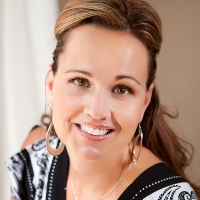
About Sharon
Sharon Wilkening brings a long and varied professional path into her therapy work. She holds a Master of Arts in Forensic Psychology and has more than 16 years of mental health experience. Sharon is a Licensed Mental Health Counselor, LMHC, based in New York and she focuses on clear, practical support for people in distress.
Her early career included federal law enforcement and program work with teens involved in the justice system.
How Sharon works
Those roles shaped how she thinks about behavior, safety, and recovery. Over time she moved into full-time clinical work and independent practice, helping people cope with depression, anxiety, trauma, and substance use concerns. Sharon uses straightforward, skills-focused methods to help people reframe unhelpful patterns.
She draws on cognitive behavioral ideas to identify thoughts and actions that keep problems going. Dialectical behavior skills are used to build emotion regulation and distress tolerance when feelings feel overwhelming. Motivational interviewing techniques are part of her approach when people want to change habits like substance use.
She also incorporates solution-focused and strength-based work to set realistic goals and build on what already works. Sessions are described in plain terms and centered on practical steps the client can try between meetings. People who prefer a direct, nonjudgmental therapist often find her style helpful.
Sharon aims to meet each person where they are and to tailor sessions to their immediate needs. The focus is on usable tools, steady progress, and clearer decision making.
What Sharon works with
The areas below are the ones Sharon selected when setting up a profile. The first few are listed as the main focus; the rest are also named.
- Stress, Anxiety
- Addictions
- Relationship issues
Also listed
- Career difficulties
- Coaching
- Coping with life changes
- Depression
- Eating disorders
- Family conflicts
- Grief
- Intimacy-related issues
- Self esteem
- Trauma and abuse
Training and background
| Register | LMHC |
|---|---|
| Years in practice | 16 |
| Languages | English |
| Session format | Online: video, phone, live chat or messaging |
| Country | New York |
Memberships and registers are shown as supplied; they are not licences, and this directory does not verify them.
Online support options
How therapeutic approaches translate to online care
Sharon commonly uses cognitive behavioral methods to help people identify unhelpful thoughts and change behaviors that keep problems going; this is useful for anxiety, depression, and stress. She also uses dialectical behavior ideas to teach emotion regulation, distress tolerance, and interpersonal effectiveness when emotions feel intense. Motivational interviewing is used to explore readiness for change and to build motivation for addressing habits like substance use.Finding the right mix of techniques is a collaborative process. The therapist will work with each person to test approaches, adjust them to fit goals, and pick strategies that match preferences and daily life demands. Clients have a say in pacing and which skills to prioritize.
Online sessions are offered by video calls, phone, live chat, or text-based messaging to make therapy more flexible. Video is helpful for in-depth discussion and skill practice. Phone sessions can be a simpler option when bandwidth is limited or a shorter check-in is needed. Live chat and messaging let people send updates and get brief support between sessions, which can help maintain momentum.
Start online instead of waiting
Our partner service asks a few questions about what you are looking for and matches you with a therapist for sessions from home.
Explore online therapy optionsWe will earn a commission if you sign up through our link, at no cost to you.
Common questions
What concerns does Sharon help with?
What is her therapeutic style like?
How long has she worked in mental health?
What credentials does she hold and where is she located?
Which languages are supported in sessions?
What session formats are available?
How does payment and cost work?
How do I begin working with her?
A practical next step
Write down two things you would want to be different in six months. That is the most useful thing to bring to a first session, whoever it is with. If you would rather start now than keep reading, online sessions are the quickest route.
We will earn a commission if you sign up through our link, at no cost to you. Entries are not assessed or endorsed by this directory.
Other entries for stress, anxiety
Supportive LCSW helping people build strength and clarity
Practical, trauma-aware therapy for everyday life
Practical, relational therapy for life transitions