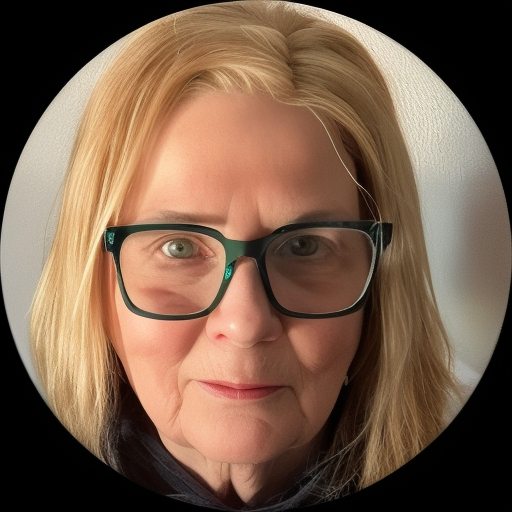
About Shirley
Shirley Williams helps people who are feeling overwhelmed by grief, trauma, relationship strain, anxiety, or big life changes. She is a licensed clinical social worker with 35 years of experience and uses practical, down-to-earth methods in sessions. Shirley aims to make therapy feel understandable and manageable for parents and individuals searching for steady support.
Shirley trained in social work at Wayne State University where she earned a Master of Social Work.
How Shirley works
Early in her career she completed a two-year intensive family therapy program and continued advanced trainings over the years. Her background includes work in health care, hospice, schools, foster care and adoption, pregnancy services, and services for people with disabilities and their caregivers. Alongside social work, Shirley completed a 1,000-hour massage therapy program and became nationally certified in massage and bodywork.
That experience informs her somatic approach, which brings attention to the body and felt experience during trauma work. She blends movement, sound, and simple expressive arts in sessions when it helps a client process difficult feelings. Her trauma work includes approaches such as Eye Movement Desensitization and Reprocessing, Narrative Therapy, and Trauma-Focused Therapy.
Shirley also uses elements of the Flash Technique alongside EMDR to support trauma resolution in some cases. Sessions are described plainly and focus on what clients can do between meetings to feel steadier. Shirley practices from Colorado and offers online options as well as in-person work.
She keeps learning new tools and adapts them to each person's needs, helping people build skills for daily life and stronger emotional balance.
Shirley lists 3 ways of working on the entry:
What Shirley works with
The areas below are the ones Shirley selected when setting up a profile. The first few are listed as the main focus; the rest are also named.
- Relationship issues
- Family conflicts
- Trauma and abuse
Also listed
- Abandonment
- ADHD
- Anger management
- Attachment issues
- Body image
- Career difficulties
- Caregiver issues and stress
- Chronic pain, illness, and disability
- Coaching
- Communication problems
- Compassion fatigue
- Control issues
- Coping with life changes
- Depression
- Divorce and separation
- Eating disorders
- Forgiveness
- Grief
- Guilt and shame
- Hospice and end-of-life counseling
- Intimacy-related issues
- Isolation / loneliness
- Life purpose
- Obsessions, compulsions, and OCD
- Parenting issues
- Post-traumatic stress
- Pregnancy and childbirth
- Self esteem
- Self-love
- Sleeping disorders
- Social anxiety and phobia
- Somatization
- Stress, Anxiety
- Traumatic brain injury
- Women's issues
- Young adult issues
Training and background
| Registers | LCSW, CSW |
|---|---|
| Years in practice | 35 |
| Languages | English |
| Session format | Online: video, phone, live chat or messaging |
| Country | Colorado |
Memberships and registers are shown as supplied; they are not licences, and this directory does not verify them.
Online support options
How EMDR, Narrative, and Trauma-Focused Work Translate Online
EMDR is a trauma-focused approach that uses guided bilateral stimulation alongside memory processing to reduce the intensity of upsetting memories. It can help people with post-traumatic stress and persistent traumatic memories by reducing emotional charge and promoting new perspectives. Narrative Therapy focuses on the stories people tell about their lives and separates the person from the problem so they can rewrite harmful narratives and reclaim strengths. Trauma-Focused Therapy emphasizes practical steps to stabilize reactions, process traumatic events, and build coping skills for daily life.Choosing the right approach is part of therapy. Shirley works collaboratively to figure out what fits each person's history, goals, and comfort level. Together they may try one method, combine techniques, or adjust pace based on how a person responds during online work.
Online sessions are offered by video call, phone, live chat, or text-based messaging to make therapy more flexible. Video calls allow face-to-face interaction for EMDR and narrative work. Phone sessions use less bandwidth and can fit a break at work. Live chat or text messaging supports brief check-ins or ongoing coaching-style contact. These options help people maintain continuity of care when schedules or travel make in-person visits harder.
Start online instead of waiting
Our partner service asks a few questions about what you are looking for and matches you with a therapist for sessions from home.
Book with ShirleyWe will earn a commission if you sign up through our link, at no cost to you.
Common questions
What concerns does Shirley address in sessions?
What is her therapeutic style like?
How much experience does she have?
What credentials and location are listed?
Which languages are used in sessions?
What session formats are available?
How are fees and billing handled?
How do I begin working with her?
A practical next step
Write down two things you would want to be different in six months. That is the most useful thing to bring to a first session, whoever it is with. If you would rather start now than keep reading, online sessions are the quickest route.
We will earn a commission if you sign up through our link, at no cost to you. Entries are not assessed or endorsed by this directory.
Other entries for relationship
Supportive LCSW helping people build strength and clarity
Practical, trauma-aware therapy for everyday life
Practical, relational therapy for life transitions