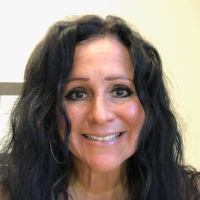
About Stephanie
Stephanie Safos-Moriarty is a Licensed Mental Health Counselor (LMHC) with 11 years of experience. She focuses on practical, results-oriented care for people coping with stress, anxiety, mood shifts, addictions, and relationship concerns. She also helps with trauma and abuse, grief, parenting strain, LGBT issues, and challenges such as eating, sleeping, and anger.
She aims to make the first step feel manageable and straightforward. Stephanie uses approaches that help people notice patterns, set realistic goals, and build skills.
How Stephanie works
She draws on Cognitive Behavioral Therapy to identify unhelpful thoughts and change behaviors. She also uses Dialectical Behavior Therapy skills to teach emotion regulation and distress tolerance. Motivational Interviewing and Solution-Focused Therapy guide goal setting and small-step change when needed.
Sessions are practical and collaborative. Conversations focus on what is happening now, what the person wants to change, and clear steps to move forward. Homework and simple exercises are often used between sessions to reinforce progress.
Stephanie brings experience from a variety of clinical settings over more than a decade. That background helps when a person faces complex or overlapping concerns like substance use and trauma or parenting stress alongside anxiety. She practices in Florida and conducts sessions in English.
The tone of her work is direct but warm - she aims to listen carefully and offer tools that people can use right away.
Stephanie lists 4 ways of working on the entry:
What Stephanie works with
The areas below are the ones Stephanie selected when setting up a profile. The first few are listed as the main focus; the rest are also named.
- Stress, Anxiety
- Addictions
- Relationship issues
Also listed
- ADHD
- Anger management
- Bipolar disorder
- Career difficulties
- Coaching
- Compassion fatigue
- Coping with life changes
- Depression
- Eating disorders
- Family conflicts
- Grief
- Intimacy-related issues
- LGBT
- Parenting issues
- Self esteem
- Sleeping disorders
- Trauma and abuse
Training and background
| Register | LMHC |
|---|---|
| Years in practice | 11 |
| Languages | English |
| Session format | Online: video, phone, live chat or messaging |
| Country | Florida |
Memberships and registers are shown as supplied; they are not licences, and this directory does not verify them.
Online support options
Using practical therapies online for real-life change
CBT, or Cognitive Behavioral Therapy, helps people notice unhelpful thoughts and change behaviors. It is often used for anxiety, depression, sleep and eating difficulties, and for managing mood swings. DBT, or Dialectical Behavior Therapy, teaches concrete skills for regulating intense emotions and tolerating distress. It is useful when strong feelings or anger get in the way of daily life. Motivational Interviewing focuses on resolving mixed feelings about change and supporting commitment to goals; it can be helpful when addressing addictions or readiness for behavior change.Choosing the right approach is part of the work. The therapist will collaborate with each person to decide which methods fit their situation and goals. That process may include trying an approach for a few sessions and adjusting based on what works and what doesn’t.
Online therapy can make regular care easier to fit into a busy life. Video calls allow face-to-face conversation when meeting in person is difficult. Phone sessions can be a good option when bandwidth is limited or a shorter check-in is needed. Live chat and text-based messaging are useful for brief updates, coaching between sessions, or when writing feels more comfortable. These formats provide flexibility to practice skills and stay connected to progress.
Start online instead of waiting
Our partner service asks a few questions about what you are looking for and matches you with a therapist for sessions from home.
Book with StephanieWe will earn a commission if you sign up through our link, at no cost to you.
Common questions
What kinds of concerns does she address?
What is her therapeutic style like?
How long has she been practicing clinically?
Where is she licensed and practicing?
Which languages are supported for sessions?
Can international clients schedule with her?
What session formats are available?
How are costs and billing handled?
A practical next step
Write down two things you would want to be different in six months. That is the most useful thing to bring to a first session, whoever it is with. If you would rather start now than keep reading, online sessions are the quickest route.
We will earn a commission if you sign up through our link, at no cost to you. Entries are not assessed or endorsed by this directory.
Other entries for stress, anxiety
Supportive LCSW helping people build strength and clarity
Practical, trauma-aware therapy for everyday life
Practical, relational therapy for life transitions