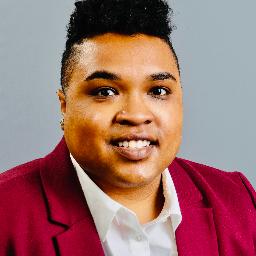
About Tamara
Dr. Tamara Hall welcomes people who are dealing with anxiety, stress, relationship strain, or big life changes. She offers a calm, respectful presence and practical help for those trying to rebuild confidence, manage emotions, or find clearer direction in work and relationships.
Dr. Hall is a Licensed Clinical Social Worker, LCSW, with 11 years of experience in Virginia. She uses straightforward conversation to understand what matters most to each person and then tailors sessions around those goals.
How Tamara works
Her style is warm and interactive, and she avoids stigmatizing labels. Her practice addresses a wide range of concerns, including intimacy-related issues, anger, self-esteem, compassion fatigue, and caregiving stress. She also works with people facing abandonment or attachment concerns, blended family challenges, infidelity, jealousy, and communication or control problems.
First responder issues and recovery after natural or human-caused disasters are also within her focus areas. Dr. Hall blends several approaches to fit the person in front of her.
She draws from Acceptance and Commitment Therapy, Emotionally-Focused Therapy, the Gottman Method, Motivational Interviewing, and client-centered work to shape conversations and action steps. Sessions aim to help people notice what matters, try small behavior changes, and strengthen important relationships. Sessions are available by video call, phone, live chat, or text-based messaging.
People start by completing a short matching questionnaire, then schedule sessions according to the therapist's availability. Fees vary with location and use a subscription that can be canceled at any time.
Tamara lists 8 ways of working on the entry:
What Tamara works with
The areas below are the ones Tamara selected when setting up a profile. The first few are listed as the main focus; the rest are also named.
- LGBT
- Relationship issues
- Career difficulties
Also listed
- Abandonment
- Anger management
- Attachment issues
- Blended family issues
- Caregiver issues and stress
- Coaching
- Commitment issues
- Communication problems
- Compassion fatigue
- Control issues
- Coping with life changes
- Coping with natural or human-caused disaster
- Divorce and separation
- Family conflicts
- Family problems
- First responder issues
- Forgiveness
- Infidelity
- Intimacy-related issues
- Jealousy
- Life purpose
- Men's issues
- Midlife crisis
- Money and financial issues
- Multicultural concerns
- Polyamory / non-monogamous relationships
- Self esteem
- Self-love
- Sexuality
- Social anxiety and phobia
- Stress, Anxiety
- Veteran and Armed Forces Issues
- Women's issues
- Workplace issues
- Young adult issues
Training and background
| Register | LCSW |
|---|---|
| Years in practice | 11 |
| Languages | English |
| Session format | Online: video, phone, live chat or messaging |
| Country | Virginia |
Memberships and registers are shown as supplied; they are not licences, and this directory does not verify them.
Online support options
Approaches that guide online work
Acceptance and Commitment Therapy helps people notice difficult thoughts and feelings without getting stuck in them, then take small steps toward a life that matches their values. It is useful for anxiety, stress, and finding direction after big changes. Emotionally-Focused Therapy focuses on identifying and shifting emotional patterns in important relationships to create greater connection and safety. It is often used for intimacy-related struggles and communication problems. The Gottman Method brings practical tools for improving communication and managing conflict in close relationships, with exercises people can practice between sessions.Choosing the best approach is a collaborative process. The therapist will discuss goals, preferences, and what has or hasn't worked before, then try methods that fit the person's needs. Adjustments are made as progress is tracked, so the plan can change if something else would help more.
Online therapy offers practical flexibility: video calls let people see nonverbal cues and run deeper conversations, while phone sessions work well when internet bandwidth is limited or a camera feels uncomfortable. Live chat and text-based messaging are useful for brief check-ins, between-session support, or when someone needs quick access without scheduling a full call. These options make it easier to fit regular work on goals into a busy life.
Start online instead of waiting
Our partner service asks a few questions about what you are looking for and matches you with a therapist for sessions from home.
Book with TamaraWe will earn a commission if you sign up through our link, at no cost to you.
Common questions
What concerns does this therapist address?
How would you describe the therapeutic style?
What is the therapist's background?
Where is the therapist based and licensed?
Which languages are offered for sessions?
What session formats are available?
How are sessions billed and what do they cost?
How do I begin if I want to work with this therapist?
A practical next step
Write down two things you would want to be different in six months. That is the most useful thing to bring to a first session, whoever it is with. If you would rather start now than keep reading, online sessions are the quickest route.
We will earn a commission if you sign up through our link, at no cost to you. Entries are not assessed or endorsed by this directory.
Other entries for lgbt
Supportive LCSW helping people build strength and clarity
Practical, trauma-aware therapy for everyday life
Practical, empathetic therapy for life transitions