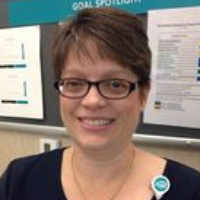
About Tracey
Tracey Beaty helps people who are dealing with trauma and abuse, low self-esteem, bipolar disorder, depression, and major life changes. She is a Licensed Professional Counselor, LPC, and a Licensed Clinical Mental Health Counselor, LCMHC, practicing in North Carolina. Her style is warm and respectful, aiming to build trust so clients feel safe to talk about hard things.
Tracey uses straightforward methods that focus on what a person needs now.
How Tracey works
She draws on Cognitive Behavioral Therapy to look at thoughts and behaviors that get in the way. She also uses Client-Centered Therapy to listen and follow each person's lead. Motivational Interviewing helps when people want to make changes but feel stuck.
With 15 years of experience, Tracey has worked with adults facing relationship wounds from abandonment and adoption and with survivors of domestic and sexual violence. She also supports people coping with mood disorders and seasonal mood changes. Her approach emphasizes respect and dignity in every session.
Sessions tend to be practical and conversational. Tracey helps clients set small goals, try new coping skills, and track what works. She encourages honest feedback so the work can shift when something isn’t helping.
Therapy is scheduled to fit each person’s rhythm and needs. Tracey guides people through problem solving, emotional processing, and rebuilding stronger daily routines. She aims to help clients move toward steadier moods and clearer thinking.
Tracey lists 3 ways of working on the entry:
What Tracey works with
The areas below are the ones Tracey selected when setting up a profile. The first few are listed as the main focus; the rest are also named.
- Trauma and abuse
- Self esteem
- Bipolar disorder
Also listed
Training and background
| Registers | LPC, LCMHC |
|---|---|
| Years in practice | 15 |
| Languages | English |
| Session format | Online: video, phone, live chat or messaging |
| Country | North Carolina |
Memberships and registers are shown as supplied; they are not licences, and this directory does not verify them.
Online support options
How Tracey’s Approaches Work Online
Client-Centered Therapy focuses on listening and following the person’s concerns. The therapist reflects feelings, asks open questions, and helps people clarify what matters most to them. This approach is useful when someone needs space to process trauma or relational wounds.Cognitive Behavioral Therapy, or CBT, looks at the connection between thoughts, feelings, and actions. It teaches straightforward skills for changing unhelpful thinking and building healthier habits, which can be helpful for depression, bipolar mood management, and seasonal mood shifts.
Motivational Interviewing helps when someone feels stuck about making changes. Through gentle questioning and collaboration, the therapist helps a person find their own reasons to try new behaviors and stick with them.
Finding the right approach is part of the work together. The therapist will talk through goals, try methods, and adjust based on what feels most useful. This collaborative process helps match techniques to each person’s needs and preferences.
Online therapy offers flexible ways to connect. Video calls let the therapist and client see facial cues and hold longer sessions. Phone sessions work well when bandwidth is limited or when a quieter setup is needed. Live chat and text-based messaging provide shorter check-ins and ongoing support between sessions. These options make it easier to fit therapy into a busy life and to keep consistent progress.
Start online instead of waiting
Our partner service asks a few questions about what you are looking for and matches you with a therapist for sessions from home.
Book with TraceyWe will earn a commission if you sign up through our link, at no cost to you.
Common questions
What concerns does Tracey commonly address?
How would you describe her therapy style?
What is her professional background?
What credentials and location are listed for this therapist?
Which languages are supported and can she see international clients?
What session formats are available online?
How does payment and cost work?
How do I begin working with this therapist?
A practical next step
Write down two things you would want to be different in six months. That is the most useful thing to bring to a first session, whoever it is with. If you would rather start now than keep reading, online sessions are the quickest route.
We will earn a commission if you sign up through our link, at no cost to you. Entries are not assessed or endorsed by this directory.
Other entries for trauma and abuse
Supportive LCSW helping people build strength and clarity
Practical, trauma-aware therapy for everyday life
Practical, empathetic therapy for life transitions