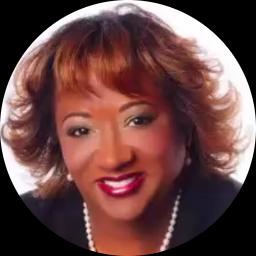
About Tracey
Dr. Tracey Williams helps people facing stress, anxiety, low self-esteem, depression, relationship strain, and trauma. She speaks plainly and keeps the work goal-focused so parents can quickly see whether her style fits their needs.
She uses practical, evidence-based therapeutic techniques to set clear goals with each person. Sessions focus on building useful skills and small changes that add up. She offers encouragement and accountability while people work toward specific outcomes.
How Tracey works
With 18 years of experience, Dr. Williams blends a strength-based outlook with solution-focused methods. She looks for personal strengths that can be used right away.
That keeps therapy concrete and centered on what matters to the client. Her additional focus areas include body image, caregiver stress, chronic illness and pain, communication problems, divorce and separation, and forgiveness. She also supports people dealing with abandonment, blended family issues, and aspects of alternative sex culture such as BDSM and kink.
Dr. Williams holds LCSW and LCSW-C credentials and practices in Maryland. She works in English and offers video calls, phone sessions, live chat, and text-based messaging.
Sessions are delivered through a subscription that can be canceled at any time. To begin, someone completes a short matching questionnaire and schedules according to therapist availability. This process helps pair a person with a therapist and a plan that fits their goals and schedule.
What Tracey works with
The areas below are the ones Tracey selected when setting up a profile. The first few are listed as the main focus; the rest are also named.
- Stress, Anxiety
- Relationship issues
- Trauma and abuse
Also listed
- Abandonment
- BDSM, kink, and alternative sex culture
- Blended family issues
- Body image
- Cancer
- Caregiver issues and stress
- Chronic pain, illness, and disability
- Co-morbidity
- Codependency
- Communication problems
- Coping with natural or human-caused disaster
- Dependent personality
- Depression
- Divorce and separation
- Domestic violence
- Forgiveness
- Guilt and shame
- Isolation / loneliness
- Life purpose
- Men's issues
- Midlife crisis
- Money and financial issues
- Multicultural concerns
- Obsessions, compulsions, and OCD
- Panic disorder and panic attacks
- Paranoia
- Phobias
- Polyamory / non-monogamous relationships
- Post-traumatic stress
- Postpartum depression
- Pregnancy and childbirth
- Prejudice and discrimination
- Process addiction (porn, exercise, gambling)
- Seasonal Affective Disorder (SAD)
- Self esteem
- Self-harm
- Self-love
- Sex addiction
- Sexual assault and abuse
- Sexual dysfunction
- Sexuality
- Social anxiety and phobia
- Somatization
- Trichotillomania
- Veteran and Armed Forces Issues
- Visually impaired
- Women's issues
- Workplace issues
- Young adult issues
Training and background
| Registers | LCSW, MD, LCSW-C |
|---|---|
| Years in practice | 18 |
| Languages | English |
| Session format | Online: video, phone, live chat or messaging |
| Country | Maryland |
Memberships and registers are shown as supplied; they are not licences, and this directory does not verify them.
Online support options
Approach and online therapy options
Dr. Williams uses evidence-based, solution-focused work that centers on setting clear goals and teaching practical skills. This approach breaks problems into manageable steps and helps people try new behaviors between sessions to see what works. It is useful for anxiety, stress, relationship strain, and depression.She also applies a strength-based perspective that spots existing abilities and builds on them. That method helps people increase confidence, manage caregiver stress, cope with chronic illness or pain, and improve communication by using strengths already present in daily life.
Choosing the right approach is a collaborative process. The therapist will discuss concerns, goals, and preferences and suggest strategies to try. Together they adjust methods over time so the work stays relevant to changing needs.
Online therapy offers practical flexibility. Video calls are good for in-depth conversation and visual cues. Phone sessions work when bandwidth is limited or a camera is not desired. Live chat and text-based messaging suit brief check-ins, quick skill practice, or when written reflection is preferred. These formats make it easier to fit therapy into a busy life and to keep momentum between sessions.
Start online instead of waiting
Our partner service asks a few questions about what you are looking for and matches you with a therapist for sessions from home.
Book with TraceyWe will earn a commission if you sign up through our link, at no cost to you.
Common questions
What concerns does she help with?
What is her therapeutic style?
How much experience does she have?
What credentials and region apply?
Which languages are offered?
What session formats are available?
How does payment work?
How do I begin therapy?
A practical next step
Write down two things you would want to be different in six months. That is the most useful thing to bring to a first session, whoever it is with. If you would rather start now than keep reading, online sessions are the quickest route.
We will earn a commission if you sign up through our link, at no cost to you. Entries are not assessed or endorsed by this directory.
Other entries for stress, anxiety
Supportive LCSW helping people build strength and clarity
Practical, trauma-aware therapy for everyday life
Practical, relational therapy for life transitions