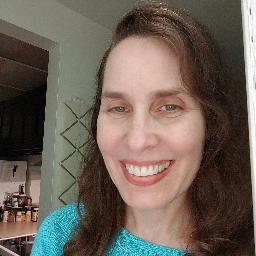
About Tricia
Dr. Tricia Park helps people who feel overwhelmed by stress, anxiety, depression, or major life changes find clearer direction. She writes in a calm, straightforward way and aims to make the first steps feel manageable.
Dr. Park practices in New York and brings 22 years of experience to each session. She listens for the history behind current problems and helps people name what is causing pain.
Conversations cover both past events and present struggles so clients can understand patterns that keep reappearing.
How Tricia works
She keeps a nonjudgmental tone and lets the person lead when that approach is working. Her work often focuses on trauma, grief, eating concerns, addictions, bipolar mood challenges, and struggles with self-esteem and relationships. She also supports people facing career transitions, sleep problems, anger, and personality-related issues.
Sessions include practical steps and coping strategies people can try between meetings. Dr. Park uses several therapeutic approaches, including acceptance and commitment work, cognitive behavioral techniques, mindfulness, client-centered methods, and eye movement desensitization and reprocessing for trauma.
She adapts methods to fit each person's needs rather than following a single script. Those starting therapy can expect straightforward, compassionate guidance. Dr.
Park values a steady working relationship where honest conversations about feelings, behaviors, and goals happen over time. Her aim is to help people regain a sense of direction and improved day-to-day functioning.
Tricia lists 8 ways of working on the entry:
What Tricia works with
The areas below are the ones Tricia selected when setting up a profile. The first few are listed as the main focus; the rest are also named.
- Stress, Anxiety
- Relationship issues
- Grief
Also listed
- Addictions
- Anger management
- Bipolar disorder
- Career difficulties
- Coaching
- Coping with life changes
- Depression
- Eating disorders
- Family conflicts
- Personality disorders
- Self esteem
- Sleeping disorders
- Trauma and abuse
Training and background
| Register | NY Psychologist |
|---|---|
| Years in practice | 22 |
| Languages | English |
| Session format | Online: video, phone, live chat or messaging |
| Country | New York |
Memberships and registers are shown as supplied; they are not licences, and this directory does not verify them.
Online support options
Therapeutic approaches that work online
Acceptance and Commitment Therapy (ACT) helps people notice unhelpful thoughts and commit to actions that match their values. It focuses on building a meaningful life even when difficult feelings remain. Cognitive Behavioral Therapy (CBT) looks at connections between thoughts, feelings, and behaviors and teaches practical skills to change patterns that cause distress. Eye Movement Desensitization and Reprocessing (EMDR) is a trauma-focused method that helps process disturbing memories so they feel less triggering; it can be useful for people with past traumatic experiences.Choosing the right approach is a shared process. The therapist will talk with the client about goals, preferences, and what has or hasn't helped before. Together they will try techniques and adjust the plan as needed so sessions stay relevant and useful.
Online therapy with Dr. Park is offered through video calls, phone sessions, live chat, or text-based messaging. Video is useful for face-to-face conversation and skill practice, phone sessions can fit a work break or use less bandwidth, chat can be a quicker check-in, and messaging supports short updates or reflection between meetings. These options make it easier to schedule care around daily life and maintain steady progress.
Start online instead of waiting
Our partner service asks a few questions about what you are looking for and matches you with a therapist for sessions from home.
Book with TriciaWe will earn a commission if you sign up through our link, at no cost to you.
Common questions
What concerns does Dr. Park address?
What is her therapy style like?
How long has she practiced?
What credential does she hold and where is she based?
Which languages are sessions offered in?
Can international clients work with her?
What formats are available for sessions?
How does the cost and subscription work?
A practical next step
Write down two things you would want to be different in six months. That is the most useful thing to bring to a first session, whoever it is with. If you would rather start now than keep reading, online sessions are the quickest route.
We will earn a commission if you sign up through our link, at no cost to you. Entries are not assessed or endorsed by this directory.
Other entries for stress, anxiety
Supportive LCSW helping people build strength and clarity
Practical, trauma-aware therapy for everyday life
Practical, relational therapy for life transitions