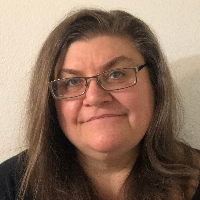
About Wendi
Wendi Cancilla is a licensed mental health counselor (LMHC) in Washington with 24 years of experience. She helps people manage stress, anxiety, depression, trauma and abuse, and parenting and family concerns. She also supports people facing grief, addiction, sleep problems, low self-esteem, career stress, and compassion fatigue.
Wendi uses straightforward, practical methods in sessions. She often draws on Cognitive Behavioral Therapy to identify unhelpful thoughts and change behaviors. Motivational Interviewing and Solution-Focused Therapy are tools she uses to set goals and build momentum one step at a time.
How Wendi works
Her background includes long-term clinical work with people coping with chronic health conditions, caregiver stress, and complicated grief. She has experience helping those affected by abandonment, adoption and foster care issues, and challenges linked to autism and personality concerns. That experience informs how she shapes treatment plans.
In sessions she focuses on clear steps and small wins. Conversations aim to make daily life easier - from handling panic to improving sleep and managing anger. She helps people break problems into manageable pieces and track progress over time.
Wendi offers video calls, phone sessions, live chat, and text messaging for ongoing work. New clients complete a short questionnaire to match with her and then schedule sessions according to her availability.
Wendi lists 4 ways of working on the entry:
What Wendi works with
The areas below are the ones Wendi selected when setting up a profile. The first few are listed as the main focus; the rest are also named.
- Stress, Anxiety
- Family conflicts
- Trauma and abuse
Also listed
- Abandonment
- Addictions
- ADHD
- Adoption and foster care
- Aging and geriatric issues
- Anger management
- Antisocial personality
- Autism and Asperger Syndrome
- Blended family issues
- Cancer
- Career difficulties
- Caregiver issues and stress
- Chronic pain, illness, and disability
- Co-morbidity
- Codependency
- Communication problems
- Compassion fatigue
- Coping with life changes
- Coping with natural or human-caused disaster
- Depression
- Disruptive Mood Dysregulation Disorder (DMDD)
- Dissociation
- Domestic violence
- Emptiness
- Family of origin issues
- Family problems
- First responder issues
- Grief
- HIV / AIDS
- Intellectual disability
- Isolation / loneliness
- LGBT
- Panic disorder and panic attacks
- Paranoia
- Parenting issues
- Personality disorders
- Polyamory / non-monogamous relationships
- Post-traumatic stress
- Postpartum depression
- Pregnancy and childbirth
- Self esteem
- Sexual assault and abuse
- Sleeping disorders
- Veteran and Armed Forces Issues
- Visually impaired
- Women's issues
- Workplace issues
Training and background
| Register | LMHC |
|---|---|
| Years in practice | 24 |
| Languages | English |
| Session format | Online: video, phone, live chat or messaging |
| Country | Washington |
Memberships and registers are shown as supplied; they are not licences, and this directory does not verify them.
Online support options
How her approaches translate to online work
Wendi commonly uses Cognitive Behavioral Therapy to help people notice patterns in their thoughts and behaviors and then practice different responses. CBT is useful for anxiety, depression, sleep problems, and anger by offering concrete skills to try between sessions.She also uses Motivational Interviewing to help people clarify what matters to them and to build momentum for change. That approach works well for addictions, career transitions, and any situation where someone feels stuck and wants practical next steps.
Choosing the right approach is a collaborative process. The therapist will talk with the client about goals, preferences, and daily routines, then adapt techniques that fit their situation. Expect to test methods and adjust as needed until something clicks.
Online formats include video calls, phone sessions, live chat, and text-based messaging. Video calls let the therapist and client work through exercises and body language. Phone sessions can be a simpler option when bandwidth is limited or a shorter check-in is needed. Live chat and text messaging are useful for ongoing support and quick coping strategies between sessions. These options give flexibility to fit therapy into busy lives.
Start online instead of waiting
Our partner service asks a few questions about what you are looking for and matches you with a therapist for sessions from home.
Book with WendiWe will earn a commission if you sign up through our link, at no cost to you.
Common questions
What kinds of problems does she address?
What is her general therapy style?
How much clinical experience does she have?
Where is she licensed and based?
What languages are supported for sessions?
Which session formats are used?
How are fees and subscriptions handled?
How do I begin working with her?
A practical next step
Write down two things you would want to be different in six months. That is the most useful thing to bring to a first session, whoever it is with. If you would rather start now than keep reading, online sessions are the quickest route.
We will earn a commission if you sign up through our link, at no cost to you. Entries are not assessed or endorsed by this directory.
Other entries for stress, anxiety
Supportive LCSW helping people build strength and clarity
Practical, trauma-aware therapy for everyday life
Practical, relational therapy for life transitions