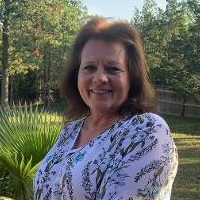
About Yvonne
Yvonne Heim is a Licensed Professional Counselor (LPC) based in Texas with 18 years of clinical experience. She holds graduate degrees in psychology and human services with concentrations in addiction and mental health counseling. Yvonne focuses on helping people manage stress, anxiety, depression, addiction, grief, and major life changes.
Yvonne adapts her work to each person rather than using one fixed method. Sessions aim to make people feel heard and to keep the session focused on the problems and goals they bring.
How Yvonne works
She listens closely and encourages questions so clients can speak freely without feeling judged. Her typical approach blends client-centered work with cognitive behavioral techniques and dialectical behavior strategies. That combination helps people shift unhelpful thinking, build coping skills, and learn emotional regulation tools.
Mindfulness and solution-focused strategies are also used to find practical steps forward. Yvonne draws on personal experience with trauma and grief to inform a compassionate style. She views therapy as a partnership where the client’s priorities guide each session.
The emphasis is on learning skills to manage symptoms or to move toward recovery. People come to Yvonne for a range of concerns, including addictions, relationship and family stress, parenting challenges, anger, low self-esteem, and bipolar symptoms. She also works with problems such as codependency, communication breakdowns, post-traumatic stress, and process addictions.
Sessions are conversational, goal-oriented, and adjusted to each person’s needs.
Yvonne lists 6 ways of working on the entry:
What Yvonne works with
The areas below are the ones Yvonne selected when setting up a profile. The first few are listed as the main focus; the rest are also named.
Also listed
- Anger management
- Bipolar disorder
- Codependency
- Communication problems
- Control issues
- Coping with life changes
- Depression
- Divorce and separation
- Drug and alcohol addiction
- Family conflicts
- Family problems
- Grief
- Guilt and shame
- Intimacy-related issues
- Isolation / loneliness
- Panic disorder and panic attacks
- Parenting issues
- Post-traumatic stress
- Process addiction (porn, exercise, gambling)
- Relationship issues
- Seasonal Affective Disorder (SAD)
- Self esteem
- Sex addiction
- Social anxiety and phobia
- Veteran and Armed Forces Issues
Training and background
| Register | LPC |
|---|---|
| Years in practice | 18 |
| Languages | English |
| Session format | Online: video, phone, live chat or messaging |
| Country | Texas |
Memberships and registers are shown as supplied; they are not licences, and this directory does not verify them.
Online support options
How chosen approaches translate to online therapy
Client-centered therapy focuses on listening and building trust, letting the person steer what is discussed while the therapist reflects and clarifies. This approach helps when someone needs to be heard and to sort out priorities for change.Cognitive Behavioral Therapy, or CBT, looks at the links between thoughts, feelings, and behaviors and teaches concrete skills to shift unhelpful patterns. It is useful for anxiety, depression, and many everyday problems because it offers clear tools and short-term exercises to practice between sessions.
Dialectical Behavior Therapy, or DBT, adds emotion regulation and distress-tolerance skills that help with intense emotions, impulsive behaviors, and relationship conflict. It teaches step-by-step strategies for managing strong feelings and improving communication.
Choosing the right approach is part of the work together. The therapist will talk with the client about their goals, preferences, and what has or hasn’t helped before. Together they decide which methods to try and adjust them as progress is made.
Online therapy offers flexible ways to connect using video calls, phone sessions, live chat, or text-based messaging. Video sessions allow face-to-face interaction for teaching skills and practicing new responses. Phone sessions use less bandwidth and can fit into a short break, while live chat or text-based messaging supports ongoing check-ins and quick skill reminders. These formats make it easier to keep therapy consistent around work and family life.
Start online instead of waiting
Our partner service asks a few questions about what you are looking for and matches you with a therapist for sessions from home.
Book with YvonneWe will earn a commission if you sign up through our link, at no cost to you.
Common questions
What concerns does she help with?
How would you describe her therapy style?
What is her professional background?
Where is she licensed and located?
Which languages are supported?
Can people outside the US work with her?
What session formats are available?
How are costs and starting steps handled?
A practical next step
Write down two things you would want to be different in six months. That is the most useful thing to bring to a first session, whoever it is with. If you would rather start now than keep reading, online sessions are the quickest route.
We will earn a commission if you sign up through our link, at no cost to you. Entries are not assessed or endorsed by this directory.
Other entries for stress, anxiety
Supportive LCSW helping people build strength and clarity
Practical, trauma-aware therapy for everyday life
Practical, relational therapy for life transitions