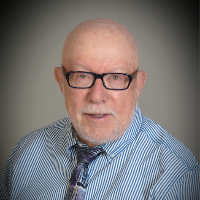
About James
Dr. James Kowalski is a Licensed Clinical Mental Health Counselor with 30 years in the helping professions. He holds LCMHC and LMHC credentials and practices from West Virginia.
He combines practical strategies with a respectful, down-to-earth style to help people facing difficult life moments. He draws on Cognitive Behavioral Therapy and Acceptance and Commitment Therapy to help people notice unhelpful thoughts and build more helpful habits. He also uses Client-Centered and Mindfulness approaches to create steady, focused conversations.
How James works
Motivational Interviewing helps when people want to make lasting changes but feel stuck. His areas of focus include stress, anxiety, depression, grief, anger, addictions, trauma and abuse, and self-esteem concerns. Additional work covers aging and geriatric issues, cancer-related stress, caregiver strain, hospice and end-of-life counseling, and challenges tied to codependency and communication problems.
He also addresses eating and food-related issues, bipolar concerns, compassion fatigue, and feelings of emptiness or isolation. Sessions emphasize clear goals, practical steps, and collaboration. Expect straightforward conversations, skill practice, and attention to what matters most to each person.
The aim is to help people find steady routines and small changes that add up over time. Dr. Kowalski uses a warm, interactive tone and treats people with respect and dignity.
He recommends starting with a brief assessment so sessions can be tailored to individual needs and life circumstances.
James lists 5 ways of working on the entry:
What James works with
The areas below are the ones James selected when setting up a profile. The first few are listed as the main focus; the rest are also named.
Also listed
- Aging and geriatric issues
- Anger management
- Bipolar disorder
- Cancer
- Caregiver issues and stress
- Codependency
- Communication problems
- Compassion fatigue
- Control issues
- Depression
- Divorce and separation
- Domestic violence
- Drug and alcohol addiction
- Eating and food-related issues
- Eating disorders
- Emptiness
- Guilt and shame
- Hospice and end-of-life counseling
- Isolation / loneliness
- Life purpose
- Men's issues
- Midlife crisis
- Money and financial issues
- Mood disorders
- Obsessions, compulsions, and OCD
- Post-traumatic stress
- Relationship issues
- Self esteem
- Self-love
- Smoking / vaping cessation
- Trauma and abuse
- Workplace issues
Training and background
| Registers | LCMHC, LMHC |
|---|---|
| Years in practice | 30 |
| Languages | English |
| Session format | Online: video, phone, live chat or messaging |
| Country | West Virginia |
Memberships and registers are shown as supplied; they are not licences, and this directory does not verify them.
Online support options
Practical therapy methods for online care
Acceptance and Commitment Therapy (ACT) focuses on clarifying what matters most and taking small, values-driven steps even when unpleasant thoughts or feelings appear. ACT is helpful for anxiety, depression, and ongoing stress that gets in the way of meaningful goals. Cognitive Behavioral Therapy (CBT) looks at how thoughts, feelings, and actions connect and teaches concrete tools to shift unhelpful thinking and behavior patterns. CBT is often used for anxiety, depression, anger, and some eating issues.Choosing the right approach is a collaborative process. The therapist will talk with each person about goals, daily realities, and what feels comfortable. Together they try methods, review what works, and adjust the plan so therapy fits the person's life and priorities.
Online therapy here is offered through video calls, phone sessions, live chat, and text-based messaging to make care flexible. Video allows face-to-face conversation and richer nonverbal cues. Phone sessions work well when bandwidth is limited or a shorter check-in is needed. Live chat and messaging can support brief updates, coping tools between sessions, or progress tracking without needing to schedule a live meeting. These options help fit care into busy schedules and different routines.
Start online instead of waiting
Our partner service asks a few questions about what you are looking for and matches you with a therapist for sessions from home.
Book with JamesWe will earn a commission if you sign up through our link, at no cost to you.
Common questions
What concerns does this therapist address?
What is the therapist's general approach?
How much clinical experience does this therapist have?
What credentials and location are on record?
Which languages are available for sessions?
What session formats are offered?
How is payment handled and what does it cost?
What are the first steps to begin therapy?
A practical next step
Write down two things you would want to be different in six months. That is the most useful thing to bring to a first session, whoever it is with. If you would rather start now than keep reading, online sessions are the quickest route.
We will earn a commission if you sign up through our link, at no cost to you. Entries are not assessed or endorsed by this directory.
Other entries for stress, anxiety
Supportive LCSW helping people build strength and clarity
Practical, trauma-aware therapy for everyday life
Practical, relational therapy for life transitions