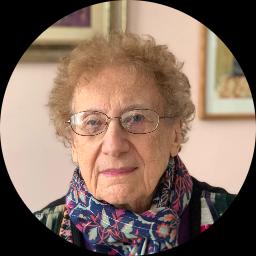
About Barbara
Barbara Clark is a licensed clinical social worker with 20 years of experience. She helps people who are struggling with relationship strain, trauma, intimacy issues, low self-esteem, and depression. She writes in a direct, encouraging way and values each person’s strengths and perspective.
She approaches work with simple, practical steps. Sessions focus on understanding what matters most to the client and finding manageable ways to change day-to-day patterns. She encourages clients to notice their strengths and to use those strengths when facing old wounds or painful relationship patterns.
How Barbara works
Barbara has spent two decades helping people cope after abuse and trauma and to repair closeness when trust has been shaken. She also supports people dealing with chronic pain, panic, and ongoing mood problems by breaking problems into smaller, solvable pieces. Conversations cover how attachment and abandonment concerns show up in relationships and how to rebuild trust and self-worth.
Her style is collaborative and straightforward. She helps clients set clear goals, practice new communication habits, and try different ways of responding to old triggers. Progress is measured in small changes that add up over time.
Sessions take place with an eye toward what’s realistic for daily life. Barbara works with people who want concrete tools for healing and better connection, and she guides them through each step of the process.
What Barbara works with
The areas below are the ones Barbara selected when setting up a profile. The first few are listed as the main focus; the rest are also named.
- Relationship issues
- Trauma and abuse
- Intimacy-related issues
Also listed
- Abandonment
- Attachment issues
- Caregiver issues and stress
- Chronic pain, illness, and disability
- Communication problems
- Control issues
- Depression
- Divorce and separation
- Forgiveness
- Guilt and shame
- Impulsivity
- Isolation / loneliness
- Life purpose
- Mood disorders
- Narcissism
- Panic disorder and panic attacks
- Post-traumatic stress
- Self esteem
- Self-love
- Social anxiety and phobia
- Women's issues
Training and background
| Register | LCSW |
|---|---|
| Years in practice | 20 |
| Languages | English |
| Session format | Online: video, phone, live chat or messaging |
| Country | New York |
Memberships and registers are shown as supplied; they are not licences, and this directory does not verify them.
Online support options
How Barbara Applies Evidence-Based Techniques Online
Barbara uses evidence-based therapeutic techniques that focus on clear, practical change. One approach emphasizes working through trauma and abuse in gradual steps so memories and reactions become less disruptive. This helps when panic attacks, flashbacks, or strong emotional reactions interfere with daily life. Another approach centers on attachment and intimacy work, helping people identify patterns in relationships and try different ways of connecting that build trust and self-worth.Finding the right approach is a collaborative process. The therapist will talk with the client about goals, try methods that fit those goals, and adjust when something isn’t working. Clients are invited to share what feels helpful so the plan can change as needed.
Online sessions are offered as video calls, phone sessions, live chat, or text-based messaging. Video calls are useful for face-to-face conversation and doing skills practice together. Phone sessions can be easier when bandwidth is limited or a shorter check-in is needed. Live chat and text-based messaging work well for brief updates, written reflection, or when someone prefers not to be on camera. These formats make therapy more flexible and easier to fit into a busy life.
Start online instead of waiting
Our partner service asks a few questions about what you are looking for and matches you with a therapist for sessions from home.
Explore online therapy optionsWe will earn a commission if you sign up through our link, at no cost to you.
Common questions
What types of concerns does Barbara address?
What is her therapeutic style like?
How much experience does she have?
Where is she licensed and located?
Which languages are supported for sessions?
What session formats are available?
How does cost and billing work?
How do I get started?
A practical next step
Write down two things you would want to be different in six months. That is the most useful thing to bring to a first session, whoever it is with. If you would rather start now than keep reading, online sessions are the quickest route.
We will earn a commission if you sign up through our link, at no cost to you. Entries are not assessed or endorsed by this directory.
Other entries for relationship
Supportive LCSW helping people build strength and clarity
Practical, trauma-aware therapy for everyday life
Practical, relational therapy for life transitions