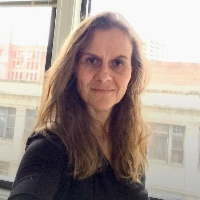
About Dominique
Dominique Decoster helps people facing stress, anxiety, addiction, trauma, and depression. She also supports those dealing with grief, sleep and eating difficulties, parenting strain, anger, self-esteem struggles, and mood swings related to bipolar. Dominique practices in Massachusetts and meets people in English, Spanish, and French.
Dominique uses straightforward, person-focused work in sessions. She listens first and helps people set practical goals. Her approach draws on client-centered methods, cognitive behavioral strategies, mindfulness, motivational interviewing, and skills from dialectical behavior therapy.
How Dominique works
Dominique earned a Master of Social Work from Springfield College. She holds an MA LICSW credential and brings four years of clinical experience to direct therapeutic work. Earlier internships included time in a correctional facility and at a cancer center, which shaped her interest in working with complex problems and diverse needs.
For many years she worked as a social worker with the public defender's office, supporting people facing criminal charges. That role involved coordinating care and offering short-term and ongoing support during stressful legal processes. She also spent three years employed as a clinic therapist earlier in her career.
In sessions Dominique focuses on practical steps people can try between meetings. She combines skills training, problem-solving, and motivational techniques to help people move toward clearer routines, safer choices, and steadier moods.
Dominique lists 7 ways of working on the entry:
What Dominique works with
The areas below are the ones Dominique selected when setting up a profile. The first few are listed as the main focus; the rest are also named.
Also listed
- Anger management
- Attachment issues
- Autism and Asperger Syndrome
- Bipolar disorder
- Cancer
- Codependency
- Communication problems
- Dependent personality
- Depression
- Dissociation
- Domestic violence
- Drug and alcohol addiction
- Eating disorders
- Fatherhood issues
- Gender dysphoria
- Grief
- Hoarding
- Immigration issues
- Intellectual disability
- Isolation / loneliness
- Mood disorders
- Narcissism
- Obsessions, compulsions, and OCD
- Panic disorder and panic attacks
- Paranoia
- Parenting issues
- Personality disorders
- Post-traumatic stress
- Self esteem
- Self-harm
- Sleeping disorders
- Traumatic brain injury
- Women's issues
Training and background
| Register | LICSW |
|---|---|
| Years in practice | 4 |
| Languages | English, Spanish, French |
| Session format | Online: video, phone, live chat or messaging |
| Country | Massachusetts |
Memberships and registers are shown as supplied; they are not licences, and this directory does not verify them.
Online support options
Therapeutic approaches you can use online
Client-centered therapy centers the person in the room and follows what matters most to them. It focuses on listening, empathy, and supporting someone to find their own solutions. Cognitive behavioral therapy, or CBT, looks at links between thoughts, feelings, and actions and uses practical exercises to reduce anxiety, change unhelpful patterns, and improve mood.Finding the right approach is a collaborative process. The therapist will talk with the person about goals, needs, and preferences and then suggest which methods to try. Together they can adjust the plan if a technique does not fit or if priorities change over time.
Online sessions are offered by video calls, phone sessions, live chat, or text-based messaging to make therapy more flexible. Video lets people work face-to-face when visual cues matter. Phone sessions are helpful when bandwidth is limited or when someone prefers not to be on camera. Live chat and text messaging can suit quick check-ins, short coaching moments, or ongoing support between longer sessions. These options help people fit therapy around work, family, and other commitments.
Start online instead of waiting
Our partner service asks a few questions about what you are looking for and matches you with a therapist for sessions from home.
Book with DominiqueWe will earn a commission if you sign up through our link, at no cost to you.
Common questions
What concerns does Dominique focus on?
How would you describe her therapeutic style?
What is her background and experience?
Where is she based and what credentials does she hold?
Which languages are supported in sessions?
What session formats are available?
How is cost handled for sessions?
How do I begin working with this therapist?
A practical next step
Write down two things you would want to be different in six months. That is the most useful thing to bring to a first session, whoever it is with. If you would rather start now than keep reading, online sessions are the quickest route.
We will earn a commission if you sign up through our link, at no cost to you. Entries are not assessed or endorsed by this directory.
Other entries for stress, anxiety
Supportive LCSW helping people build strength and clarity
Practical, trauma-aware therapy for everyday life
Practical, relational therapy for life transitions