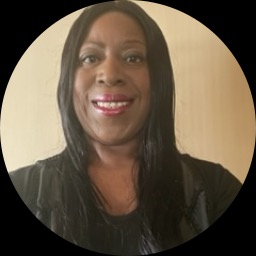
About Phoenix
Phoenix Bey helps people who are feeling overwhelmed by anxiety, stress or major life changes. She works with issues such as trauma, depression, relationship and family concerns, addictions, grief and complications around intimacy. Her approach is warm and straightforward, aimed at helping people feel understood and steady in the moment.
Phoenix practises in line with the British Association for Counselling and Psychotherapy ethical framework. She uses clear, honest conversation and focuses on what each person needs in the room.
How Phoenix works
Sessions are client-led and practical, with attention to grounding and coping strategies for intense feelings. She places particular emphasis on trauma work and supporting people who worry about being judged or labelled. Phoenix encourages self-reflection and personal development while helping people build skills to manage anxiety, sleep difficulties, anger and addictive behaviours.
She also addresses concerns like body image, caregiver stress, long-term health problems and bereavement. Phoenix draws on a range of therapeutic methods to meet different needs. She supports people to notice their patterns, develop new ways of responding and prepare for the changes they want to make.
Her style is patient, resilient and openly transparent in order to build trust. Working with difference is a central part of her practice. Phoenix values each person's unique experience and aims to create a respectful space where people can explore identity, career pressures, parenting challenges and relationship patterns.
She helps clients identify strengths and take practical steps toward their goals.
Phoenix lists 13 ways of working on the entry:
- Acceptance and Commitment Therapy (ACT)
- Attachment-Based Therapy
- Client-Centered Therapy
- Cognitive Behavioral Therapy (CBT)
- Dialectical Behavior Therapy (DBT)
- Emotionally-Focused Therapy (EFT)
- Existential Therapy
- Jungian Therapy
- Mindfulness Therapy
- Psychodynamic Therapy
- Solution-Focused Therapy
- Trauma-Focused Therapy
- Internal Family Systems
What Phoenix works with
The areas below are the ones Phoenix selected when setting up a profile. The first few are listed as the main focus; the rest are also named.
- Stress, Anxiety
- Relationship issues
- Family conflicts
Also listed
- Abandonment
- Addictions
- ADHD
- Aging and geriatric issues
- Anger management
- Antisocial personality
- Attachment issues
- Bipolar disorder
- Blended family issues
- Body image
- Cancer
- Career difficulties
- Caregiver issues and stress
- Chronic pain, illness, and disability
- Communication problems
- Compassion fatigue
- Control issues
- Coping with life changes
- Coping with natural or human-caused disaster
- Depression
- Dissociation
- Divorce and separation
- Domestic violence
- Drug and alcohol addiction
- Eating disorders
- Family problems
- Fertility issues
- First responder issues
- Forgiveness
- Gender dysphoria
- Grief
- Guilt and shame
- Hearing impaired
- HIV / AIDS
- Hoarding
- Hospice and end-of-life counseling
- Immigration issues
- Infidelity
- Intellectual disability
- Intimacy-related issues
- Isolation / loneliness
- Jealousy
- LGBT
- Life purpose
- Midlife crisis
- Multicultural concerns
- Obsessions, compulsions, and OCD
- Panic disorder and panic attacks
- Parenting issues
- Personality disorders
- Phobias
- Post-traumatic stress
- Prejudice and discrimination
- Self esteem
- Self-harm
- Self-love
- Sexual assault and abuse
- Sleeping disorders
- Social anxiety and phobia
- Trauma and abuse
- Traumatic brain injury
- Veteran and Armed Forces Issues
- Women's issues
- Workplace issues
- Young adult issues
Training and background
| Register | BACP |
|---|---|
| Years in practice | 6 |
| Languages | English |
| Session format | Online: video, phone, live chat or messaging |
| Country | United Kingdom |
Memberships and registers are shown as supplied; they are not licences, and this directory does not verify them.
Online support options
How different approaches work online
Acceptance and Commitment Therapy, or ACT, focuses on helping people notice unhelpful thoughts without getting stuck in them, then act towards what matters to them. It is useful for anxiety, depression and coping with life changes. Attachment-Based Therapy looks at how early relationship patterns shape current connections and helps people develop safer ways of relating when trust and closeness are difficult. Client-Centred Therapy puts the person at the heart of the work, with the counsellor offering empathy and non-judgemental listening to support self-exploration and growth.Phoenix treats finding the right approach as a shared process. She will talk with clients about their needs, goals and preferences, then try methods that fit best. If an approach does not feel helpful, she adapts the work and focuses on practical tools the person can use between sessions.
Online therapy offers flexible options that match different days and routines. Video calls give a face-to-face feel for in-depth conversations, phone sessions use less bandwidth and can be easier during a short break, and live chat or text messaging suit quick check-ins or when writing feels more comfortable. These formats make it simpler to fit therapy around work, caregiving or mobility challenges while still working collaboratively with registered or accredited professionals and therapists.
Start online instead of waiting
Our partner service asks a few questions about what you are looking for and matches you with a therapist for sessions from home.
Explore online therapy optionsWe will earn a commission if you sign up through our link, at no cost to you.
Common questions
What kinds of concerns does Phoenix help with?
What is her therapeutic style like in sessions?
How much experience does she have?
What credentials and location apply to her practice?
Can sessions be held in languages other than English?
Which session formats are available?
How are costs and payments handled?
What do I need to do to begin?
A practical next step
Write down two things you would want to be different in six months. That is the most useful thing to bring to a first session, whoever it is with. If you would rather start now than keep reading, online sessions are the quickest route.
We will earn a commission if you sign up through our link, at no cost to you. Entries are not assessed or endorsed by this directory.
Other entries for stress, anxiety
Supportive LCSW helping people build strength and clarity
Practical, trauma-aware therapy for everyday life
Practical, relational therapy for life transitions