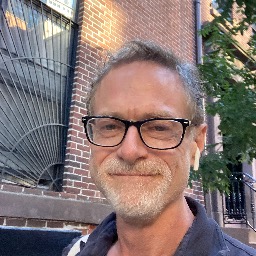
About Graham
Graham Harriman is a licensed professional counselor (LPC) with 14 years of experience in mental health. He blends a person-centered approach with mindful practices and existential ideas. He names spirituality as nonreligious and uses that perspective to look at how people relate to themselves and others.
Graham draws on work in community programs and public health as well as direct therapy. That background includes program management and planning with diverse service providers.
How Graham works
His experience also involved coordinating services related to HIV and community resource allocation. In sessions he focuses on practical skills and self-awareness. He uses mindfulness and mind/body awareness to help people notice patterns and manage stress.
He also addresses relationship and intimacy concerns, sexual health topics, and substance use from a harm-reduction perspective. Graham uses techniques from dialectical behavior therapy to teach emotion regulation and from motivational interviewing to support change. He also applies existential questions to help people find meaning during big life transitions.
Clients may work on sleep, grief, anger, career shifts, ADHD, or mood-related concerns. He has written about community responses to illness and mutual aid, coauthoring a book called The Healing Power of Community: Mutual Aid, AIDS, and Social Transformation in Psychology. Graham works from Oregon and conducts sessions in English.
Graham lists 6 ways of working on the entry:
What Graham works with
The areas below are the ones Graham selected when setting up a profile. The first few are listed as the main focus; the rest are also named.
Also listed
- ADHD
- Aging and geriatric issues
- Anger management
- BDSM, kink, and alternative sex culture
- Bipolar disorder
- Cancer
- Career difficulties
- Coaching
- Communication problems
- Compassion fatigue
- Coping with life changes
- Depression
- Emptiness
- Family conflicts
- Family problems
- Grief
- HIV / AIDS
- Hospice and end-of-life counseling
- Immigration issues
- Isolation / loneliness
- Life purpose
- Men's issues
- Midlife crisis
- Mood disorders
- Multicultural concerns
- Polyamory / non-monogamous relationships
- Process addiction (porn, exercise, gambling)
- Relationship issues
- Self esteem
- Self-love
- Sex addiction
- Sexual dysfunction
- Sexuality
- Sleeping disorders
- Stress, Anxiety
- Trauma and abuse
- Workplace issues
- Young adult issues
Training and background
| Register | LPC |
|---|---|
| Years in practice | 14 |
| Languages | English |
| Session format | Online: video, phone, live chat or messaging |
| Country | Oregon |
Memberships and registers are shown as supplied; they are not licences, and this directory does not verify them.
Online support options
Approaches that guide online sessions
Graham uses client-centered work to make sessions focused on each person's needs. That approach means the therapist listens closely, reflects what he hears, and helps people shape goals that matter to them. Dialectical behavior therapy, or DBT, is used to teach concrete skills for managing intense emotions, improving distress tolerance, and handling conflict more effectively. Existential therapy invites straightforward conversation about meaning, purpose, and choices during major life changes or when people feel stuck.Choosing the right approach is part of the work. Graham collaborates with each person to pick techniques that match their concerns and preferences. Together they review what feels helpful and adjust methods over time so the plan fits the client's goals.
Online formats include video calls, phone sessions, live chat, and text-based messaging, which make it easier to fit therapy into a busy life. Video allows face-to-face conversation and visual cues, while phone sessions can be useful when bandwidth is limited or a quieter connection is needed. Live chat and messaging support shorter check-ins, more frequent contact, and flexible timing between appointments. These options aim to increase access and convenience while keeping the focus on useful therapeutic work.
Start online instead of waiting
Our partner service asks a few questions about what you are looking for and matches you with a therapist for sessions from home.
Book with GrahamWe will earn a commission if you sign up through our link, at no cost to you.
Common questions
What concerns does Graham work with?
How would you describe his therapy style?
What is his professional background?
What credentials and location are listed?
Which languages and international options are available?
What session formats does he offer?
How are costs handled?
How do I begin working with him?
A practical next step
Write down two things you would want to be different in six months. That is the most useful thing to bring to a first session, whoever it is with. If you would rather start now than keep reading, online sessions are the quickest route.
We will earn a commission if you sign up through our link, at no cost to you. Entries are not assessed or endorsed by this directory.
Other entries for addictions
Supportive LCSW helping people build strength and clarity
Practical, relational therapy for life transitions
Practical therapy for stress and relationship strain