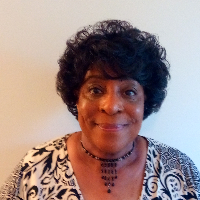
About Jeanette
Jeanette Grissom is a licensed mental health counselor (LMHC) based in Indiana with 40 years of experience. She offers straightforward support for people facing stress, anxiety, depression, addictions, trauma, and other common struggles. Her style focuses on practical steps people can use right away.
She favors approaches that teach skills and change unhelpful patterns, including cognitive behavioral strategies and emotion-focused work. Jeanette also uses acceptance and commitment ideas and therapies aimed at trauma processing when needed.
How Jeanette works
Sessions emphasize clear tools, small goals, and steady progress. Jeanette has long worked with people affected by substance use alongside mental health concerns. She provides individual therapy and group psycho-education formats, and she builds treatment plans around each person’s unique situation.
That means therapy centers on what’s happening in a client’s life now and what they want to change. Her approach is practical and solution-oriented. People leave sessions with specific coping techniques for panic, mood swings, grief, parenting stress, or relationship communication problems.
She pays attention to cultural and life-context factors that shape each person’s experience. Beginning therapy with Jeanette starts by identifying immediate concerns and making small, achievable steps. She supports people who want to reduce harmful patterns, manage strong emotions, rebuild confidence, or adjust after loss.
The focus is on usable skills and measurable progress.
Jeanette lists 8 ways of working on the entry:
What Jeanette works with
The areas below are the ones Jeanette selected when setting up a profile. The first few are listed as the main focus; the rest are also named.
Also listed
- ADHD
- Anger management
- Bipolar disorder
- Caregiver issues and stress
- Codependency
- Communication problems
- Control issues
- Coping with life changes
- Depression
- Drug and alcohol addiction
- Family of origin issues
- Family problems
- Grief
- LGBT
- Mood disorders
- Multicultural concerns
- Panic disorder and panic attacks
- Parenting issues
- Post-traumatic stress
- Postpartum depression
- Prejudice and discrimination
- Process addiction (porn, exercise, gambling)
- Relationship issues
- Seasonal Affective Disorder (SAD)
- Self esteem
- Veteran and Armed Forces Issues
- Women's issues
Training and background
| Register | LMHC |
|---|---|
| Years in practice | 40 |
| Languages | English |
| Session format | Online: video, phone, live chat or messaging |
| Country | Indiana |
Memberships and registers are shown as supplied; they are not licences, and this directory does not verify them.
Online support options
How evidence-based approaches translate to online care
Acceptance and Commitment Therapy (ACT) helps people notice painful thoughts and feelings without getting stuck in them, then commit to actions that reflect their values. It can be useful for anxiety, low mood, and life changes by focusing on what matters most. Cognitive Behavioral Therapy (CBT) breaks problems into thoughts, feelings, and behaviors and then teaches concrete skills to change unhelpful patterns. CBT is often used for anxiety, depression, panic, and mood regulation. Eye Movement Desensitization and Reprocessing (EMDR) is a trauma-focused method that supports processing distressing memories and reducing their emotional hold. It can help with post-traumatic stress and other trauma reactions.Finding the right mix of approaches is part of the process. The therapist will work collaboratively to match methods to a person's goals, needs, and comfort level. Treatment plans can shift as progress is made or new priorities emerge, and the choice of techniques is discussed together.
Online therapy options include video calls, phone sessions, live chat, and text-based messaging. Video sessions allow face-to-face conversation and guided skill practice. Phone sessions use less bandwidth and can fit into a work break or a busy day. Live chat and messaging are useful for short check-ins, coaching on coping skills, or steady support between longer sessions. These formats make it easier to access care from different places and schedules.
Start online instead of waiting
Our partner service asks a few questions about what you are looking for and matches you with a therapist for sessions from home.
Book with JeanetteWe will earn a commission if you sign up through our link, at no cost to you.
Common questions
What concerns does this therapist help address?
What is her therapeutic style like?
How much experience does she have?
What are her credentials and where is she located?
Which languages are supported for sessions?
What session formats are available?
How are sessions paid for and what do they cost?
How do I begin work with this therapist?
A practical next step
Write down two things you would want to be different in six months. That is the most useful thing to bring to a first session, whoever it is with. If you would rather start now than keep reading, online sessions are the quickest route.
We will earn a commission if you sign up through our link, at no cost to you. Entries are not assessed or endorsed by this directory.
Other entries for stress, anxiety
Supportive LCSW helping people build strength and clarity
Practical, trauma-aware therapy for everyday life
Practical, relational therapy for life transitions