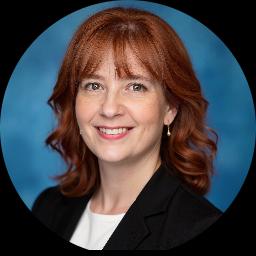
About Jillanne
Jillanne Hecker is a licensed counselor who practices in Florida and brings six years of clinical experience to her work. She holds the credential of Licensed Professional Clinical Counselor and Licensed Mental Health Counselor, and she focuses on helping people who are feeling overwhelmed by stress, anxiety, depression, trauma, or major life changes. Jillanne aims to make sessions straightforward and practical.
She helps people break problems into manageable steps and build skills they can use between meetings.
How Jillanne works
Conversations cover coping strategies, communication habits, self-esteem, and ways to manage mood or addictive behaviors. Her background includes supporting people dealing with grief, relationship struggles, career pressures, compassion fatigue, and attention-related challenges. She also addresses concerns connected to aging, caregiving strain, body image, and the effects of multiple health issues at once.
Jillanne draws on a mix of approaches to match each person's needs. She uses Cognitive Behavioral Therapy to look at thoughts and actions, Dialectical Behavior Therapy to teach emotion regulation and distress tolerance, and Eye Movement Desensitization and Reprocessing for processing traumatic memories when appropriate. Mindfulness and motivational interviewing techniques are also part of her toolbox.
Sessions are offered in English and delivered online through a range of formats. People choose video calls, phone sessions, live chat, or text-based messaging depending on what fits their schedule and communication style. To begin, a short matching questionnaire is completed and an initial session is scheduled.
Jillanne lists 7 ways of working on the entry:
What Jillanne works with
The areas below are the ones Jillanne selected when setting up a profile. The first few are listed as the main focus; the rest are also named.
Also listed
- Addictions
- ADHD
- Aging and geriatric issues
- Bipolar disorder
- Body image
- Career difficulties
- Caregiver issues and stress
- Co-morbidity
- Codependency
- Commitment issues
- Communication problems
- Compassion fatigue
- Coping with life changes
- Coping with natural or human-caused disaster
- Dependent personality
- Depression
- Divorce and separation
- Domestic violence
- Drug and alcohol addiction
- Eating disorders
- Emptiness
- Family conflicts
- Family problems
- Forgiveness
- Guilt and shame
- Isolation / loneliness
- Life purpose
- Midlife crisis
- Money and financial issues
- Mood disorders
- Panic disorder and panic attacks
- Personality disorders
- Phobias
- Post-traumatic stress
- Relationship issues
- Self esteem
- Self-love
- Sexual assault and abuse
- Social anxiety and phobia
- Veteran and Armed Forces Issues
- Workplace issues
Training and background
| Registers | LPCC, LMHC |
|---|---|
| Years in practice | 6 |
| Languages | English |
| Session format | Online: video, phone, live chat or messaging |
| Country | Florida |
Memberships and registers are shown as supplied; they are not licences, and this directory does not verify them.
Online support options
Approaches that translate well to online therapy
Jillanne often uses Cognitive Behavioral Therapy and Dialectical Behavior Therapy in online sessions. Cognitive Behavioral Therapy helps people identify unhelpful thoughts and change behaviors that keep problems going, which is useful for anxiety, depression, and stress. Dialectical Behavior Therapy teaches skills for managing intense emotions, reducing reactivity, and improving interpersonal effectiveness, which can help when strong feelings disrupt daily life.She also integrates Eye Movement Desensitization and Reprocessing when trauma processing is appropriate. EMDR focuses on reducing the emotional charge of traumatic memories by using structured processing techniques alongside guided attention. Together these approaches give options for symptom relief, skill building, and processing difficult experiences, and the therapist will work with each person to determine the best fit based on needs, goals, and preferences.
Online therapy offers flexible ways to connect. Video calls allow face-to-face conversation and visual cues, phone sessions work well when bandwidth or camera use is limited, and live chat or text-based messaging suit shorter check-ins or people who prefer typed communication. These formats make it easier to fit sessions into busy schedules and maintain consistency in care without travel.
Start online instead of waiting
Our partner service asks a few questions about what you are looking for and matches you with a therapist for sessions from home.
Book with JillanneWe will earn a commission if you sign up through our link, at no cost to you.
Common questions
What concerns does this therapist help with?
What is her therapeutic style like?
How much clinical experience does she have?
What credentials and location are listed?
Which languages are supported for sessions?
What session formats are available?
How does the subscription and cost work?
How do I begin working with this therapist?
A practical next step
Write down two things you would want to be different in six months. That is the most useful thing to bring to a first session, whoever it is with. If you would rather start now than keep reading, online sessions are the quickest route.
We will earn a commission if you sign up through our link, at no cost to you. Entries are not assessed or endorsed by this directory.
Other entries for stress, anxiety
Supportive LCSW helping people build strength and clarity
Practical, trauma-aware therapy for everyday life
Practical, relational therapy for life transitions