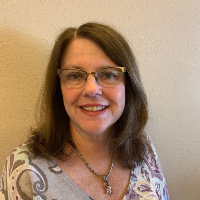
About Katherine
Dr. Katherine Walker helps people manage stress, anxiety, depression, bipolar mood problems, addictions, trauma, and relationship or intimacy concerns. She also supports people dealing with grief, parenting strain, career transitions, ADHD, compassion fatigue, and family-of-origin issues.
Dr. Walker brings a calm, straightforward presence to sessions and focuses on practical steps clients can try between meetings. She spent more than 30 years working at a large health care organization as both a clinician and a manager.
How Katherine works
Her caseload included people with serious mental illness and those coping with life changes like divorce, loss, and job stress. That long experience shaped a clear, down-to-earth style. Dr.
Walker trained at the California School of Professional Psychology after completing undergraduate studies at the University of California, Berkeley. She lists her credential as CA Psychologist 15553 and has 32 years of professional experience. In session she tends to listen closely and help clients identify small, practical changes.
She mixes approaches to match the person in front of her, drawing on attachment ideas, cognitive techniques, and a client-centered stance. She believes progress comes from the client’s efforts, guided by her feedback. People can expect direct conversation, clear goals, and homework that relates to daily life.
Dr. Walker aims to make therapy feel useful and manageable for people juggling work, family, or health challenges.
Katherine lists 5 ways of working on the entry:
What Katherine works with
The areas below are the ones Katherine selected when setting up a profile. The first few are listed as the main focus; the rest are also named.
Also listed
- Abandonment
- ADHD
- Aging and geriatric issues
- Attachment issues
- Avoidant personality
- BDSM, kink, and alternative sex culture
- Bipolar disorder
- Cancer
- Career difficulties
- Co-morbidity
- Codependency
- Communication problems
- Compassion fatigue
- Coping with life changes
- Depression
- Family conflicts
- Family of origin issues
- First responder issues
- Forgiveness
- Grief
- Guilt and shame
- Intimacy-related issues
- LGBT
- Midlife crisis
- Mood disorders
- Parenting issues
- Postpartum depression
- Relationship issues
- Self esteem
- Self-harm
- Self-love
Training and background
| Register | CA Psychologist |
|---|---|
| Years in practice | 32 |
| Languages | English |
| Session format | Online: video, phone, live chat or messaging |
| Country | California |
Memberships and registers are shown as supplied; they are not licences, and this directory does not verify them.
Online support options
How her approaches translate to online care
Attachment-Based Therapy focuses on how early relationships shape current patterns. It helps people understand emotional needs and improve how they connect with others. Cognitive Behavioral Therapy, or CBT, looks at thoughts and behaviors that keep problems going and teaches practical skills to change them. DBT, or Dialectical Behavior Therapy, adds skills for emotional regulation and distress tolerance and can be useful for intense mood swings and impulsive behavior.Choosing the right approach is part of the work together. The therapist will discuss goals, preferences, and the issues you bring. She will suggest methods and adjust them over time so therapy fits the person rather than forcing a single technique.
Online sessions are offered by video calls, phone, live chat, or text-based messaging to make care more flexible. Video sessions support face-to-face conversation and visual cues. Phone sessions use less bandwidth and can fit into a work break. Live chat or text messages are useful for brief check-ins or when writing feels easier than speaking. These options help people fit therapy into busy schedules and different life rhythms.
Start online instead of waiting
Our partner service asks a few questions about what you are looking for and matches you with a therapist for sessions from home.
Book with KatherineWe will earn a commission if you sign up through our link, at no cost to you.
Common questions
What kinds of concerns does she address?
How would you describe her therapy style?
What is her professional background?
What credential does she hold and where is she based?
Which languages are supported?
What session formats are available?
How does cost and billing work?
How do I begin working with her?
A practical next step
Write down two things you would want to be different in six months. That is the most useful thing to bring to a first session, whoever it is with. If you would rather start now than keep reading, online sessions are the quickest route.
We will earn a commission if you sign up through our link, at no cost to you. Entries are not assessed or endorsed by this directory.
Other entries for stress, anxiety
Supportive LCSW helping people build strength and clarity
Practical, trauma-aware therapy for everyday life
Practical, relational therapy for life transitions