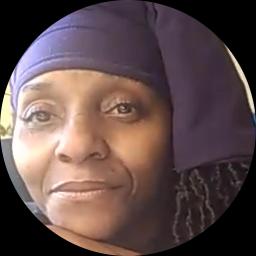
About Makeda
Makeda Kahlein is a Licensed Professional Counselor with nine years of clinical experience. She practices from South Carolina and brings a background in psychology and community counseling to her work. Makeda writes plainly and listens closely to help people facing stress, anxiety, relationship strain, trauma, and depression.
She earned an undergraduate degree in psychology after beginning studies in forensic psychology. Makeda completed a graduate degree in community counseling with a concentration in marriage and family therapy and is pursuing a Doctorate in Counseling Education and Supervision.
How Makeda works
Her training informs practical, people-focused sessions rather than jargon-filled explanations. Makeda’s style centers on understanding each person's story and goals. She uses client-centered conversations to identify what matters most.
Narrative and psychodynamic ideas help uncover patterns, while motivational interviewing can support changes people want to make. Sessions are straightforward and collaborative. Makeda helps clients talk through parenting stress, grief, addiction concerns, career transitions, self-esteem issues, and challenges tied to chronic illness or caregiving.
She also addresses intimacy, sexuality, and identity matters related to LGBT concerns. People who appreciate direct conversation and steady guidance often find her approach useful. She frames therapy as a working partnership and helps people build practical steps for coping and change.
Makeda aims to support resilience and clearer choices as clients move through life changes.
Makeda lists 6 ways of working on the entry:
What Makeda works with
The areas below are the ones Makeda selected when setting up a profile. The first few are listed as the main focus; the rest are also named.
- Stress, Anxiety
- Relationship issues
- Trauma and abuse
Also listed
- Abandonment
- Addictions
- ADHD
- Adoption and foster care
- Aging and geriatric issues
- Anger management
- Bipolar disorder
- Blended family issues
- Body image
- Career difficulties
- Caregiver issues and stress
- Chronic pain, illness, and disability
- Co-morbidity
- Codependency
- Commitment issues
- Communication problems
- Compassion fatigue
- Coping with life changes
- Depression
- Divorce and separation
- Domestic violence
- Emptiness
- Family conflicts
- Family of origin issues
- Family problems
- Fatherhood issues
- Fertility issues
- Forgiveness
- Gender dysphoria
- Grief
- Hospice and end-of-life counseling
- Infidelity
- Intimacy-related issues
- Jealousy
- LGBT
- Midlife crisis
- Parenting issues
- Postpartum depression
- Pregnancy and childbirth
- Prejudice and discrimination
- Self esteem
- Self-harm
- Sexual assault and abuse
- Sexual dysfunction
- Women's issues
- Workplace issues
Training and background
| Register | LPC |
|---|---|
| Years in practice | 9 |
| Languages | English |
| Session format | Online: video, phone, live chat or messaging |
| Country | South Carolina |
Memberships and registers are shown as supplied; they are not licences, and this directory does not verify them.
Online support options
How these approaches translate to online work
Client-Centered Therapy focuses on listening and building understanding. The therapist follows the person's lead, reflects what they say, and helps them identify their own goals; this is useful for stress, relationship concerns, and self-esteem work.Motivational Interviewing is a goal-directed way to talk about change. It helps people weigh options, resolve mixed feelings, and find motivation for action when facing addictions, career shifts, or health behavior changes.
Narrative Therapy looks at the stories people tell about their lives. By separating problems from the person, it makes space for new meanings and different choices, which can help with trauma, family of origin issues, and identity concerns.
Choosing an approach is part of the process. The therapist will work together with the client to decide which methods fit best based on their needs, goals, and preferences. That collaborative process can shift over time as goals change.
Online formats offer practical flexibility. Video calls let people use visual cues and longer conversation times. Phone sessions work well when bandwidth or camera use is limited. Live chat and text messaging are useful for brief check-ins, ongoing encouragement, or when fitting therapy into a busy schedule. These options make it easier to maintain continuity and regular support without large disruptions to daily life.
Start online instead of waiting
Our partner service asks a few questions about what you are looking for and matches you with a therapist for sessions from home.
Book with MakedaWe will earn a commission if you sign up through our link, at no cost to you.
Common questions
What concerns does Makeda commonly help with?
How would you describe her therapeutic style?
What is her professional background?
Where is she licensed and based?
Which languages and international options are available?
What session formats does she offer?
How are sessions billed and what is the cost structure?
How do I begin working with her?
A practical next step
Write down two things you would want to be different in six months. That is the most useful thing to bring to a first session, whoever it is with. If you would rather start now than keep reading, online sessions are the quickest route.
We will earn a commission if you sign up through our link, at no cost to you. Entries are not assessed or endorsed by this directory.
Other entries for stress, anxiety
Supportive LCSW helping people build strength and clarity
Practical, trauma-aware therapy for everyday life
Practical, relational therapy for life transitions