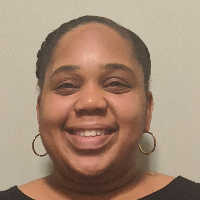
About Mari
Mari Carter helps people facing stress, anxiety, addictions, trauma, grief, and low mood. She also supports those dealing with relationship strain, parenting challenges, anger, self-esteem, and issues related to sexual assault and women's health. Mari uses plain language and direct support to guide people toward better daily coping.
Mari holds a Licensed Professional Counselor credential, LPC, and has five years of experience working with people who face addiction and unresolved trauma.
How Mari works
She focuses on rebuilding a sense of choice and voice after hard experiences. Sessions center on practical skills and steady emotional support rather than jargon. Her sessions are warm and non-judgmental.
Mari listens first, then helps clients set small, doable goals. She teaches coping techniques for panic, mood shifts, and cravings, and works on shame, guilt, and self-love at a manageable pace. Mari blends several approaches to match each person's needs.
She draws on client-centered conversation, cognitive behavioral techniques to change unhelpful thoughts, motivational interviewing to strengthen commitment, and solution-focused steps to move forward. Treatment plans are individualized rather than one-size-fits-all. People who work with Mari can expect clear steps, plain feedback, and a focus on short-term skills alongside longer healing.
Sessions aim to reduce overwhelming moments and increase choices in everyday life. Mari practices in Tennessee and conducts sessions in English.
Mari lists 5 ways of working on the entry:
What Mari works with
The areas below are the ones Mari selected when setting up a profile. The first few are listed as the main focus; the rest are also named.
Also listed
- Anger management
- Co-morbidity
- Depression
- Drug and alcohol addiction
- Family conflicts
- Grief
- Guilt and shame
- LGBT
- Mood disorders
- Panic disorder and panic attacks
- Parenting issues
- Post-traumatic stress
- Relationship issues
- Self esteem
- Self-love
- Sexual assault and abuse
- Women's issues
Training and background
| Register | LPC |
|---|---|
| Years in practice | 5 |
| Languages | English |
| Session format | Online: video, phone, live chat or messaging |
| Country | Tennessee |
Memberships and registers are shown as supplied; they are not licences, and this directory does not verify them.
Online support options
Approaches in online therapy that guide progress
Client-centered work means the conversation focuses on the person's experience and goals, with the therapist following the client's lead and offering empathy and reflection to uncover what matters most. Cognitive Behavioral Therapy, or CBT, looks at how thoughts and behaviors interact and teaches practical exercises to reduce anxiety, panic, and low mood. Dialectical Behavior Therapy, DBT, adds skills for emotion regulation, distress tolerance, and managing intense feelings that can help with anger, mood swings, and self-destructive behaviors.Finding the right mix of approaches is part of the work. The therapist will collaborate with the client to choose methods that fit their needs, goals, and preferences. That collaborative process often begins with simple goal setting and short experiments to see what feels useful.
Online therapy offers flexible ways to meet. Video calls let people work face to face when visual cues help the work. Phone sessions can be easier when bandwidth is limited or when someone prefers not to be on camera. Live chat and text-based messaging make brief check-ins and skill practice possible during a busy week. These options help people fit therapy into real life while using the same therapeutic tools discussed above.
Start online instead of waiting
Our partner service asks a few questions about what you are looking for and matches you with a therapist for sessions from home.
Book with MariWe will earn a commission if you sign up through our link, at no cost to you.
Common questions
What concerns does Mari support?
How would you describe her therapy style?
What experience does she bring?
What are her credentials and location?
Which languages are supported for sessions?
What session formats are available?
How does cost and billing work?
How do I begin working with her?
A practical next step
Write down two things you would want to be different in six months. That is the most useful thing to bring to a first session, whoever it is with. If you would rather start now than keep reading, online sessions are the quickest route.
We will earn a commission if you sign up through our link, at no cost to you. Entries are not assessed or endorsed by this directory.
Other entries for stress, anxiety
Supportive LCSW helping people build strength and clarity
Practical, trauma-aware therapy for everyday life
Practical, relational therapy for life transitions