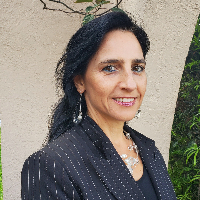
About Maria
Dr. Maria Clapp is a licensed mental health counselor (LMHC) practicing in Florida with 25 years of experience. She greets new clients warmly and focuses on listening first to understand what feels most pressing.
Maria offers care in English and Spanish and accepts clients from other countries. Her approach centers on building a trusting, honest relationship. She uses a client-centered stance that looks at many parts of a person’s life rather than only labels or diagnoses.
How Maria works
Maria draws on cognitive behavioral tools to help change unhelpful thoughts and behaviors and uses solution-focused strategies to set practical, short-term goals. She has long experience supporting people with stress, anxiety, depression, grief, and anger. Her practice also addresses relationship concerns, intimacy-related issues, self-esteem, addictions, and career or life transitions.
Additional focuses include ADHD, autism and Asperger syndrome, caregiver stress, chronic illness, and blended family challenges. Maria has provided psychoeducational programs in parenting and anger management and has worked with people navigating legal-related mental health requirements. She also supports those coping with trauma, domestic violence, and recovery from substance use.
Her training includes a bachelor’s in psychology, a master’s in mental health counseling, and a doctorate in organizational leadership. She frames therapy as a collaborative effort to help clients feel more empowered and in charge of their lives. Sessions aim to leave people with concrete steps they can use between meetings.
Maria lists 5 ways of working on the entry:
What Maria works with
The areas below are the ones Maria selected when setting up a profile. The first few are listed as the main focus; the rest are also named.
- Stress, Anxiety
- Relationship issues
- Anger management
Also listed
- Addictions
- ADHD
- Autism and Asperger Syndrome
- Blended family issues
- Career difficulties
- Caregiver issues and stress
- Chronic pain, illness, and disability
- Coaching
- Codependency
- Commitment issues
- Communication problems
- Compassion fatigue
- Control issues
- Coping with life changes
- Coping with natural or human-caused disaster
- Depression
- Divorce and separation
- Domestic violence
- Drug and alcohol addiction
- Emptiness
- Family conflicts
- Family problems
- Forgiveness
- Grief
- Guilt and shame
- Immigration issues
- Intimacy-related issues
- Isolation / loneliness
- LGBT
- Life purpose
- Midlife crisis
- Money and financial issues
- Mood disorders
- Multicultural concerns
- Parenting issues
- Post-traumatic stress
- Prejudice and discrimination
- Self esteem
- Self-love
- Trauma and abuse
- Veteran and Armed Forces Issues
- Women's issues
- Workplace issues
Training and background
| Register | LMHC |
|---|---|
| Years in practice | 25 |
| Languages | English, Spanish |
| Session format | Online: video, phone, live chat or messaging |
| Country | Florida |
Memberships and registers are shown as supplied; they are not licences, and this directory does not verify them.
Online support options
How therapeutic approaches work online
Maria uses client-centered therapy to focus on what matters most to each person. That approach involves active listening and responding to the client’s concerns so sessions stay focused on their priorities. It helps when someone needs a respectful, validating place to talk about difficult feelings.She also uses cognitive behavioral therapy, often called CBT, which looks at how thoughts, feelings, and actions connect. CBT teaches practical skills to test unhelpful thoughts and change behaviors, and it can be useful for anxiety, depression, stress, and some addiction-related patterns.
Finding the right approach is part of the work. The therapist will collaborate with clients to decide which methods fit their goals and preferences, and may combine approaches as needed. That collaborative process helps tailor sessions to what actually helps the person move forward.
Online therapy offers several practical benefits. Video calls let people use visual cues and have a more conversational session. Phone sessions are useful when bandwidth is limited or a quieter check-in is needed. Live chat and text-based messaging are flexible for shorter check-ins, notes between sessions, or when writing feels easier. These options make it simpler to fit regular sessions into busy schedules and to continue work through life changes.
Start online instead of waiting
Our partner service asks a few questions about what you are looking for and matches you with a therapist for sessions from home.
Book with MariaWe will earn a commission if you sign up through our link, at no cost to you.
Common questions
What kinds of problems can Maria help with?
What is her therapy style like?
How much clinical experience does she have?
What credentials and location information are on file?
Which languages are supported in sessions?
What session formats are available?
How are costs and billing handled?
How do I begin working with her?
A practical next step
Write down two things you would want to be different in six months. That is the most useful thing to bring to a first session, whoever it is with. If you would rather start now than keep reading, online sessions are the quickest route.
We will earn a commission if you sign up through our link, at no cost to you. Entries are not assessed or endorsed by this directory.
Other entries for stress, anxiety
Supportive LCSW helping people build strength and clarity
Practical, trauma-aware therapy for everyday life
Practical, relational therapy for life transitions