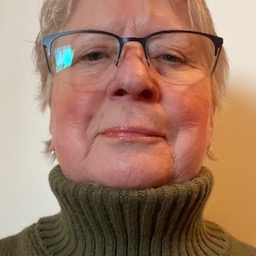
About Mary
Mary Gales-Wenz is a Licensed Independent Clinical Social Worker with 40 years of experience. She offers a calm, practical approach that focuses on what helps each person feel safer and more able to cope. Mary draws on therapies that teach tools and skills people can use between sessions.
Mary spent two decades with the Department of Veterans Affairs in both outpatient and inpatient settings. She later provided care at treatment centers, behavioral health clinics, and in clinical roles for residential and insurance programs.
How Mary works
Since 2009 she has run a small independent practice while continuing clinical work in Minnesota. Her work covers a wide range of concerns including stress, anxiety, addictions, trauma and abuse, grief, depression, sleep problems, anger, self-esteem, and career stress.
She also focuses on chronic pain and illness, codependency, domestic violence, first responder and veteran issues, mood disorders, post-traumatic stress, and sexual assault and abuse. Mary uses client-centered methods alongside cognitive behavioral techniques, dialectical strategies, emotionally-focused work, and mindfulness practices. She aims to help people notice patterns, learn practical coping skills, and manage intense emotions more effectively.
She keeps current with research and therapeutic methods and is particularly interested in the mind-body connection. That interest shapes sessions that make physical symptoms and emotional reactions easier to understand and address. Mary offers sessions in English from Minnesota.
Her background includes hospital, outpatient, residential, and insurance-related behavioral health roles, giving a broad perspective on care and treatment options.
Mary lists 8 ways of working on the entry:
What Mary works with
The areas below are the ones Mary selected when setting up a profile. The first few are listed as the main focus; the rest are also named.
Also listed
- Anger management
- Bipolar disorder
- Career difficulties
- Chronic pain, illness, and disability
- Codependency
- Compassion fatigue
- Coping with life changes
- Coping with natural or human-caused disaster
- Depression
- Domestic violence
- Drug and alcohol addiction
- Family conflicts
- Family of origin issues
- First responder issues
- Grief
- Guilt and shame
- LGBT
- Men's issues
- Mood disorders
- Post-traumatic stress
- Seasonal Affective Disorder (SAD)
- Self esteem
- Self-harm
- Sexual assault and abuse
- Sleeping disorders
- Somatization
- Veteran and Armed Forces Issues
- Women's issues
- Young adult issues
Training and background
| Register | LICSW |
|---|---|
| Years in practice | 40 |
| Languages | English |
| Session format | Online: video, phone, live chat or messaging |
| Country | Minnesota |
Memberships and registers are shown as supplied; they are not licences, and this directory does not verify them.
Online support options
Therapeutic approaches that translate well to online care
Client-Centered Therapy focuses on listening and responding to a person's concerns, helping them feel heard and involved in decisions about care. This approach supports people who want a collaborative, respectful space to work through stress, grief, or relationship-related worries.Cognitive Behavioral Therapy (CBT) teaches practical skills to change unhelpful thoughts and behaviors. It is useful for anxiety, depression, sleep problems, and coping with life changes because sessions include homework and concrete exercises.
Dialectical Behavior Therapy (DBT) offers skills for managing intense emotions, improving distress tolerance, and handling conflict without making things worse. It can help with anger, self-harm urges, mood instability, and high emotional reactivity.
Finding the right approach is part of the work. The therapist will discuss options and together with the client choose methods that match goals, symptoms, and personal preferences. That collaborative process may mix techniques to fit what helps most.
Online therapy here can be scheduled as video calls, phone sessions, live chat, or text-based messaging. Video is helpful for face-to-face conversation and skill demonstrations. Phone sessions can be a faster check-in or an option when bandwidth is low. Live chat and text messaging let people send short updates or work through steady progress between longer sessions. These options give flexibility to fit therapy into busy lives.
Start online instead of waiting
Our partner service asks a few questions about what you are looking for and matches you with a therapist for sessions from home.
Book with MaryWe will earn a commission if you sign up through our link, at no cost to you.
Common questions
What concerns does Mary commonly help with?
What therapeutic style can I expect?
How much clinical experience does this therapist have?
Where is Mary licensed and located?
Which languages are supported in sessions?
What session formats are available?
How are costs and billing handled?
How do I begin working with Mary?
A practical next step
Write down two things you would want to be different in six months. That is the most useful thing to bring to a first session, whoever it is with. If you would rather start now than keep reading, online sessions are the quickest route.
We will earn a commission if you sign up through our link, at no cost to you. Entries are not assessed or endorsed by this directory.
Other entries for stress, anxiety
Supportive LCSW helping people build strength and clarity
Practical, trauma-aware therapy for everyday life
Practical, relational therapy for life transitions