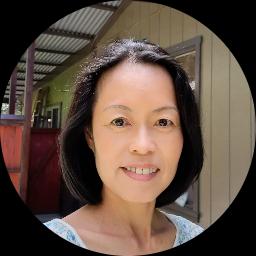
About Mihoko
Mihoko Kusachi is a Licensed Mental Health Counselor with ten years of clinical counseling experience. She trained in Tokyo and the San Francisco Bay Area and has worked in Japan, Australia, and the United States. Mihoko focuses on helping people find purpose, build courage, and make practical changes in daily life.
She creates an open, nonjudgmental space where clients can talk about thoughts and feelings. Mihoko uses a body-mind approach that connects emotional experience with physical sensations.
How Mihoko works
Sessions often include reflection, gentle sensory exercises, and relaxation practices to ease distress. Mihoko blends client-centered listening with practical tools drawn from cognitive-behavioral and mindfulness methods. She helps people notice and challenge unhelpful thoughts, practice new coping strategies, and try small experiments that change daily habits.
She also uses existential ideas to support people facing meaning, purpose, or identity questions. Her background includes a master’s degree in counseling with a concentration on rehabilitation for people with disabilities.
Before becoming a counselor she worked for more than 20 years as a social worker and case manager in clinical settings on the Big Island of Hawaii and in the Bay Area. This range of experience informs her practical, strengths-based style. Mihoko is attentive to cultural context and to the ways identity and life circumstances shape struggle.
She speaks English and Japanese and supports international clients. Her work suits people dealing with anxiety, depression, grief, trauma, relationship or family concerns, ADHD, chronic illness, or life transitions.
Mihoko lists 8 ways of working on the entry:
What Mihoko works with
The areas below are the ones Mihoko selected when setting up a profile. The first few are listed as the main focus; the rest are also named.
- Stress, Anxiety
- Grief
- Anger management
Also listed
- Abandonment
- Addictions
- ADHD
- Aging and geriatric issues
- Attachment issues
- Autism and Asperger Syndrome
- Bipolar disorder
- Career difficulties
- Caregiver issues and stress
- Chronic pain, illness, and disability
- Co-morbidity
- Codependency
- Communication problems
- Compassion fatigue
- Control issues
- Coping with life changes
- Depression
- Divorce and separation
- Eating disorders
- Emptiness
- Family conflicts
- Family of origin issues
- Family problems
- Forgiveness
- Guilt and shame
- Hearing impaired
- Immigration issues
- Intellectual disability
- Isolation / loneliness
- Life purpose
- Midlife crisis
- Money and financial issues
- Mood disorders
- Multicultural concerns
- Obsessions, compulsions, and OCD
- Panic disorder and panic attacks
- Prejudice and discrimination
- Relationship issues
- Self esteem
- Self-love
- Sleeping disorders
- Social anxiety and phobia
- Somatization
- Trauma and abuse
- Visually impaired
- Women's issues
- Workplace issues
Training and background
| Register | LMHC |
|---|---|
| Years in practice | 10 |
| Languages | English, Japanese |
| Session format | Online: video, phone, live chat or messaging |
| Country | Hawaii |
Memberships and registers are shown as supplied; they are not licences, and this directory does not verify them.
Online support options
How Mihoko’s Approaches Translate Online
Client-Centered Therapy focuses on listening and understanding the person’s experience. Online sessions allow Mihoko to offer empathic, nonjudgmental support while people describe what matters most to them. Cognitive Behavioral Therapy (CBT) helps people notice and change unhelpful thoughts and patterns. In an online visit she may guide thought records, introduce behavioral experiments, and coach practical steps to shift daily routines.Finding the right approach is part of the work. Mihoko collaborates with clients to choose methods that match their goals, needs, and preferences. She may combine listening, CBT techniques, mindfulness practices, and short sensory exercises to create a plan that feels doable and relevant to each person.
Online sessions provide flexibility and make it easier to fit therapy into busy lives. Video calls are useful for face-to-face conversation and guided exercises. Phone sessions can be a good option when bandwidth is limited or a camera is not desired. Live chat and text-based messaging work well for quick check-ins, brief coaching, or when someone prefers typed reflection. These formats let clients maintain continuity of care across locations and schedules, while working with a licensed professional from Hawaii.
Start online instead of waiting
Our partner service asks a few questions about what you are looking for and matches you with a therapist for sessions from home.
Book with MihokoWe will earn a commission if you sign up through our link, at no cost to you.
Common questions
What kinds of problems does Mihoko help with?
How would you describe her therapeutic style?
What is her clinical and work background?
What credentials and location are listed for Mihoko?
Which languages are offered for sessions?
What session formats are available?
How are fees and payments handled?
How do I begin working with Mihoko?
A practical next step
Write down two things you would want to be different in six months. That is the most useful thing to bring to a first session, whoever it is with. If you would rather start now than keep reading, online sessions are the quickest route.
We will earn a commission if you sign up through our link, at no cost to you. Entries are not assessed or endorsed by this directory.
Other entries for stress, anxiety
Supportive LCSW helping people build strength and clarity
Practical, trauma-aware therapy for everyday life
Practical, relational therapy for life transitions