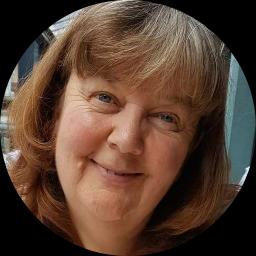
About Mo
Mo Callaghan is a counsellor based in the United Kingdom with five years' experience supporting people through hard times. She focuses on helping people manage stress, anxiety, grief and depression. Mo works with concerns such as self-esteem, addictions, eating and the strain that life changes can bring.
She believes people know their own stories and have strengths to draw on. Sessions aim to build on those strengths and to make small, practical changes that feel doable.
How Mo works
Mo speaks plainly and keeps the work grounded and straightforward. Her background includes work with grief and loss and a wide range of overlapping issues. That experience helps when problems feel tangled, such as when grief sits alongside anxiety or changes in relationships.
Mo pays attention to the things that make everyday life harder - isolation, guilt, shame, anger and uncertainty about purpose. She supports people who are sorting out family difficulties or dealing with attachment and abandonment concerns. Sessions are offered in English and are available by video call, phone, live chat or text-based messaging.
Costs vary with location and therapist availability and use a subscription that can be cancelled at any time. To start, select the Start Therapy button, complete the short matching questionnaire and schedule a time that suits you.
What Mo works with
The areas below are the ones Mo selected when setting up a profile. The first few are listed as the main focus; the rest are also named.
Also listed
- Abandonment
- Addictions
- Aging and geriatric issues
- Attachment issues
- Blended family issues
- Coping with life changes
- Coping with natural or human-caused disaster
- Depression
- Eating and food-related issues
- Eating disorders
- Emptiness
- Family conflicts
- Family problems
- Forgiveness
- Guilt and shame
- Hoarding
- Isolation / loneliness
- Jealousy
- LGBT
- Life purpose
- Midlife crisis
- Obsessions, compulsions, and OCD
- Phobias
- Process addiction (porn, exercise, gambling)
- Relationship issues
- Seasonal Affective Disorder (SAD)
- Self-harm
- Self-love
- Sexual assault and abuse
- Trauma and abuse
- Women's issues
- Workplace issues
- Young adult issues
Training and background
| Register | NCPS |
|---|---|
| Years in practice | 5 |
| Languages | English |
| Session format | Online: video, phone, live chat or messaging |
| Country | United Kingdom |
Memberships and registers are shown as supplied; they are not licences, and this directory does not verify them.
Online support options
Therapeutic approaches and how they work online
Mo uses evidence-based therapeutic techniques that focus on practical change and emotional processing. One approach helps people recognise unhelpful thought patterns and try different ways of responding to them; this is useful for anxiety, low mood and stress. Another approach concentrates on processing grief and loss by creating space to name painful feelings and to find ways to remember and adapt after change; this helps when sadness or bereavement are central concerns.Choosing the right approach is usually a shared decision. The therapist will listen to your priorities, try methods that fit your goals and change course if something is not helpful. Sessions are collaborative and paced to what feels manageable for you.
Online therapy offers practical flexibility. Video calls work well for a full face-to-face style conversation. Phone sessions are useful when bandwidth is limited or when being off-camera feels easier. Live chat and text-based messaging suit shorter check-ins, quick coping strategies or when fitting therapy into a busy day. These options make it easier to keep therapy going around work, family and other commitments.
Start online instead of waiting
Our partner service asks a few questions about what you are looking for and matches you with a therapist for sessions from home.
Book with MoWe will earn a commission if you sign up through our link, at no cost to you.
Common questions
What concerns does Mo help with?
What is her approach in sessions?
How much experience does she have?
What are her credentials and where is she based?
Which languages are available for sessions?
What session formats does she offer?
How much do sessions cost?
How do I begin a course of therapy?
A practical next step
Write down two things you would want to be different in six months. That is the most useful thing to bring to a first session, whoever it is with. If you would rather start now than keep reading, online sessions are the quickest route.
We will earn a commission if you sign up through our link, at no cost to you. Entries are not assessed or endorsed by this directory.
Other entries for stress, anxiety
Supportive LCSW helping people build strength and clarity
Practical, trauma-aware therapy for everyday life
Practical, relational therapy for life transitions