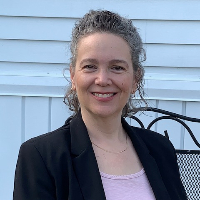
About Nicole
Dr. Nicole Donato is an LPC - a Licensed Professional Counselor based in New Jersey with 11 years of clinical experience. She combines practical talk therapy with attention to how thoughts shape feelings.
Nicole aims to make therapy feel clear and straightforward so people know what to expect. Nicole has worked in inpatient psychiatric settings, offered outpatient therapy, and served as a social worker for a foster family agency. She also teaches at the college level and brings that educator's clarity into sessions.
How Nicole works
Her background gives her experience across a range of concerns and care settings. Her approach is rooted in client-centered therapy, so she starts by building a genuine, empathetic relationship. She also uses cognitive behavioral tools to help people spot the thoughts that fuel worry, low mood, or unhealthy behaviors.
Motivational interviewing helps when people want support making changes and need to find their own reasons to act. Nicole draws from psychodynamic ideas when it helps to look at patterns that began earlier in life. She tailors the mix of methods to what a person needs, whether the focus is anxiety, depression, addictions, grief, body image, or parenting stress.
Sessions are conversational and aimed at usable steps between meetings. She works online using video, phone, live chat, or text messaging. Therapy follows a clear process: a brief matching questionnaire, scheduling, and then collaborative work toward the client's goals.
Nicole lists 4 ways of working on the entry:
What Nicole works with
The areas below are the ones Nicole selected when setting up a profile. The first few are listed as the main focus; the rest are also named.
- Stress, Anxiety
- Addictions
- Eating disorders
Also listed
- Abandonment
- ADHD
- Aging and geriatric issues
- Anger management
- Bipolar disorder
- Body image
- Career difficulties
- Caregiver issues and stress
- Co-morbidity
- Coaching
- Codependency
- Compassion fatigue
- Coping with life changes
- Coping with natural or human-caused disaster
- Depression
- Drug and alcohol addiction
- Eating and food-related issues
- Family conflicts
- Family of origin issues
- Family problems
- Forgiveness
- Grief
- Guilt and shame
- Intimacy-related issues
- Isolation / loneliness
- LGBT
- Life purpose
- Midlife crisis
- Mood disorders
- Panic disorder and panic attacks
- Paranoia
- Parenting issues
- Phobias
- Relationship issues
- Seasonal Affective Disorder (SAD)
- Self esteem
- Self-love
- Sleeping disorders
- Social anxiety and phobia
- Somatization
- Trauma and abuse
- Women's issues
- Workplace issues
- Young adult issues
Training and background
| Register | LPC |
|---|---|
| Years in practice | 11 |
| Languages | English |
| Session format | Online: video, phone, live chat or messaging |
| Country | New Jersey |
Memberships and registers are shown as supplied; they are not licences, and this directory does not verify them.
Online support options
How therapeutic approaches translate to online therapy
Client-centered therapy focuses on building a genuine, empathic relationship and listening closely to each person's experience. In online sessions this means the therapist prioritizes understanding how a person talks about their life and goals before suggesting changes.Cognitive behavioral therapy (CBT) helps people identify the thoughts and beliefs that influence feelings and behaviors. Online CBT sessions often include practical exercises and short between-session tasks to test and change unhelpful thinking patterns, which can help with anxiety, depression, sleep, and eating concerns.
Motivational interviewing is a collaborative way to explore readiness for change and to find personal reasons to act. This approach can be especially useful for addiction, habit change, and situations where someone feels stuck and unsure how to move forward.
Choosing the right approach is part of the work together. The therapist will discuss goals, preferences, and life demands and then recommend a mix of methods. Clients and the therapist make decisions collaboratively and adjust the plan as progress is made.
Online sessions via video, phone, live chat, or text messaging allow flexibility for different needs. Video is useful for a full session when visual cues help. Phone works well when bandwidth is limited or a quieter audio-only check-in is needed. Live chat or text messaging can support quick check-ins, note-taking, or ongoing coaching between sessions. These options make it easier to fit therapy into a busy life and to maintain contact as goals evolve.
Start online instead of waiting
Our partner service asks a few questions about what you are looking for and matches you with a therapist for sessions from home.
Book with NicoleWe will earn a commission if you sign up through our link, at no cost to you.
Common questions
What concerns does Nicole address in therapy?
What is her therapeutic style like?
How much clinical experience does she have?
What credentials and location should I know about?
In what languages are sessions offered?
Which session formats are available?
How does pricing work for sessions?
What is the first step to begin therapy?
A practical next step
Write down two things you would want to be different in six months. That is the most useful thing to bring to a first session, whoever it is with. If you would rather start now than keep reading, online sessions are the quickest route.
We will earn a commission if you sign up through our link, at no cost to you. Entries are not assessed or endorsed by this directory.
Other entries for stress, anxiety
Supportive LCSW helping people build strength and clarity
Practical, trauma-aware therapy for everyday life
Practical, relational therapy for life transitions