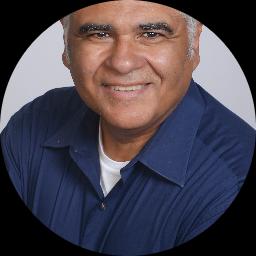
About Orlando
Orlando Bosch is a licensed clinical social worker with 25 years of practice in New York. He has worked as both a clinician and an administrator, and he focuses on helping people improve their emotional health. He speaks English and Spanish and accepts international clients.
Orlando uses practical strategies that match each person's needs. He helps people sharpen motivation, focus, and confidence. He also supports work on mindset, handling performance errors, and building mental toughness.
How Orlando works
Sessions aim to be straightforward and goal oriented. People come to him for relationship and intimacy concerns, parenting stresses, and family issues. He also helps with anxiety, depression, self-esteem, career pressures, and stress.
Additional areas of focus include abandonment, attachment issues, codependency, communication and commitment difficulties, and substance use concerns. His approach draws on familiar, evidence-informed methods. He blends client-centered listening with cognitive behavioral techniques and solution-focused steps.
He also uses motivational interviewing to strengthen commitment and existential ideas to address meaning and purpose when relevant. Orlando describes the therapy space as open and nonjudgmental. He works with people to set clear, achievable goals and adjusts methods based on progress.
Getting started involves a short matching questionnaire and scheduling a session once the Start Therapy button is used. Sessions are available by video calls, phone, live chat, or text-based messaging, and fees vary by location and therapist availability with a subscription that can be canceled at any time.
Orlando lists 7 ways of working on the entry:
What Orlando works with
The areas below are the ones Orlando selected when setting up a profile. The first few are listed as the main focus; the rest are also named.
- Relationship issues
- Family conflicts
- Intimacy-related issues
Also listed
- Abandonment
- Antisocial personality
- Attachment issues
- Avoidant personality
- Blended family issues
- Career difficulties
- Coaching
- Codependency
- Commitment issues
- Communication problems
- Control issues
- Dependent personality
- Depression
- Divorce and separation
- Domestic violence
- Drug and alcohol addiction
- Emptiness
- Family of origin issues
- Family problems
- Fatherhood issues
- Forgiveness
- Guilt and shame
- HIV / AIDS
- Impulsivity
- Infidelity
- Isolation / loneliness
- Jealousy
- Life purpose
- Men's issues
- Money and financial issues
- Multicultural concerns
- Parenting issues
- Personality disorders
- Prejudice and discrimination
- Self esteem
- Self-love
- Sexuality
- Social anxiety and phobia
- Stress, Anxiety
- Workplace issues
- Young adult issues
Training and background
| Register | LCSW |
|---|---|
| Years in practice | 25 |
| Languages | English, Spanish |
| Session format | Online: video, phone, live chat or messaging |
| Country | New York |
Memberships and registers are shown as supplied; they are not licences, and this directory does not verify them.
Online support options
How Orlando's approaches translate to online work
Client-centered therapy focuses on listening closely and shaping sessions around what matters most to the person. In online sessions this means the therapist follows the client's lead and adapts pacing and topics to fit individual needs. Cognitive behavioral therapy, or CBT, looks at thoughts and behaviors and introduces specific tools and practice tasks to reduce anxiety, manage mood, and improve focus. These exercises transfer well to video or phone sessions and can be supported with written follow-ups.Finding the right approach is part of the process. Orlando will work together with the client to decide which methods fit their goals and preferences. He adjusts techniques over time based on what helps the person make progress and feels useful in their day-to-day life.
Online formats include video calls, phone sessions, live chat, and text-based messaging, which make scheduling more flexible. Video calls allow face-to-face conversation and screen-sharing for worksheets, phone sessions use less bandwidth and can fit a break at work, live chat is useful for shorter check-ins, and messaging supports ongoing reflection between sessions. These options help people maintain regular momentum and fit therapy into busy routines.
Start online instead of waiting
Our partner service asks a few questions about what you are looking for and matches you with a therapist for sessions from home.
Book with OrlandoWe will earn a commission if you sign up through our link, at no cost to you.
Common questions
What kinds of problems does he help with?
What is his therapeutic style like?
How much clinical experience does he have?
What credentials and location apply?
In what languages can sessions be held?
Which session formats are available?
How are sessions priced?
What do I do to begin working with him?
A practical next step
Write down two things you would want to be different in six months. That is the most useful thing to bring to a first session, whoever it is with. If you would rather start now than keep reading, online sessions are the quickest route.
We will earn a commission if you sign up through our link, at no cost to you. Entries are not assessed or endorsed by this directory.
Other entries for relationship
Supportive LCSW helping people build strength and clarity
Practical, trauma-aware therapy for everyday life
Practical, relational therapy for life transitions