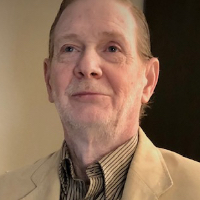
About Patrick
Patrick Shanahan helps people facing relationship strain, grief, anger, low self-esteem, anxiety, depression, and addictive behaviors. He is a licensed clinical social worker with 44 years of practice and a long history of working directly with individuals and couples. He uses straightforward language and practical steps to help people move past getting stuck and find clearer direction.
He believes people are generally self-correcting and that values matter when choosing next steps.
How Patrick works
His work draws on ideas from Jung and Erickson and on many years of experience in diverse settings. He has studied comparative religions and cultures to better understand different value systems and perspectives. Early in his career he created and ran an outpatient clinic attached to a runaway and homeless youth shelter.
For 18 years he provided case management, individual therapy, and family-focused interventions both in the shelter and in the community. He also trained and supervised staff and graduate students and collaborated with a university on research to improve treatment methods.
Later roles included offering Christian-oriented outpatient counseling and nearly two decades working in managed care delivering phone-based therapy and crisis intervention while helping people navigate their benefits. He completed 29 hours toward a Ph.D. in family therapy and was offered a fellowship at Washington University.
In sessions he draws on a mix of approaches such as brief family methods, problem solving, structural and strategic systems ideas, hypnotherapy, cognitive-behavioral techniques, communication work, and addiction-focused care. His style emphasizes practical problem solving, clear goals, and respect for each person’s values.
Patrick lists 13 ways of working on the entry:
- Acceptance and Commitment Therapy (ACT)
- Attachment-Based Therapy
- Client-Centered Therapy
- Cognitive Behavioral Therapy (CBT)
- Emotionally-Focused Therapy (EFT)
- Existential Therapy
- Hypnotherapy
- Jungian Therapy
- Mindfulness Therapy
- Narrative Therapy
- Psychodynamic Therapy
- Solution-Focused Therapy
- Internal Family Systems
What Patrick works with
The areas below are the ones Patrick selected when setting up a profile. The first few are listed as the main focus; the rest are also named.
- Relationship issues
- Grief
- Anger management
Also listed
- Addictions
- Adoption and foster care
- Aging and geriatric issues
- Blended family issues
- Career difficulties
- Caregiver issues and stress
- Coaching
- Codependency
- Communication problems
- Compassion fatigue
- Coping with life changes
- Coping with natural or human-caused disaster
- Depression
- Divorce and separation
- Domestic violence
- Drug and alcohol addiction
- Family conflicts
- Family of origin issues
- Family problems
- Fatherhood issues
- First responder issues
- Forgiveness
- Guilt and shame
- Hospice and end-of-life counseling
- Infidelity
- Intimacy-related issues
- Isolation / loneliness
- Jealousy
- Life purpose
- Men's issues
- Midlife crisis
- Money and financial issues
- Multicultural concerns
- Parenting issues
- Seasonal Affective Disorder (SAD)
- Self esteem
- Self-love
- Stress, Anxiety
- Trauma and abuse
- Veteran and Armed Forces Issues
- Workplace issues
- Young adult issues
Training and background
| Register | LCSW |
|---|---|
| Years in practice | 44 |
| Languages | English |
| Session format | Online: video, phone, live chat or messaging |
| Country | Missouri |
Memberships and registers are shown as supplied; they are not licences, and this directory does not verify them.
Online support options
How therapeutic approaches translate to online care
Acceptance and Commitment Therapy (ACT) focuses on clarifying personal values and taking committed action toward them while learning to notice difficult thoughts and feelings without getting pushed around by them. It can help people facing anxiety, depression, grief, or life transitions. Emotionally-Focused Therapy (EFT) targets patterns of emotional response and connection, helping people understand and shift how they relate to others and to themselves. It is often used for relationship and intimacy concerns. Cognitive Behavioral Therapy (CBT) breaks problems into thoughts, feelings, and behaviors and uses practical exercises to shift unhelpful patterns; it is helpful for anxiety, depression, anger, and coping with stress.Finding the right approach is part of the work. The therapist will talk with each person about goals, preferences, and what feels useful. Together they decide which methods to try and adjust the plan as progress unfolds, keeping the client’s values and schedule central to the process.
Online sessions are offered as video calls, phone sessions, live chat, or text-based messaging. Video allows face-to-face conversation and visual cues, phone sessions can be a simpler option that uses less bandwidth, and chat or messaging can fit quick check-ins or busy schedules. These formats make it easier to attend sessions from different places, keep consistent contact, and try approaches that fit day-to-day life.
Start online instead of waiting
Our partner service asks a few questions about what you are looking for and matches you with a therapist for sessions from home.
Book with PatrickWe will earn a commission if you sign up through our link, at no cost to you.
Common questions
What concerns does Patrick address in therapy?
What is his therapeutic style like?
How long has he practiced?
What credentials and location are listed?
Which languages are sessions offered in?
What session formats are available?
How does pricing work for sessions?
How do I begin working with him?
A practical next step
Write down two things you would want to be different in six months. That is the most useful thing to bring to a first session, whoever it is with. If you would rather start now than keep reading, online sessions are the quickest route.
We will earn a commission if you sign up through our link, at no cost to you. Entries are not assessed or endorsed by this directory.
Other entries for relationship
Supportive LCSW helping people build strength and clarity
Practical, trauma-aware therapy for everyday life
Practical, relational therapy for life transitions