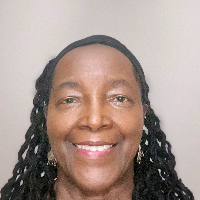
About Phyllis
Phyllis Sanders is a licensed clinical social worker in Georgia with more than 21 years of experience. She combines counseling and life-coaching skills to help people navigate stress, anxiety, depression, grief, and career concerns. Phyllis uses simple, direct conversation to learn what matters to each person and to build practical steps forward.
She centers sessions on collaboration and respect. People can expect a warm, empathic presence and a focus on being heard without judgment.
How Phyllis works
Phyllis draws on client-centered methods to follow each person’s pace and priorities while offering clear tools to cope with daily challenges. Her work often addresses life changes and role-related stress such as caregiver strain, aging and geriatric issues, and workplace pressures. She also supports people dealing with relationship friction, communication problems, divorce or separation, and the emotional aftermath of loss.
Phyllis uses motivational interviewing to help people find their own reasons for change and solution-focused strategies to set short-term, achievable goals. She also brings psychodynamic ideas to conversations about recurring patterns and self-esteem. Together these approaches help with mood concerns, compassion fatigue, and questions about self-love and forgiveness.
Sessions are offered in English and conducted online through video, phone, live chat, or text messaging. Her credentials are LCSW and CSW, and she practices in Georgia. If someone prefers a straightforward, caring approach with practical steps, Phyllis aims to make therapy understandable and usable.
Phyllis lists 4 ways of working on the entry:
What Phyllis works with
The areas below are the ones Phyllis selected when setting up a profile. The first few are listed as the main focus; the rest are also named.
Also listed
Training and background
| Registers | LCSW, CSW |
|---|---|
| Years in practice | 21 |
| Languages | English |
| Session format | Online: video, phone, live chat or messaging |
| Country | Georgia |
Memberships and registers are shown as supplied; they are not licences, and this directory does not verify them.
Online support options
Online approaches that focus on goals and understanding
Client-Centered Therapy puts the person’s experience first. The therapist listens closely, reflects what she hears, and follows the client’s lead to build trust and clarity. This approach is useful for anxiety, low self-esteem, and adjusting to life changes.Motivational Interviewing helps people find personal reasons to change. Through guided questions and support, the therapist helps clients clarify values and take practical steps toward goals. This style can help with career shifts, coping strategies, and building motivation for tough changes.
Phyllis treats finding the right approach as a shared process. She will talk with the client about goals, preferences, and what has worked in the past. Together they decide which methods to try and adjust the plan as progress is made.
Online formats - video calls, phone sessions, live chat, and text messaging - offer flexibility for different routines. Video is useful for deeper conversation and visual connection. Phone sessions can fit a short break in the workday or when bandwidth is limited. Live chat and text messaging work well for quick check-ins, brief coaching, or ongoing support between fuller sessions. These options make it easier to keep therapy consistent around a busy life.
Start online instead of waiting
Our partner service asks a few questions about what you are looking for and matches you with a therapist for sessions from home.
Explore online therapy optionsWe will earn a commission if you sign up through our link, at no cost to you.
Common questions
What concerns does Phyllis help with?
What is her general therapy style?
How much experience does she have?
What credentials and location are listed?
Which languages are available for sessions?
Can people outside the United States work with her?
What session formats are offered?
How are sessions scheduled and paid for?
A practical next step
Write down two things you would want to be different in six months. That is the most useful thing to bring to a first session, whoever it is with. If you would rather start now than keep reading, online sessions are the quickest route.
We will earn a commission if you sign up through our link, at no cost to you. Entries are not assessed or endorsed by this directory.
Other entries for stress, anxiety
Supportive LCSW helping people build strength and clarity
Practical, trauma-aware therapy for everyday life
Practical, relational therapy for life transitions