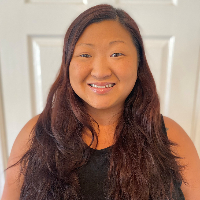
About Rachel
Rachel Giles is a licensed clinical social worker (LCSW) in California with 10 years of experience supporting adults. She offers a calm, accepting presence and focuses on practical steps people can use to feel better and move forward. She has worked with people facing anxiety, depression, stress, career pressures, and changes in life circumstances.
Many clients have also sought help for relationship struggles, grief, trauma and abuse, and issues with intimacy or addiction.
How Rachel works
Rachel draws on this breadth to tailor sessions to each person's needs. Her approach is interactive and down-to-earth. She leans on client-centered listening so people feel heard, and she introduces tools from cognitive behavioral therapy and mindfulness to build coping skills.
Motivational interviewing and psychodynamic ideas may also appear when they help clarify patterns and goals. Sessions are aimed at short-term problem solving and longer-term self-exploration depending on what a person wants. Rachel helps people identify concrete steps, practice new ways of responding, and reflect on past patterns that keep them stuck.
She pays attention to emotions and practical barriers alike. People who want a supportive, nonjudgmental guide may find this style helpful. Rachel emphasizes collaboration, curiosity, and steady progress rather than quick fixes.
She works to create a space where people can be honest, try new strategies, and make lasting change.
Rachel lists 6 ways of working on the entry:
What Rachel works with
The areas below are the ones Rachel selected when setting up a profile. The first few are listed as the main focus; the rest are also named.
- Stress, Anxiety
- Self esteem
- Career difficulties
Also listed
- Addictions
- Coaching
- Commitment issues
- Communication problems
- Compassion fatigue
- Control issues
- Coping with life changes
- Depression
- Emptiness
- Family conflicts
- Family problems
- Forgiveness
- Grief
- Guilt and shame
- Infidelity
- Intimacy-related issues
- Isolation / loneliness
- Jealousy
- Life purpose
- Money and financial issues
- Relationship issues
- Self-love
- Social anxiety and phobia
- Trauma and abuse
- Women's issues
- Workplace issues
Training and background
| Register | LCSW |
|---|---|
| Years in practice | 10 |
| Languages | English |
| Session format | Online: video, phone, live chat or messaging |
| Country | California |
Memberships and registers are shown as supplied; they are not licences, and this directory does not verify them.
Online support options
How Rachel’s approaches translate to online care
Client-Centered Therapy centers the conversation on the person’s needs and goals, with the therapist offering attentive listening and support to help people find their own solutions. This approach is useful for building trust and clarifying what change looks like. Cognitive Behavioral Therapy, or CBT, focuses on identifying unhelpful thoughts and behaviors and practicing small changes that reduce symptoms like anxiety and low mood; it works well for specific problems and skill-building. Mindfulness Therapy teaches simple attention and breathing practices that reduce stress and increase awareness of emotions, which can help with anxiety, grief, and impulsive reactions.Finding the right approach is part of the work together. The therapist will discuss goals, try strategies, and adjust the plan based on what helps most. Clients are invited to give feedback so sessions stay practical and aligned with their needs.
Online therapy offers flexible ways to meet by video calls, phone sessions, live chat, or text-based messaging. Video calls let people read nonverbal cues and practice skills in real time. Phone sessions can be easier when video is not possible or bandwidth is low. Live chat and text messaging allow brief check-ins, written reflections, and flexible communication between scheduled meetings. These options make it easier to fit sessions into workdays, caregiving routines, or travel schedules while keeping therapy consistent.
Start online instead of waiting
Our partner service asks a few questions about what you are looking for and matches you with a therapist for sessions from home.
Explore online therapy optionsWe will earn a commission if you sign up through our link, at no cost to you.
Common questions
What concerns does she help address?
What is her therapeutic style like?
How much experience does she have?
What credentials and location apply?
Which languages are offered and can international clients join?
What session formats are available?
How does pricing work?
How do I begin the process?
A practical next step
Write down two things you would want to be different in six months. That is the most useful thing to bring to a first session, whoever it is with. If you would rather start now than keep reading, online sessions are the quickest route.
We will earn a commission if you sign up through our link, at no cost to you. Entries are not assessed or endorsed by this directory.
Other entries for stress, anxiety
Supportive LCSW helping people build strength and clarity
Practical, trauma-aware therapy for everyday life
Practical, relational therapy for life transitions