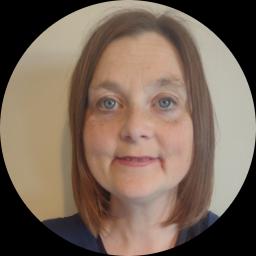
About Rebecca
Rebecca Panter helps people facing stress, anxiety, grief, parenting challenges, low self-esteem and big life changes. She introduces simple ways to cope and build day-to-day resilience. Rebecca uses clear, practical language so conversations feel straightforward and focused.
Rebecca has four years of professional experience and is registered with the British Association for Counselling and Psychotherapy, abbreviated as BACP. She adapts sessions to each person's needs and explains options in everyday terms.
How Rebecca works
This keeps work practical and relevant to what is happening now. Her background includes supporting people through loss, relationship and communication problems, and the strain that comes with long-term illness or caring responsibilities. Rebecca also addresses issues like attachment concerns, body image and confidence.
She is comfortable discussing complex topics such as autism, personality-related difficulties and ageing challenges in a calm way. In sessions Rebecca aims to create a respectful and sensitive space. She listens first, then helps people build simple strategies and plans they can try between meetings.
The focus is on small, achievable steps that gradually change how someone copes. To begin she asks about current problems and what a better outcome would look like. From there she tailors the ongoing approach so it fits each person’s goals and situation.
Rebecca offers sessions in English and accepts international clients.
What Rebecca works with
The areas below are the ones Rebecca selected when setting up a profile. The first few are listed as the main focus; the rest are also named.
- Stress, Anxiety
- Grief
- Parenting issues
Also listed
- Abandonment
- Aging and geriatric issues
- Antisocial personality
- Attachment issues
- Autism and Asperger Syndrome
- Avoidant personality
- Blended family issues
- Body image
- Cancer
- Caregiver issues and stress
- Chronic pain, illness, and disability
- Codependency
- Commitment issues
- Communication problems
- Control issues
- Coping with life changes
- Coping with natural or human-caused disaster
- Dependent personality
- Dissociation
- Divorce and separation
- Domestic violence
- Eating and food-related issues
- Emptiness
- Family of origin issues
- Family problems
- Fertility issues
- First responder issues
- Gender dysphoria
- Guilt and shame
- Hoarding
- Hospice and end-of-life counseling
- Infidelity
- Intellectual disability
- Isolation / loneliness
- Life purpose
- Midlife crisis
- Money and financial issues
- Mood disorders
- Multicultural concerns
- Obsessions, compulsions, and OCD
- Panic disorder and panic attacks
- Personality disorders
- Phobias
- Polyamory / non-monogamous relationships
- Post-traumatic stress
- Postpartum depression
- Pregnancy and childbirth
- Prejudice and discrimination
- Seasonal Affective Disorder (SAD)
- Self esteem
- Self-harm
- Self-love
- Sexual assault and abuse
- Sexuality
- Social anxiety and phobia
- Visually impaired
- Women's issues
- Workplace issues
- Young adult issues
Training and background
| Register | BACP |
|---|---|
| Years in practice | 4 |
| Languages | English |
| Session format | Online: video, phone, live chat or messaging |
| Country | United Kingdom |
Memberships and registers are shown as supplied; they are not licences, and this directory does not verify them.
Online support options
Therapeutic approaches and online options
Rebecca uses evidence-based therapeutic techniques and focuses on approaches that help people manage symptoms and make practical changes. One common approach involves problem-focused work that breaks larger issues into smaller, manageable steps to reduce stress and build confidence. This helps when motivation, routines or day-to-day coping have become difficult. Another approach emphasises talking through feelings about loss and grief while creating ways to remember and adapt; this supports people navigating bereavement and big life transitions.Deciding which method to use is part of the journey and is done together. The therapist discusses goals, preferences and what has or hasn’t worked before, then chooses approaches that match those needs. This collaborative process helps ensure the plan fits the person rather than forcing a single method.
Online sessions are offered via video calls, phone sessions, live chat or text-based messaging to make therapy more flexible. Video allows face-to-face conversation and visual cues, phone can be useful when bandwidth is limited, live chat offers a faster check-in and messaging supports ongoing short reflections between sessions. These options help people fit therapy around work, family life and travel while keeping momentum between meetings.
Start online instead of waiting
Our partner service asks a few questions about what you are looking for and matches you with a therapist for sessions from home.
Book with RebeccaWe will earn a commission if you sign up through our link, at no cost to you.
Common questions
What issues does Rebecca typically help with?
How would you describe her therapeutic style?
What is her professional background?
What credentials and region are listed?
Which languages are supported and can people abroad connect?
What session formats are offered?
How are sessions paid for and what do they cost?
How do I begin if I want to work with her?
A practical next step
Write down two things you would want to be different in six months. That is the most useful thing to bring to a first session, whoever it is with. If you would rather start now than keep reading, online sessions are the quickest route.
We will earn a commission if you sign up through our link, at no cost to you. Entries are not assessed or endorsed by this directory.
Other entries for stress, anxiety
Supportive LCSW helping people build strength and clarity
Practical, trauma-aware therapy for everyday life
Practical, relational therapy for life transitions