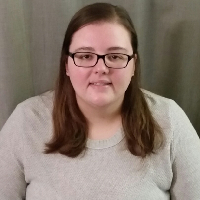
About Reegan
Reegan Koppelman is a Licensed Mental Health Counselor (LMHC) based in Florida with eight years of clinical experience. She combines a person-centered approach with practical strategies so people feel heard and start making changes. Reegan often draws on cognitive behavioral tools and motivational interviewing to help people set small, workable goals.
Her early work included treating both mental health and substance use concerns in a clinic setting. In 2017 she began shifting into online practice to reach more people, including members of the LGBTQIA+ community and women coping with trauma.
How Reegan works
She describes her work as trauma aware and continues ongoing education in trauma-focused care. Reegan helps with stress, anxiety, depression, grief, and coping with life changes. She also supports people dealing with addictions, intimacy-related concerns, relationship strain, parenting questions, and career stress.
Additional focus areas include ADHD, bipolar concerns, family of origin issues, abandonment, adoption and foster care, caregiver stress, blended family issues, and fertility-related distress. In sessions she tends to take time to build rapport and meet people where they are.
That can mean using mindfulness practices to help calm the nervous system, CBT to challenge unhelpful thoughts, or motivational interviewing to clarify what someone wants to change. She is open to neurodivergent-affirming conversations and keeps learning more about that area. Reegan works with people through a mixture of chat, phone, and live sessions.
Her style is practical and down-to-earth, focused on helping people manage everyday struggles and move toward clearer goals.
Reegan lists 5 ways of working on the entry:
What Reegan works with
The areas below are the ones Reegan selected when setting up a profile. The first few are listed as the main focus; the rest are also named.
Also listed
- Abandonment
- Addictions
- ADHD
- Adoption and foster care
- Aging and geriatric issues
- Bipolar disorder
- Blended family issues
- Career difficulties
- Caregiver issues and stress
- Control issues
- Coping with life changes
- Depression
- Dissociation
- Divorce and separation
- Domestic violence
- Emptiness
- Family conflicts
- Family of origin issues
- Family problems
- Fertility issues
- Forgiveness
- Gender dysphoria
- Grief
- Guilt and shame
- Infidelity
- Intimacy-related issues
- Isolation / loneliness
- Life purpose
- Midlife crisis
- Mood disorders
- Multicultural concerns
- Panic disorder and panic attacks
- Paranoia
- Parenting issues
- Polyamory / non-monogamous relationships
- Post-traumatic stress
- Postpartum depression
- Pregnancy and childbirth
- Prejudice and discrimination
- Relationship issues
- Seasonal Affective Disorder (SAD)
- Self esteem
- Self-harm
- Self-love
- Sexual assault and abuse
- Sexuality
- Social anxiety and phobia
- Veteran and Armed Forces Issues
- Women's issues
Training and background
| Register | LMHC |
|---|---|
| Years in practice | 8 |
| Languages | English |
| Session format | Online: video, phone, live chat or messaging |
| Country | Florida |
Memberships and registers are shown as supplied; they are not licences, and this directory does not verify them.
Online support options
How therapeutic approaches adapt to online care
Client-Centered Therapy focuses on listening closely and building a helpful relationship so people feel understood and can explore what matters to them. This approach is useful for building trust and pacing progress. Cognitive Behavioral Therapy, or CBT, breaks down problems into thoughts, feelings, and actions and offers practical exercises to test new ways of thinking and behaving; it often helps with anxiety, depression, and stress.Choosing the right approach is a collaborative process. The therapist will work with each person to try different tools and see what fits their needs, goals, and preferences rather than imposing a single method. Progress is tracked together and the plan is adjusted over time.
Online formats like video calls, phone sessions, live chat, and text-based messaging make it easier to fit therapy into busy lives. Video allows face-to-face conversation and visual cues, phone sessions can be a simpler option with lower bandwidth, chat and messaging support daily check-ins or shorter touchpoints, and a mix of formats can be used to match changing needs. These options increase flexibility for scheduling and for maintaining continuity between sessions.
Start online instead of waiting
Our partner service asks a few questions about what you are looking for and matches you with a therapist for sessions from home.
Book with ReeganWe will earn a commission if you sign up through our link, at no cost to you.
Common questions
What kinds of concerns can be addressed here?
How would you describe the therapy style?
What is her clinical background and experience?
What credentials does this clinician hold and where is she located?
Are sessions available in other languages or internationally?
Which session formats are offered?
How are costs and billing handled?
What steps are involved in getting started?
A practical next step
Write down two things you would want to be different in six months. That is the most useful thing to bring to a first session, whoever it is with. If you would rather start now than keep reading, online sessions are the quickest route.
We will earn a commission if you sign up through our link, at no cost to you. Entries are not assessed or endorsed by this directory.
Other entries for stress, anxiety
Supportive LCSW helping people build strength and clarity
Practical, trauma-aware therapy for everyday life
Practical, relational therapy for life transitions