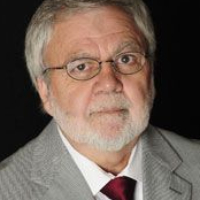
About Robert
Dr. Robert Mapes is a Licensed Professional Counselor (LPC) with 25 years of experience helping adults manage stress, anxiety, depression, relationship worry, grief, and self-esteem concerns. He works from Texas and communicates in English.
He welcomes international clients for remote sessions. He treats each person as an individual rather than using a one-size-fits-all plan. Sessions focus on understanding what matters to the client and setting clear, personal goals.
The work is practical and direct - talking through what is holding someone back and identifying small steps toward change.
How Robert works
Dr. Mapes draws on a range of approaches to fit the person in front of him. He uses Acceptance and Commitment Therapy to help people clarify values and take committed action.
Cognitive Behavioral Therapy is used to spot unhelpful thinking and try new behaviors. Client-Centered methods create a respectful, person-focused space for exploring concerns. Over a long career he has supported people facing life transitions such as divorce and aging, and those dealing with guilt, isolation, or questions of life purpose.
He also works with concerns tied to first responder work, fatherhood, hospice and end-of-life issues, and family of origin patterns. Sessions are offered by video call, phone, live chat, or text-based messaging. Dr.
Mapes emphasizes collaboration - clients set the pace and goals while he guides and offers tools. If someone wants steady, pragmatic support to move in a new direction, he helps them design the steps to get there.
Robert lists 11 ways of working on the entry:
- Acceptance and Commitment Therapy (ACT)
- Client-Centered Therapy
- Cognitive Behavioral Therapy (CBT)
- Dialectical Behavior Therapy (DBT)
- Existential Therapy
- Eye Movement Desensitization and Reprocessing (EMDR)
- Gottman Method
- Motivational Interviewing
- Narrative Therapy
- Psychodynamic Therapy
- Solution-Focused Therapy
What Robert works with
The areas below are the ones Robert selected when setting up a profile. The first few are listed as the main focus; the rest are also named.
- Stress, Anxiety
- Relationship issues
- Grief
Also listed
- Aging and geriatric issues
- Communication problems
- Control issues
- Depression
- Divorce and separation
- Emptiness
- Family of origin issues
- Fatherhood issues
- First responder issues
- Forgiveness
- Guilt and shame
- Hospice and end-of-life counseling
- Impulsivity
- Isolation / loneliness
- Jealousy
- Life purpose
- Men's issues
- Midlife crisis
- Money and financial issues
- Panic disorder and panic attacks
- Phobias
- Post-traumatic stress
- Seasonal Affective Disorder (SAD)
- Self esteem
- Social anxiety and phobia
- Veteran and Armed Forces Issues
- Workplace issues
Training and background
| Register | LPC |
|---|---|
| Years in practice | 25 |
| Languages | English |
| Session format | Online: video, phone, live chat or messaging |
| Country | Texas |
Memberships and registers are shown as supplied; they are not licences, and this directory does not verify them.
Online support options
Online approaches that match your needs
Acceptance and Commitment Therapy helps people name what matters to them and take steps toward those values even when stress or worry is present. It focuses on actions that build a meaningful life rather than only reducing symptoms. Cognitive Behavioral Therapy looks at the links between thoughts, feelings, and behavior and teaches practical exercises to test unhelpful thinking and try new responses. Client-Centered Therapy provides a respectful, nonjudgmental space where the client's own goals guide the work and the therapist follows the client's lead.Finding the right approach is part of the process. Dr. Mapes will work collaboratively to pick or combine methods that fit a person's goals, comfort level, and situation. That collaboration means adjusting techniques over time based on what is helpful and what the client prefers.
Online therapy offers flexibility for busy schedules and different needs. Video calls let people maintain face-to-face contact and read nonverbal cues. Phone sessions can be easier when bandwidth is limited or a shorter check-in is needed. Live chat or text-based messaging allows for brief updates, coaching between sessions, or those who prefer typing to talking. These options make it easier to keep consistent momentum toward change without rearranging an entire day.
Start online instead of waiting
Our partner service asks a few questions about what you are looking for and matches you with a therapist for sessions from home.
Book with RobertWe will earn a commission if you sign up through our link, at no cost to you.
Common questions
What kinds of problems does he address?
What is his therapy style like?
How much clinical experience does he have?
Where is he licensed and located?
Which languages and international clients are supported?
What session formats are available?
How is cost handled?
How do I get started with therapy?
A practical next step
Write down two things you would want to be different in six months. That is the most useful thing to bring to a first session, whoever it is with. If you would rather start now than keep reading, online sessions are the quickest route.
We will earn a commission if you sign up through our link, at no cost to you. Entries are not assessed or endorsed by this directory.
Other entries for stress, anxiety
Supportive LCSW helping people build strength and clarity
Practical, trauma-aware therapy for everyday life
Practical, relational therapy for life transitions