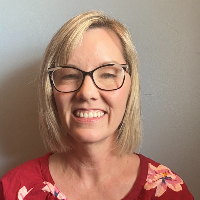
About Sabrina
Sabrina Howell uses a client-centered approach that puts each person’s goals first. She is a Licensed Clinical Mental Health Counselor, LCMHC, with two decades of experience helping people navigate stress, anxiety, and major life changes. Sabrina writes simply and listens closely to what matters to each person.
She blends cognitive behavioral techniques with mindfulness and trauma-focused ideas to address symptoms like panic, low mood, and feeling stuck. Sessions look at how thoughts, behaviors, and bodily reactions interact.
How Sabrina works
The work often includes practical coping steps and short exercises to try between meetings. Sabrina has focused experience with relationship strain, parenting concerns, grief, trauma and abuse, and mood conditions such as bipolar disorder. She also supports people dealing with ADHD, self-esteem struggles, body image issues, and problems tied to adoption or attachment.
Her background includes 20 years in counseling practice in North Carolina. People can expect a collaborative tone where the client sets goals and Sabrina offers guidance, tools, and observations. She explains options and will recommend other professionals if that better serves a person's needs.
Messaging responses typically occur once per day, Monday through Saturday, usually after 5:00 p.m. Eastern Standard Time. Sessions are offered in English and Sabrina accepts international clients.
Therapy can be scheduled to match a person’s life and priorities, and the choice to begin or stop counseling is always the client's decision.
Sabrina lists 4 ways of working on the entry:
What Sabrina works with
The areas below are the ones Sabrina selected when setting up a profile. The first few are listed as the main focus; the rest are also named.
- Stress, Anxiety
- Relationship issues
- Family conflicts
Also listed
- Abandonment
- ADHD
- Adoption and foster care
- Attachment issues
- Bipolar disorder
- Body image
- Coping with life changes
- Depression
- Disruptive Mood Dysregulation Disorder (DMDD)
- Emptiness
- Grief
- Impulsivity
- Intellectual disability
- Mood disorders
- Parenting issues
- Personality disorders
- Self esteem
- Self-harm
- Trauma and abuse
- Veteran and Armed Forces Issues
- Young adult issues
Training and background
| Register | LCMHC |
|---|---|
| Years in practice | 20 |
| Languages | English |
| Session format | Online: video, phone, live chat or messaging |
| Country | North Carolina |
Memberships and registers are shown as supplied; they are not licences, and this directory does not verify them.
Online support options
Approaches that fit online therapy
Client-centered therapy emphasizes listening and collaboration. The therapist follows the person’s lead, helps set goals, and focuses on what matters most to them. This approach works well for exploring relationships, parenting strain, and identity concerns.Cognitive behavioral therapy, or CBT, looks at how thoughts and actions affect mood. It uses simple exercises and behavioral experiments to reduce anxiety and depressive symptoms. CBT is often paired with mindfulness to teach practical tools for everyday life.
Finding the right approach is part of the work together. The therapist will discuss options, try techniques, and adjust based on your goals and preferences. This collaborative process helps identify what methods fit best for stress, trauma, or mood concerns.
Online therapy offers flexibility through video calls, phone sessions, live chat, and text-based messaging. Video lets you have face-to-face conversation from wherever you are. Phone sessions use less bandwidth and can be easier to fit into a work break. Live chat or text messaging works for brief check-ins, written reflection, or ongoing support between sessions. These formats make it easier to keep therapy consistent around a busy life.
Start online instead of waiting
Our partner service asks a few questions about what you are looking for and matches you with a therapist for sessions from home.
Book with SabrinaWe will earn a commission if you sign up through our link, at no cost to you.
Common questions
What concerns does she help with?
What is her therapy style like?
How much experience does she have?
What are her credentials and location?
Which languages and international options are available?
What session formats does she use?
How does cost and payment work?
What do I do to get started?
A practical next step
Write down two things you would want to be different in six months. That is the most useful thing to bring to a first session, whoever it is with. If you would rather start now than keep reading, online sessions are the quickest route.
We will earn a commission if you sign up through our link, at no cost to you. Entries are not assessed or endorsed by this directory.
Other entries for stress, anxiety
Supportive LCSW helping people build strength and clarity
Practical, trauma-aware therapy for everyday life
Practical, relational therapy for life transitions