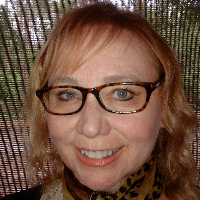
About Sandra
Sandra Treston helps people who are dealing with stress, anxiety, addictions, trauma, low self-esteem, depression, relationship struggles, grief, and intimacy concerns. She also supports people facing anger, bipolar symptoms, big life changes, and compassion fatigue. Sandra is a licensed mental health counselor, LMHC, with 15 years of experience in varied clinical settings.
Sandra takes a straightforward, compassionate approach in sessions. She listens without judgment and focuses on the person in front of her.
How Sandra works
Her style is strengths-based and practical. She works with clients to build skills and clear steps they can use between sessions. Her work draws on several therapeutic methods, including acceptance and commitment approaches and cognitive behavioral techniques.
She also uses client-centered and emotionally focused ideas to help people process feelings and improve relationships. Dialectical skills and trauma-focused tools are available when the situation calls for them. Sandra aims to help people reconnect with the strengths they already have.
She guides clients to set realistic goals and make small, steady changes. Sessions often include concrete exercises, communication practice, and problem-solving tailored to each person's situation. People who choose Sandra typically want practical tools and steady support while they navigate difficult emotions and life transitions.
She offers a calm, encouraging presence and a clear plan for moving forward. Sandra practices in Florida and conducts therapy in English.
Sandra lists 12 ways of working on the entry:
- Acceptance and Commitment Therapy (ACT)
- Client-Centered Therapy
- Cognitive Behavioral Therapy (CBT)
- Dialectical Behavior Therapy (DBT)
- Emotionally-Focused Therapy (EFT)
- Eye Movement Desensitization and Reprocessing (EMDR)
- Mindfulness Therapy
- Motivational Interviewing
- Psychodynamic Therapy
- Solution-Focused Therapy
- Trauma-Focused Therapy
- Internal Family Systems
What Sandra works with
The areas below are the ones Sandra selected when setting up a profile. The first few are listed as the main focus; the rest are also named.
Also listed
- Anger management
- Bipolar disorder
- Body image
- Codependency
- Commitment issues
- Communication problems
- Compassion fatigue
- Coping with life changes
- Depression
- Drug and alcohol addiction
- Emptiness
- Family problems
- Forgiveness
- Grief
- Guilt and shame
- Infidelity
- Intimacy-related issues
- Isolation / loneliness
- Life purpose
- Mood disorders
- Narcissism
- Personality disorders
- Postpartum depression
- Relationship issues
- Seasonal Affective Disorder (SAD)
- Self esteem
- Self-love
- Sexual assault and abuse
- Social anxiety and phobia
Training and background
| Register | LMHC |
|---|---|
| Years in practice | 15 |
| Languages | English |
| Session format | Online: video, phone, live chat or messaging |
| Country | Florida |
Memberships and registers are shown as supplied; they are not licences, and this directory does not verify them.
Online support options
Therapeutic approaches and what online work looks like
Acceptance and Commitment Therapy, or ACT, focuses on helping people clarify what matters to them and take small actions toward those values while learning to live with difficult thoughts. It can be useful for stress, anxiety, and living through major life changes. Cognitive Behavioral Therapy, or CBT, looks at the links between thoughts, feelings, and behaviors and uses practical exercises to shift unhelpful patterns; it often helps with anxiety, depression, and coping skills. Emotionally-Focused Therapy centers on understanding emotional responses and improving how people connect and communicate in close relationships.Finding the right approach is a collaborative process. The therapist will talk with each person about goals, symptoms, and preferences and then suggest starting points. Over time the plan can change based on what helps most, combining different techniques when needed.
Online sessions are offered by video, phone, live chat, or text-based messaging to provide flexibility. Video calls support face-to-face conversation and visual cues. Phone sessions can be a good option when bandwidth is limited or a simpler check-in is preferred. Live chat and text messaging work well for shorter check-ins, written reflections, or people who find typing easier than speaking. These formats help fit therapy into busy schedules and make it easier to keep regular contact with a licensed professional.
Start online instead of waiting
Our partner service asks a few questions about what you are looking for and matches you with a therapist for sessions from home.
Book with SandraWe will earn a commission if you sign up through our link, at no cost to you.
Common questions
What concerns does Sandra commonly address?
How would you describe her therapy style?
What background and experience does she have?
Where is Sandra licensed and based?
Which languages are offered for sessions?
What session formats are available online?
How are sessions priced?
How do I begin working with Sandra?
A practical next step
Write down two things you would want to be different in six months. That is the most useful thing to bring to a first session, whoever it is with. If you would rather start now than keep reading, online sessions are the quickest route.
We will earn a commission if you sign up through our link, at no cost to you. Entries are not assessed or endorsed by this directory.
Other entries for stress, anxiety
Supportive LCSW helping people build strength and clarity
Practical, trauma-aware therapy for everyday life
Practical, relational therapy for life transitions