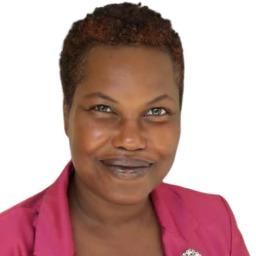
About Sharon
Sharon Anderson works with people who feel overwhelmed by stress, anxiety, grief or life changes. She supports those wrestling with relationship strain, low self-esteem, addiction, parenting challenges and mood concerns including bipolar. Sharon offers a steady, compassionate presence for people facing trauma, attachment wounds, or the particular strains of migration and cultural transition.
She trained and practised across the UK, Jamaica and the Caribbean and holds a Master of Science degree.
How Sharon works
Sharon is a member of the British Association for Counselling and Psychotherapy (BACP) and brings 24 years of experience from clinical, university, school, church and community settings. That background informs her awareness of multicultural and cross-cultural issues. Her manner is warm, interactive and accepting.
Sessions move at the client’s pace and focus on practical ways to cope and recover. Sharon uses person-centred listening alongside structured tools when helpful, so conversations are both gentle and focused. Therapy with Sharon may draw on attachment-based ideas to rebuild trust and closeness, cognitive approaches to change unhelpful thoughts, and skills from dialectical practice to manage strong emotions.
She also integrates relationship methods and narrative work to make sense of life events and choices. Creative options are available on request, including therapeutic play techniques for people who find non-verbal approaches helpful. Sharon tailors each plan to the individual and adapts methods to fit personal needs and goals.
She encourages anyone taking the first step to acknowledge that reaching out takes courage. Sharon aims to walk alongside clients as they work towards clearer thinking and steadier coping.
Sharon lists 9 ways of working on the entry:
What Sharon works with
The areas below are the ones Sharon selected when setting up a profile. The first few are listed as the main focus; the rest are also named.
- Stress, Anxiety
- Relationship issues
- Grief
Also listed
- Abandonment
- Addictions
- ADHD
- Anger management
- Attachment issues
- Autism and Asperger Syndrome
- Avoidant personality
- Bipolar disorder
- Career difficulties
- Caregiver issues and stress
- Coaching
- Communication problems
- Compassion fatigue
- Coping with life changes
- Depression
- Divorce and separation
- Eating disorders
- Emptiness
- Family conflicts
- Family problems
- Forgiveness
- Guilt and shame
- Immigration issues
- Impulsivity
- Infidelity
- Intimacy-related issues
- Isolation / loneliness
- Life purpose
- Midlife crisis
- Mood disorders
- Multicultural concerns
- Narcissism
- Panic disorder and panic attacks
- Parenting issues
- Post-traumatic stress
- Postpartum depression
- Pregnancy and childbirth
- Self esteem
- Self-love
- Social anxiety and phobia
- Trauma and abuse
- Women's issues
- Workplace issues
Training and background
| Register | BACP |
|---|---|
| Years in practice | 24 |
| Languages | English |
| Session format | Online: video, phone, live chat or messaging |
| Country | United Kingdom |
Memberships and registers are shown as supplied; they are not licences, and this directory does not verify them.
Online support options
How Sharon's approaches work online
Sharon often draws on attachment-based ideas, which focus on rebuilding a sense of safety and connection in relationships and can help with intimacy and trust issues. She also uses client-centred methods that prioritise listening and the individual's perspective so people can set the pace and direction of their work. Cognitive Behavioural Therapy or CBT is used to spot unhelpful thinking patterns and try practical alternatives to reduce anxiety and low mood.Choosing the right approach is part of the work. Sharon will discuss goals and preferences with each person and agree together which methods to use. That collaborative planning means sessions can change over time as needs shift and progress is made.
Online formats include video calls, phone sessions, live chat and text-based messaging. Video is useful for in-depth conversations and visual cues, phone sessions work well when video is difficult or bandwidth is limited, live chat suits shorter check-ins and text messaging supports ongoing reflection between meetings. These options offer flexibility for different schedules and quieter surroundings, and make it easier to keep therapy consistent when life is busy.
Start online instead of waiting
Our partner service asks a few questions about what you are looking for and matches you with a therapist for sessions from home.
Book with SharonWe will earn a commission if you sign up through our link, at no cost to you.
Common questions
What concerns does Sharon help with?
What is Sharon's therapeutic style?
How long has she been practising?
Which professional credential does she hold?
Which languages and regions are supported?
What session formats are available?
How are sessions priced?
How do I begin if I want to work with Sharon?
A practical next step
Write down two things you would want to be different in six months. That is the most useful thing to bring to a first session, whoever it is with. If you would rather start now than keep reading, online sessions are the quickest route.
We will earn a commission if you sign up through our link, at no cost to you. Entries are not assessed or endorsed by this directory.
Other entries for stress, anxiety
Supportive LCSW helping people build strength and clarity
Practical, trauma-aware therapy for everyday life
Practical, relational therapy for life transitions