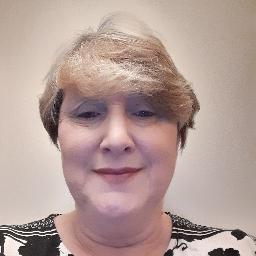
About Sheila
Sheila Wassell is a humanistic counsellor with 18 years of experience helping people untangle difficult feelings. She works in the United Kingdom and is a member of the British Association for Counselling and Psychotherapy, BACP. Sheila uses a creative, person-focused style so people can talk about what matters to them.
She offers empathic support so clients can explore thoughts and feelings within a trusting relationship. Sessions aim to help people feel more empowered and regain a sense of control over everyday life.
How Sheila works
Sheila encourages practical steps that build independence and reduce overwhelm. Her approach is eclectic and adaptable. She draws on attachment ideas to look at how relationships shape feeling, and on cognitive tools to address unhelpful thinking patterns.
Mindfulness and emotionally focused techniques are also used to support emotional regulation and deeper connection to experience. Sheila often works with stress, anxiety, trauma and abuse, depression, grief and coping with life changes. She also supports people facing ADHD, addictions, eating and sleeping difficulties, low self-esteem, career concerns and compassion fatigue.
Additional focus areas include attachment issues, chronic illness and body image concerns. Sessions may use creative methods alongside talking, depending on what helps the person express themselves. The aim is to find simple, realistic ways to manage problems so daily life becomes easier.
Sheila follows the BACP ethical framework in her work and adapts to each person's needs.
Sheila lists 9 ways of working on the entry:
What Sheila works with
The areas below are the ones Sheila selected when setting up a profile. The first few are listed as the main focus; the rest are also named.
Also listed
- Abandonment
- Addictions
- ADHD
- Aging and geriatric issues
- Anger management
- Attachment issues
- Autism and Asperger Syndrome
- Bipolar disorder
- Body image
- Cancer
- Career difficulties
- Chronic pain, illness, and disability
- Coaching
- Codependency
- Commitment issues
- Communication problems
- Compassion fatigue
- Control issues
- Coping with life changes
- Coping with natural or human-caused disaster
- Dependent personality
- Disruptive Mood Dysregulation Disorder (DMDD)
- Dissociation
- Divorce and separation
- Domestic violence
- Drug and alcohol addiction
- Eating and food-related issues
- Eating disorders
- Emptiness
- Family conflicts
- Family of origin issues
- Family problems
- First responder issues
- Forgiveness
- Grief
- Guilt and shame
- Hoarding
- Hospice and end-of-life counseling
- Infidelity
- Intellectual disability
- Intimacy-related issues
- Isolation / loneliness
- LGBT
- Life purpose
- Men's issues
- Money and financial issues
- Mood disorders
- Multicultural concerns
- Obsessions, compulsions, and OCD
- Panic disorder and panic attacks
- Parenting issues
- Personality disorders
- Phobias
- Post-traumatic stress
- Postpartum depression
- Pregnancy and childbirth
- Relationship issues
- Self esteem
- Self-harm
- Self-love
- Sexual assault and abuse
- Sexuality
- Sleeping disorders
- Veteran and Armed Forces Issues
- Women's issues
- Workplace issues
- Young adult issues
Training and background
| Register | BACP |
|---|---|
| Years in practice | 18 |
| Languages | English |
| Session format | Online: video, phone, live chat or messaging |
| Country | United Kingdom |
Memberships and registers are shown as supplied; they are not licences, and this directory does not verify them.
Online support options
Approaches that guide online work
Sheila draws on attachment-based ideas to understand how early and close relationships shape current feelings and reactions; this helps when people are looking at patterns in close relationships or struggles with trust. She also uses cognitive behavioural therapy, which focuses on spotting and changing unhelpful thoughts and behaviours to reduce anxiety and low mood. Mindfulness techniques are used alongside these approaches to help people notice feelings without getting overwhelmed and to build steadier daily routines.Choosing the right approach is a collaborative process. Sheila will talk with each person about their goals and preferences, and then suggest ways of working that fit. Together they check what helps and adjust the plan as work proceeds so the therapy stays practical and relevant.
Online formats include video calls, phone sessions, live chat and text-based messaging. Video is useful for longer sessions and face-to-face conversation, phone calls work well when bandwidth is limited, live chat can suit shorter check-ins, and messaging lets people share thoughts between sessions. These options make it easier to fit therapy into busy lives and to keep contact when travel or schedules would otherwise be a barrier.
Start online instead of waiting
Our partner service asks a few questions about what you are looking for and matches you with a therapist for sessions from home.
Explore online therapy optionsWe will earn a commission if you sign up through our link, at no cost to you.
Common questions
What kinds of problems does Sheila help with?
What is her therapy style like?
How long has she been practising?
Where is she based and what credentials does she hold?
Which languages are sessions offered in?
What session formats are available?
How are sessions paid for?
How do I begin working with Sheila?
A practical next step
Write down two things you would want to be different in six months. That is the most useful thing to bring to a first session, whoever it is with. If you would rather start now than keep reading, online sessions are the quickest route.
We will earn a commission if you sign up through our link, at no cost to you. Entries are not assessed or endorsed by this directory.
Other entries for stress, anxiety
Supportive LCSW helping people build strength and clarity
Practical, trauma-aware therapy for everyday life
Practical, relational therapy for life transitions